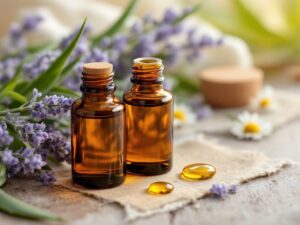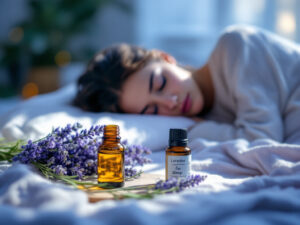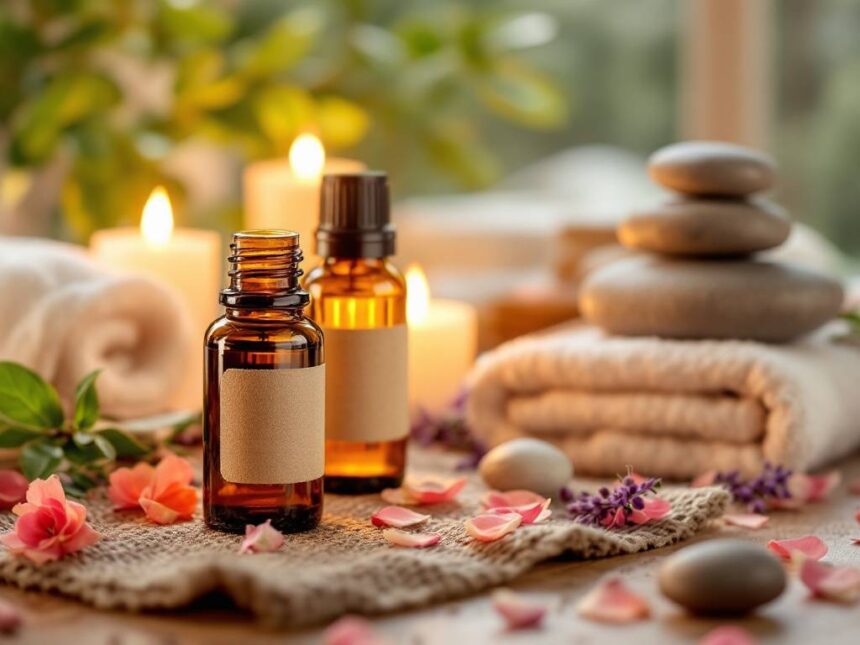
A warm, relaxing massage already feels like a reset for your body. When you add essential oils for massage, you invite in deeper calm, softer muscles, and even better sleep, all with just a few drops. Whether you are completely new to essential oils or you are simply looking for safe, simple ways to use them at home, you can build a soothing routine without needing a professional spa in your living room.
This guide walks you through how essential oils work in massage, the best beginner friendly oils to start with, how to blend and dilute them safely, and simple, step by step massage ideas you can try tonight.
Understand what essential oils do in massage
Essential oils are highly concentrated plant extracts. In massage, they support your body in two main ways at the same time: through aroma as you breathe them in, and through diluted skin contact.
A 2023 overview from the American Massage Therapy Association notes that aromatherapy, the use of essential oils for wellbeing, has been linked with reduced fatigue, improved sleep quality, less anxiety and depression, and lower stress levels overall. When you combine those properties with the physical benefits of massage, such as improved circulation and muscle relaxation, you create a powerful self care tool.
During an aromatherapy massage, a therapist will typically:
- Diffuse essential oils in the room before you arrive
- Blend a small amount of essential oil into a carrier oil or lotion, usually at a 1 to 5 percent concentration
- Sometimes offer a personalized inhalation, such as a cotton pad or towel with a drop of oil for you to breathe in
At home, you can follow the same basic pattern. Use a diffuser in the room, dilute properly in a carrier oil, and choose light, gentle techniques so your skin and muscles can relax instead of bracing.
If you are curious about other everyday uses beyond massage, you might also like to explore how to use essential oils and the broader range of essential oils benefits.
Choose the best essential oils for massage
You do not need a huge collection to get started. One to three carefully chosen essential oils for massage can cover most of your needs, from unwinding before bed to easing sore calves after a workout.

Below are some of the most loved options, drawn from spa practices in Atlanta and from a 2024 guide to massage oils by Young Living.
Lavender: The all‑around relaxer
Lavender essential oil is one of the most versatile and well researched oils for massage. Many spas use it as their default choice for stress relief. In Atlanta, for example, lavender is the star of a Lavender Scalp Treatment that pairs head massage with the oil to ease tension and support sleep.
In massage, lavender can help:
- Calm a racing mind
- Soften overall body tension
- Soothe minor skin irritation
- Support deeper, more restful sleep
Lavender is also often recommended for essential oils for relaxation, essential oils for stress relief, and as one of the best essential oils for sleep. If you only pick one oil for massage, lavender is an excellent place to start.
Peppermint: Cooling focus and muscle relief
Peppermint essential oil has a fresh, minty scent that wakes up your senses. Spas use it in targeted treatments such as express foot reflexology, where a diluted peppermint blend is massaged into the feet to boost circulation and relieve fatigue.
In massage, peppermint can:

- Provide a cooling sensation that eases tired or overworked muscles
- Help with mental fog and afternoon slump
- Support clearer breathing during a sinus massage
Because peppermint is very strong, it should be used at a lower dilution and is typically not recommended in pregnancy. A peppermint blend can overlap nicely with routines for essential oils for headaches and essential oils for nausea, but always apply it in a safe, diluted form and away from the eyes.
Frankincense: Grounding and deeply calming
Frankincense has a warm, resinous aroma that many people find centering and spiritual. In Atlanta spa treatments, frankincense is used to promote a sense of grounding and to support deep, steady breathing during massage.
Possible benefits include:
- Encouraging slow, deep breaths
- Supporting a sense of emotional balance
- Providing anti inflammatory comfort to tired joints, as noted in aromatherapy discussions
If you tend to carry stress in your chest or feel mentally scattered, a frankincense blend across the upper back and shoulders can feel especially comforting.
Geranium: Uplifting, balancing, and circulation boosting
Geranium essential oil offers a floral, slightly green scent that many describe as both relaxing and rejuvenating. Spas appreciate it for the way it supports circulation and tones body tissue.
In massage, geranium may:
- Soothe a frazzled nervous system
- Support healthy circulation
- Gently tighten and tone the feel of the skin
- Ease some menstrual and menopausal discomfort, according to aromatherapy practitioners in Atlanta
It pairs well with lavender for a calm yet bright blend, especially in full body or abdominal massage.
Other helpful oils from massage experts
The Young Living massage guide highlights several other oils that can play useful roles in your home routine:
- Basil, for cleansing and soothing the feel of the skin
- Black pepper, for energizing tired muscles after exercise
- Eucalyptus and yarrow, for helping ease the sensation of muscle pain and tension
Cooling blends like Peppermint or Raven™ can refresh fatigued muscles, while warming oils such as cinnamon bark and ginger can create a cozy, comforting feel for chronically tight areas.
If you are primarily interested in easing tight, sore muscles, you may also want to read more about essential oils for muscle pain and essential oils for pain relief.
Select the right carrier oils
Before you can use essential oils for massage on your skin, you must dilute them in a carrier oil. This helps spread the essential oil over a larger area and protects your skin from irritation.
Common carrier oils include:
- Grapeseed oil
- Sweet almond oil
- Fractionated coconut oil
- Jojoba oil
- Olive oil from your kitchen, if needed
Grapeseed oil is often highlighted as an excellent massage carrier. It has a silky texture that glides smoothly but absorbs without feeling greasy, and it contains vitamins A, E, B, and D along with amino acids that support healthy looking skin (Plant Therapy, as summarized in aromatherapy blogs).
If you have nut allergies, avoid almond oil and choose grapeseed, jojoba, or fractionated coconut oil instead.
Follow safe dilution guidelines
For everyday home massage, more drops do not equal more benefits. Higher concentrations only raise the chances of redness, sensitization, or headaches from an overpowering scent.
A common rule of thumb for general body massage is:
- 2 percent dilution for most healthy teens and adults
- 1 percent dilution for children aged 5 to 12, pregnant or breastfeeding adults, older adults, or anyone with sensitive skin (Plant Therapy, as summarized in massage oil guides)
A 2 percent dilution means about 12 drops of essential oil in 1 ounce (30 milliliters) of carrier oil. A 1 percent dilution is about 6 drops per ounce.
You can learn more in depth guidance in this guide on how to dilute essential oils, but here is a quick reference you can keep handy:
For a 1 ounce (30 ml) carrier oil bottle, use 6 drops of essential oil for 1 percent, or 12 drops for 2 percent.
Always start at the lower end if you are new or if you know you have sensitive skin or fragrance sensitivities.
Practice basic massage safety
If you are a safety first household, you are right to be careful. Essential oils are powerful, and good habits make them much kinder to your body.
Before you begin using essential oils for massage, keep these basics in mind, which mirror the intake and precautions used by professional massage therapists:
- Always dilute essential oils in a carrier oil before applying to skin
- Do a patch test on a small area, such as your inner forearm, and wait 24 hours before using a new oil widely
- Avoid strong oils like wintergreen on clients or family members who take blood thinners
- Use extra caution or avoid certain oils in pregnancy, especially peppermint, wintergreen, and some spicy oils
- Keep oils away from eyes, inner ears, and broken or irritated skin
- Store your oils out of reach of children and pets
- If you have asthma, epilepsy, seizures, or complex medical conditions, check with a healthcare provider before starting aromatherapy massage
Quality matters too. Experts recommend choosing high quality, authentic oils from reputable suppliers that provide third party testing so you know what you are putting on your skin. If you would like help evaluating labels, see the overview of therapeutic grade essential oils.
Try simple essential oil massage routines
You do not need advanced training to give a safe, relaxing massage at home. Light, slow strokes and a calm presence are more important than perfect technique. The Young Living guide shares several step by step massage ideas, including foot, back, post workout, neck and shoulder, head tension, scalp, joint, and hand massages.
Below are a few beginner friendly versions you can adapt using lavender, peppermint, frankincense, or geranium.
Relaxing back and shoulder massage
Ideal for: Evening wind down, everyday stress relief.
- Mix your blend
Combine 1 ounce of grapeseed oil with 8 to 12 drops total of essential oil, such as 6 drops lavender, 3 drops frankincense, and 2 drops geranium for a gentle 2 percent dilution. Warm the oil in your hands. - Set the mood
Dim the lights, put on calm music, and diffuse a small amount of the same blend in a diffuser. You can explore more scent ideas in essential oils diffuser blends. - Start broad
Use flat palms to apply oil along the upper back and shoulders, moving from the spine outward. Keep pressure comfortable and always move slowly. - Focus on tension spots
Use your thumbs or fingertips in small circles around the tops of the shoulders and along each side of the spine, but not directly on the spine itself. - Finish with gentle holds
Rest your palms on the shoulders for a few breaths, then gently sweep down the back to signal the end of the massage.
Cooling foot massage for tired legs
Ideal for: After long days on your feet, travel days, or hot weather.
- Prepare your blend
For a 1 percent blend, add 3 drops peppermint and 3 drops lavender to 1 ounce of carrier oil. Peppermint adds cooling comfort while lavender keeps it relaxing. - Soak if you like
If time allows, soak your feet in warm water with a tablespoon of Epsom salts and a few drops of your diluted oil, or use a washcloth compress. Adding diluted essential oils to warm baths and compresses has been recommended as a way to ease soreness and swelling in massage routines (Healthline, as summarized in workout recovery guides). - Massage each foot
Apply oil liberally. Use your thumbs to trace slow lines from heel to toes, then circles around the ball of the foot and heel. Gently pull and stretch each toe. - Include the lower leg
Use upward strokes from ankle to knee to encourage circulation, always moving toward the heart.
Roll on bottles with pre diluted oils can make this routine even easier and less messy between workouts, as some aromatherapy sources suggest for post exercise recovery.
Neck, shoulder, and head tension massage
Ideal for: Desk workers, tension headaches, and screen heavy days.
- Choose your oils
A mix of lavender and frankincense can be soothing. Use a 1 percent dilution if applying near the hairline. - Apply to shoulders and neck
With cautious, gentle pressure, massage along the tops of the shoulders, the base of the skull, and down the sides of the neck, always moving away from the spine. - Support head tension
For a simple self massage, place a small amount of diluted oil on your fingertips and make small circles at your temples and along the jaw line. Keep away from the eyes.
For more ideas targeted to discomfort, you might want to explore essential oils for headaches and essential oils for stress relief.
Bedtime hand and arm massage
Ideal for: Settling your body before sleep and easing fidgety energy.
- Blend a gentle oil
Combine 1 ounce of carrier oil with 6 to 8 drops of lavender, possibly plus 1 to 2 drops of geranium if you like a floral note. - Massage each hand
Starting at the wrist, glide toward the fingertips. Gently stretch the fingers and press between the bones on the back of the hand with your thumb. - Include the forearms
Use broad strokes from wrist to elbow, and circular motions around tight spots. Keep your breathing slow as you work.
Pairing this bedtime routine with essential oils for bathing or your favorite essential oils diffuser blends can create a layered sleep ritual.
Create simple, safe massage blends
Once you are comfortable with one or two single oils, you can begin to mix your own. You do not need complex recipes to get results.
Here are a few basic examples you can adapt. Each assumes 1 ounce (30 ml) of carrier oil:
- Calm evening blend
7 drops lavender, 3 drops frankincense, 2 drops geranium, for gentle, whole body relaxation - Post workout muscle blend
4 drops peppermint, 4 drops black pepper, 4 drops lavender, for a cooling yet comforting feel on tired muscles - Uplift and balance blend
6 drops geranium, 3 drops basil, 3 drops lavender, for an emotionally balancing massage
Warm the oil in your hands before applying. Warming the blend slightly in your palms is a common tip among massage and aromatherapy educators and makes the experience more pleasant and evenly distributed.
If you prefer not to blend your own, many brands offer premade massage oils and roll ons, such as cooling CBD muscle rubs and ready to use joint blends. These can be convenient options if you want to skip the measuring but still enjoy customized massage support.
As you get more comfortable with blending, you might enjoy exploring broader essential oils recipes for moods like focus, calm, or seasonal support.
Adapt massage oils for different needs
Your home massage routine can flex with your life. Here are a few ideas for tailoring your blends and techniques based on common situations.
For sensitive skin and kids
Stick with:
- Lower dilutions, usually 1 percent or less
- Gentle oils like lavender or chamomile
- Patch tests before wider use
Avoid strong oils like peppermint near very young children, and do not use essential oils undiluted on their skin.
For skin prone to irritation, it can also help to coordinate your massage blends with routines built for essential oils for eczema, essential oils for acne, or essential oils for psoriasis, depending on your specific concerns.
For pets in the home
Pets are more sensitive to scents than humans. When using essential oils for massage in a shared space:
- Keep the room ventilated
- Use lower diffusion levels
- Never apply essential oils directly to your pet unless guided by a veterinarian
- Allow your pet to leave the room if the scent seems to bother them
For seasonal sniffles or allergies
For households dealing with allergies or seasonal congestion, massage can work alongside gentle diffuser blends. Oils like eucalyptus, peppermint, and frankincense are often mentioned for sinus relief, but they should still be treated carefully and diluted.
You can explore more focused suggestions in guides to essential oils for allergies and essential oils for aromatherapy.
Connect massage with your wider essential oil routine
Once you start experimenting with essential oils for massage, you may find they naturally spill into other small rituals at home. For example:
- Using similar calming blends in your diffuser in the evening
- Adding a few drops of your massage blend to a warm bath, properly diluted in a carrier or unscented bath base
- Extending your skincare into light facial massage using skin safe oils from essential oils for skin care
You can also support your muscles on heavy workout days by combining massage with other approaches like warm baths or compresses, both of which are commonly recommended alongside aromatherapy for sore muscles and swelling (Healthline, as summarized in workout recovery content).
If you are curious about targeting specific concerns, you might like to explore clusters like essential oils for inflammation, essential oils for arthritis, or even self care additions such as essential oils for laundry and essential oils for cleaning to gently surround your space with familiar, comforting scents.
Key takeaways for getting started today
If you are ready to unlock the benefits of essential oils for massage, you can start very simply.
- Choose one or two gentle oils, such as lavender, peppermint, frankincense, or geranium
- Pick a light, skin friendly carrier oil, such as grapeseed or jojoba
- Dilute to 1 to 2 percent, using 6 to 12 drops of essential oil per ounce of carrier
- Start with short, 10 to 15 minute sessions focused on the back, feet, or hands
- Watch how your body responds, and adjust blends or pressure as needed
Above all, let massage be a calm moment instead of another task. A few drops of oil, a quiet room, and ten minutes of unhurried touch can be enough to help your nervous system unwind.
Whenever you want to go deeper with essential oils beyond massage, you can explore topics like essential oils for stress relief, essential oils for relaxation, and essential oils for aromatherapy to keep building a safe, soothing toolkit that fits your home.
FAQs (H3 + Bold Questions)
What’s the safest dilution for essential oils in massage oil?
For most adults, start around 1–2% for full-body massage blends. Higher concentration increases irritation risk, so “more drops” isn’t better.
Can I apply essential oils “neat” (undiluted) during massage?
It’s not recommended. Essential oils are concentrated and can trigger irritation or sensitization—dilute in a carrier oil first.
How do I patch test a new massage blend?
Apply a small amount of diluted blend to your forearm and wait about 24 hours for redness/itching/swelling before wider use.
What carrier oil is best for massage?
Choose a carrier oil that glides well and suits your skin type (e.g., grapeseed for “lighter feel,” jojoba for balance, fractionated coconut for a clean, non-greasy finish). The key is that it’s a true carrier oil to reduce irritation risk.
Are essential oils safe around kids or during pregnancy?
Use lower dilutions and avoid strong oils unless you’ve confirmed safety with a qualified clinician. If pregnant, breastfeeding, or dealing with medical conditions, check with your healthcare provider first.
Do essential oils actually “work,” or is it just the smell?
Aromatherapy evidence is mixed depending on outcome and study design, but many people find it helpful for relaxation and comfort—especially when paired with massage.