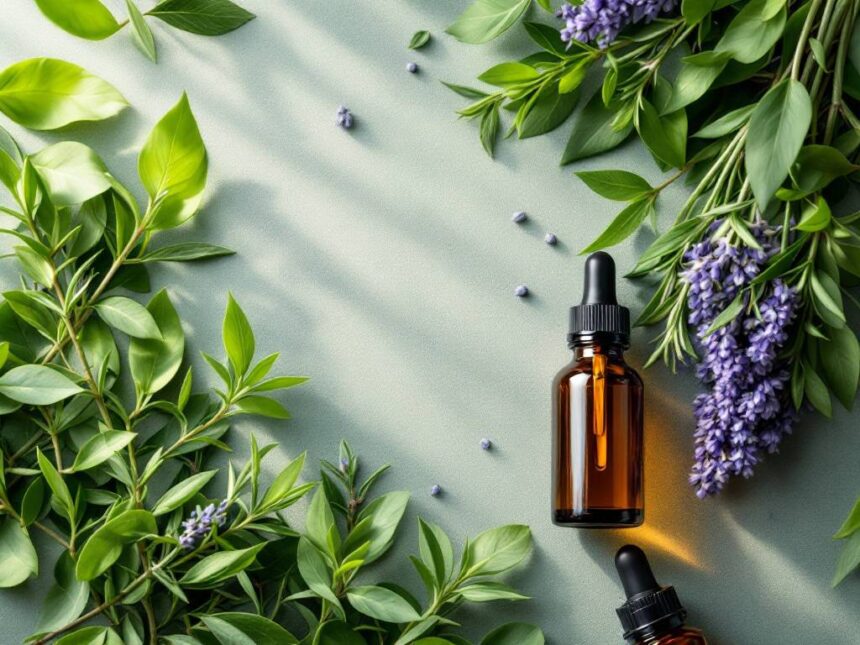
A fuller, healthier head of hair rarely comes from one miracle product. More often, it is the result of consistent, gentle care for both your scalp and strands. Essential oils for hair growth can play a helpful role in that routine, especially if you prefer more natural options and want to avoid harsh chemicals where you can.
This guide walks you through how essential oils may support hair growth, which oils to start with, how to use them safely, and simple routines you can actually keep up with, even on a busy week.
How essential oils support hair growth
Essential oils do not magically create new hair follicles, but they can create conditions that are more friendly to growth. Many work by improving scalp health and circulation, calming inflammation, and keeping follicles clear so that existing hair can stay longer, stronger, and thicker.
Studies highlighted by Green People in the UK describe how essential oils can influence your sebaceous glands and help normalize their oil production, penetrate into the hair shaft and follicles, and encourage healthier, shinier hair overall. Some oils work directly on the hair fiber to strengthen or repair it, while others work on the scalp environment itself to support growth.
From current research, essential oils may help by:
- Supporting blood flow to hair follicles
- Calming inflammation that can damage follicles
- Reducing certain microbes on the scalp
- Balancing scalp oil production
- Extending the anagen (growth) phase of the hair cycle
Much of the science is emerging, and many studies are small or done on animals, so you should view essential oils as a supportive tool, not a stand‑alone cure for hair loss. If you have sudden or severe shedding, always speak with a dermatologist first.
Key safety rules before you start
If you are new to essential oils or have kids, pets, or asthma in your home, safety comes first. A few simple rules will help you enjoy essential oils for hair growth without unwanted side effects.
Always dilute your essential oils
Undiluted essential oils are very concentrated and can irritate or even burn your scalp. Green People recommend a simple dilution ratio for hair and scalp:
Mix about 25 drops of essential oil into 50 ml of carrier oil for scalp massage.
Common carrier oils include jojoba, sweet almond, avocado, olive, coconut, or grapeseed oils. You can adjust the ratio slightly over time, but it is better to start weak and slowly increase if your skin tolerates it.
If you want a deeper dive into safe dilution for different ages and skin types, you can read more in this guide on how to dilute essential oils.
Patch test every new blend
Before you massage anything into your scalp, do a quick patch test:
- Dilute your chosen essential oil in a carrier oil.
- Apply a pea‑sized amount to the inside of your forearm.
- Wait 24 hours and watch for redness, itching, or burning.
If you react on your arm, do not put that blend on your scalp.
Pregnancy, kids, and medical conditions
Some essential oils, including peppermint and certain sages, are not recommended in pregnancy or while breastfeeding, and many are too strong for babies and very young children. If you are pregnant, nursing, have epilepsy, asthma, serious allergies, or are on medication for your scalp, ask a health professional before starting any new essential oil routine.
For a more general overview of safe uses and benefits, you might find it helpful to browse how to use essential oils and essential oils benefits as well.
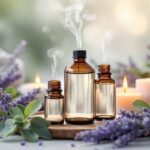
Best essential oils for hair growth
You do not need a cupboard full of bottles to get started. For most beginners, choosing one to three essential oils for hair growth is enough. Below are the best researched options and how each one may help.
Lavender essential oil
Lavender is one of the gentlest oils and a good first choice if you want something calming and multipurpose.
Research suggests lavender oil contains anti inflammatory, antioxidant, and antifungal compounds that may support a healthier scalp. A 2016 study in mice found that lavender essential oil boosted hair growth by 99.8 percent in just three weeks, while also promoting cell growth and protecting against stress induced hair loss. Human research is more limited, and its individual effect on hair growth in people is not fully confirmed yet, but it has been used in blends for alopecia with encouraging results.
Lavender also pairs nicely with relaxing routines at night. If you already enjoy essential oils for relaxation or best essential oils for sleep, you can let your scalp massage double as wind down time.
Peppermint essential oil
If you want something more stimulating, peppermint is one of the most promising essential oils for hair growth.
A 2014 animal study found that peppermint oil increased both the number and depth of hair follicles and stimulated overall hair growth more effectively than a saline solution, jojoba oil, and even minoxidil in mice. The researchers suggested peppermint may work by improving blood flow to the scalp through menthol induced vasodilation, which brings more nutrients to hair follicles.
Keep in mind, these results are from animal studies. Human trials are still limited, so you should not replace medical treatments with peppermint oil without medical advice. Peppermint is also quite strong, so it needs careful dilution and is usually avoided in pregnancy and with very young children.
Rosemary essential oil
Rosemary is one of the best known essential oils for hair and is often compared to conventional hair loss treatments.
In a 2015 study, rosemary oil showed similar improvements in hair thickness and growth as 2 percent minoxidil, a common hair growth medication, over several months. People using rosemary reported fewer side effects like scalp itching. Another review in 2020 highlighted rosemary’s antimicrobial and antioxidant properties and its ability to support circulation around hair follicles, especially in alopecia cases.
Again, more large studies in people without alopecia are still needed. However, rosemary is a strong candidate if you want a growth focused oil that is also helpful for an oily or flaky scalp.
Cedarwood essential oil
Cedarwood is often used as a team player in blends for hair growth rather than on its own.
In small studies of people with alopecia areata, a mixture that included cedarwood, along with thyme, rosemary, and lavender, helped reduce hair loss and encourage regrowth, possibly by reducing inflammation and balancing scalp oil production. Cedarwood also has antifungal and antibacterial properties, which can support general scalp health.
Because it is grounding and woody, cedarwood works especially well in evening routines or in blends you might also use for essential oils for stress relief.
Tea tree essential oil
Tea tree oil is best known for its cleansing and clarifying powers. If your hair growth is held back by dandruff, buildup, or an itchy, inflamed scalp, tea tree can help improve the environment that your follicles live in.
Tea tree oil has antibacterial, anti inflammatory, and antimicrobial effects. One small 2013 study used a mixture of tea tree oil with diclofenac and minoxidil. This mixture improved hair growth more than minoxidil alone, although it is hard to know exactly how much of that effect came from tea tree itself. More research is needed to separate its individual role.
Because tea tree can be drying, it often works best in blends that include more nourishing oils and rich carrier oils.
Geranium, thyme, and other supportive oils
Several other essential oils show early promise for hair support:
- Geranium oil increased the production of human dermal papilla cells in a 2017 study. These cells help trigger hair follicle formation, so geranium may promote thicker hair by supporting growth factors and balancing moisture.
- Thyme, when combined with rosemary, lavender, and cedarwood, was part of a blend that significantly improved hair regrowth in people with alopecia areata in a 1998 study. The mix appeared to reduce inflammation and prevent the immune system from attacking hair follicles.
- Bergamot essential oil may encourage a healthy scalp by supporting wound healing and reducing inflammation, according to a study mentioned by Medical News Today in June 2024.
- Chamomile, additional varieties of rosemary, and sage have also been suggested as supportive oils, although more human research is needed to confirm their specific effects on growth.
If you are just starting, you do not need all of these. Choose one or two that match your scalp type and comfort level, then add more only if you enjoy the process and tolerate them well.
Best carrier oils for your scalp and hair
Carrier oils dilute your essential oils, protect your skin, and add their own hair friendly benefits. Some even show promising results for supporting growth.
Jojoba oil
Jojoba oil is technically a liquid wax that closely resembles your scalp’s natural sebum. It is light, absorbs quickly, and suits most hair types, including combination or oily scalps.
A study cited in the research found that jojoba promoted faster hair growth on shaved hair compared with areas that did not receive jojoba. This makes it an ideal everyday carrier oil for your blends, especially if you dislike a greasy afterfeel.
Coconut oil
If your hair is dry, coarse, or brittle, coconut oil is a classic choice. A 2022 review in the International Journal of Trichology noted that coconut oil contains medium chain saturated fatty acids like lauric acid and monolaurin. These help prevent protein loss by penetrating the hair shaft and sealing in moisture, and they offer antibacterial and antifungal benefits.
Green People recommend coconut oil particularly for thick or coarse hair, and suggest gently warming it first so it softens and spreads more easily through your hair.
Almond, castor, fenugreek, and sesame oils
Several other carrier oils can support your hair growth routine:
- Almond oil is rich in monounsaturated and polyunsaturated fats, including linoleic acid and vitamin E. A 2022 dermatology review suggests it can protect against UV damage and improve hair elasticity through its emollient effect, although it does not penetrate the shaft as deeply as coconut oil.
- Castor oil contains ricinoleic acid and other fatty acids that moisturize the hair and scalp and penetrate hair follicles. A 2022 article noted it may support growth in androgenetic alopecia by inhibiting prostaglandin D2 synthase, and it also has germicidal and fungicidal properties.
- Fenugreek oil includes steroid sapogenins like diosgenin that may have anti androgen effects, possibly helping to block some dihydrotestosterone activity, a hormone involved in certain types of hair loss. It also appears to enhance scalp blood flow and has anti inflammatory, antifungal, and antibacterial properties.
- Sesame oil contains lignans such as sesamolin and sesaminol. A 2022 review linked these to anti inflammatory, antioxidant, antibacterial, moisturizing, and enhanced scalp penetration effects. Together, these may support circulation, hair growth, and even help delay graying.
You can mix and match carrier oils depending on your needs. For example, combine jojoba and castor for a balanced, scalp focused blend or coconut and almond for very dry, damaged lengths.
Simple hair growth blends you can try
To keep things easy, start with one blend at a time. Always dilute thoroughly and adjust based on how your scalp feels.
Basic stimulating scalp oil
This blend is designed to gently energize follicles and support circulation.
- 50 ml jojoba or grapeseed oil
- 6 drops rosemary essential oil
- 5 drops lavender essential oil
- 4 drops peppermint essential oil
Mix in a dark glass bottle, shake gently, and store away from heat and sunlight. Use up to 3 times per week.
Calming scalp support blend
If your scalp is sensitive, itchy, or prone to flakes, try a gentler mix.
- 50 ml coconut and almond oil mixture
- 6 drops lavender essential oil
- 3 drops tea tree essential oil
- 3 drops geranium essential oil
This mix focuses on soothing irritation while lightly cleansing the scalp surface.
Rich overnight hair mask
For very dry or damaged hair that needs a reset, a richer blend can help.
- 30 ml coconut oil
- 10 ml castor oil
- 10 ml sesame oil
- 6 drops rosemary essential oil
- 4 drops cedarwood essential oil
Warm the oils slightly between your palms before applying. Concentrate on mid lengths and ends, and only lightly massage into the scalp if you do not get greasy easily.
How to use hair growth oils in your routine
Consistency is more important than complicated recipes. Choose one or two methods that fit your life and stick with them for at least 8 to 12 weeks before you judge results.
Scalp massage routine
Scalp massage helps on two levels. The mechanical massage itself encourages circulation, and the essential oils add their own benefits.
- Part your dry hair into sections.
- Apply a small amount of diluted oil directly to your scalp, focusing on thinner areas or your hairline.
- Using your fingertips, gently press and move the scalp in small circles for 5 to 10 minutes. Aim for firm but comfortable pressure, not scratching.
- Leave in for 30 minutes, or overnight if your skin tolerates it.
- Shampoo as usual, possibly twice if your hair feels oily.
Green People suggest this type of massage as a key way to incorporate essential oils into your hair routine and to help stimulate new growth.
You can schedule your scalp massage on nights when you already use essential oils for aromatherapy or essential oils for massage so that it feels like part of a wider self care ritual.
Pre shampoo oil treatments
If your hair feels tangled, dry, or frizzy, a pre shampoo oil application can prevent your cleanser from drying it out further.
Lightly oil your scalp and lengths 20 to 30 minutes before you step into the shower. Focus on the driest areas and then wash and condition as normal. This method is particularly helpful with coconut oil, which can prevent protein loss when used before washing.
Spot treatments and leave in care
If you prefer not to oil your entire scalp, you can:
- Dab a tiny amount of diluted tea tree blend on flaky patches only.
- Use a drop or two of a lavender and jojoba blend on your hairline.
- Smooth a very small amount of rosemary infused carrier oil on your ends for frizz control and extra shine.
When leaving products in, cut back the essential oil concentration and apply sparingly so you do not weigh down your hair or irritate your skin.
Setting realistic expectations
Essential oils for hair growth can make your hair routine feel more intentional and nurturing. They can also support a healthier scalp environment. However, it helps to keep your expectations grounded.
Most studies are small, many are in animals, and hair growth is slow by nature. You may see:
- A calmer, less itchy scalp within a few weeks
- Softer, shinier hair as your oils improve moisture balance
- Gradual changes in thickness or regrowth over several months, if at all
If hair loss continues to worsen, or if you notice bald patches, sudden shedding, or scalp pain, stop your oils and speak with a medical professional. Essential oils should sit alongside, not replace, treatments recommended for conditions like alopecia, thyroid issues, or nutrient deficiencies.
Supporting growth from the inside out
Hair thrives when the rest of your body is supported. While this guide focuses on topical use, it is worth remembering that stress, sleep, and overall health all affect growth.
You might find it helpful to fold your hair routine into broader relaxation habits. For example:
- Diffuse lavender or a calming blend during your evening scalp massage using ideas from essential oils diffuser blends.
- Pair a weekend hair oil treatment with a warm bath and a few drops from our guide to essential oils for bathing.
- Explore essential oils for anxiety or essential oils for stress relief if tension and worry are part of your day to day life.
Lowering stress and improving sleep will not only support your mood and energy, they may also indirectly help your hair stay in the growth phase longer.
When to avoid or stop using essential oils
Even when used carefully, essential oils are not right for everyone. Stop using a product and rinse your scalp with mild soap and plenty of water if you notice:
- Burning, stinging, or intense itching
- Persistent redness or rash
- Increased shedding or breakage after starting a new blend
- Headaches triggered by the scent
If symptoms are severe, or if you have trouble breathing, seek immediate medical care.
If you have skin conditions such as eczema or psoriasis, it is especially important to speak with a dermatologist before applying essential oils on affected areas. You can learn more about skin focused use in guides like essential oils for eczema and essential oils for skin care.
Putting your new routine into action
You do not have to overhaul your entire hair care plan at once. Start with one simple change:
- Pick a single essential oil, such as lavender, rosemary, or peppermint.
- Choose a compatible carrier oil like jojoba or coconut.
- Create a small batch of diluted oil and try a 5 minute scalp massage twice a week for a month.
Notice how your scalp feels and how your hair looks and responds. If all goes well, you can build from there, experimenting with blends, pre shampoo treatments, or richer masks.
Used thoughtfully and safely, essential oils for hair growth can transform your hair routine from a rushed chore into a small, restorative ritual that cares for both your scalp and your sense of wellbeing.
FAQs
Do essential oils actually regrow hair?
They can support a healthier scalp environment and reduce factors that worsen shedding (irritation, buildup), but they’re not a guaranteed cure for hair loss. Evidence varies by oil and condition.
Which essential oil is best for hair growth beginners?
Rosemary is the most popular “growth-focused” option with human trial data in androgenetic alopecia, while lavender is often the gentlest starter for sensitive scalps.
How do I dilute essential oils for scalp use?
A common adult range is about 1–3% dilution (drops per ounce vary by guideline). Start lower if sensitive.
How often should I use a scalp oil blend?
Most people do best with 2–3 times per week and reassess after 8–12 weeks. If your scalp feels irritated, reduce frequency or stop.
Can tea tree oil help hair growth if I have dandruff?
Tea tree may help by improving the scalp environment (less itch, less irritation), which can indirectly help retention and comfort. Stop if you develop redness or burning.
When should I stop using essential oils on my scalp?
Stop if you get burning, rash, persistent redness, headaches triggered by scent, or increased irritation; essential oils can cause irritant or allergic contact dermatitis.
When should I see a dermatologist for hair shedding?
If shedding is sudden, severe, painful, or patchy—or keeps worsening—get evaluated. The right treatment depends on the cause.