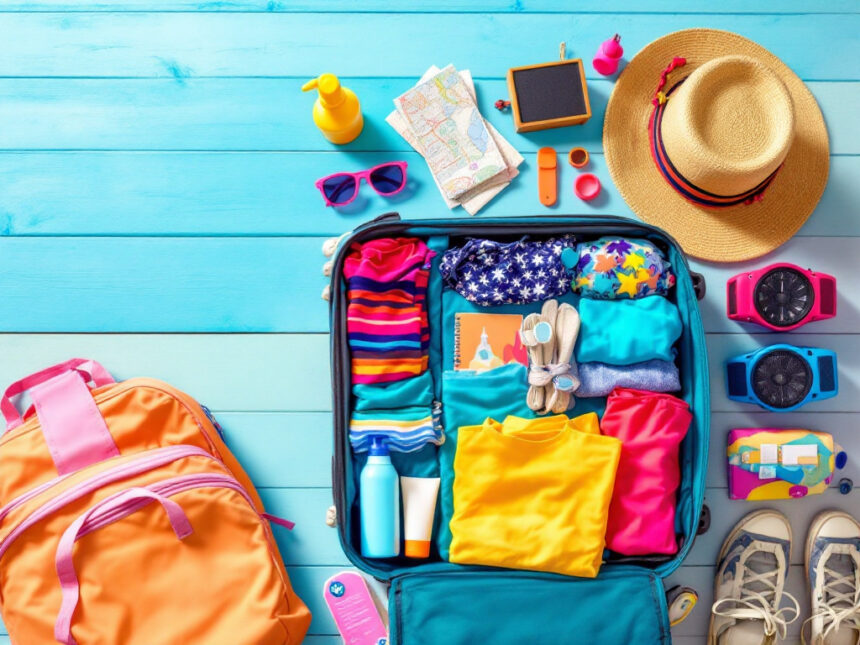
Packing organization for festivals is the difference between arriving relaxed and ready for music, or wasting your first day hunting for socks and Advil. With a little planning, you can turn your bag into a portable command center that is easy to live out of, whether you are flying in with one backpack or road tripping with a packed car.
This guide walks you through a complete, step by step system so you always know where everything is, can pack and unpack quickly, and avoid overstuffed, chaotic bags.
Start with a smart festival packing plan
Before you even touch your suitcase, get clear on what you actually need. Good packing organization for festivals starts with a simple plan, not with buying more gear.
Think about:
- How you are getting there, flying, road trip, or train
- Where you are sleeping, hotel, car camping, tent, RV
- Festival length and weather, one day vs four days, heat, cold nights, rain
- Your role, casual attendee, camping lead, parent with kids, group organizer
Then write a short, category based list instead of a random brain dump. Divide everything into:
- Clothing and accessories
- Toiletries and personal care
- Festival day gear
- Camping, sleeping and cooking gear if applicable
- Documents, tickets and money
- Electronics and chargers
- Food and snacks
If you want help building a repeatable system, use an approach similar to an organize your packing list template. Once you create a base list for festivals, you can reuse and tweak it for every event.
Choose the right bags for the festival
Your bags are the backbone of your packing organization. The goal is simple, one main bag that is easy to carry and a smaller day bag you keep with you inside the festival.
Main bag for travel and camping
If you are flying or traveling light, a 35 to 45 liter backpack or duffel is usually enough for a weekend festival. Look for:
- Wide opening, so you can see into the bag without digging
- Internal or external compression straps to keep packing cubes in place
- A few pockets, but not so many that you forget where things are
Some brands, like Stubble & Co, highlight how the right backpack or kit bag reduces stress at festivals by giving you structured space for clothes, gear and shoes, which makes living out of your bag for a few days much easier.
If you are camping with a car, you can bring a larger duffel plus a camping gear tub. You will still use the same organization system inside.
To optimize how you actually load your bag, you can borrow ideas from how to pack a backpack efficiently and efficient packing techniques, especially if you are walking from parking to the campsite.
Day bag for inside the festival
The ideal day bag is small, hands free and secure. Think:
- Crossbody or shoulder bag for essentials like phone, tickets and wallet
- Hydration pack with at least a 2 liter bladder and a covered mouthpiece to stay organized and hygienic when bags end up on the ground or in porta potties, as recommended in 2017 festival packing advice
- Compact sling or fanny pack so you can dance, move and use your hands freely
Festival specific bags and slings, such as crossbody or sport sling styles, are popular because they are small but surprisingly spacious. Features like organized pockets, key leashes and water bottle holders let you carry a lot without feeling weighed down.
If you often travel with only a personal item, you can adapt ideas from organized carry-on packing tips to keep that day bag lean and efficient.

Build a simple packing organization system
The most effective packing organization for festivals uses a few repeatable rules. Once you decide on your system, you can set it up in under 30 minutes for every trip.
Use categories, not chaos
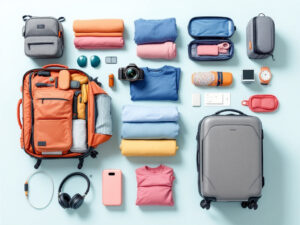
First, commit to category based packing. Everything in your bag should fit into one of a small number of categories:
- Outfits and layers
- Sleepwear and loungewear
- Toiletries and medications
- Electronics and cables
- Festival day kit
- Camp kitchen and food, if camping
You can go deeper with packing category organization, but for festivals you want to keep categories intuitive. You should be able to say out loud, “Electronics live in the black pouch, outfits live in the blue cubes, first aid lives in the red bag.”
Assign a container to each category
Next, give each category its own container. This might be:
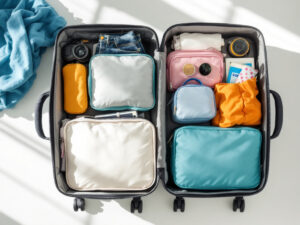
- Packing cubes
- Compression cubes or vacuum seal bags
- Zip pouches
- Ziplock bags for outfits or toiletries
- Small boxes or bins if you are car camping
Packing cubes are especially helpful for festivals because they let you organize by day or by type of clothing and they keep your tent or small room from looking like a laundry explosion. You can explore more packing cubes organization ideas to see which style fits how you travel.
Research from Western Rise on festival packing notes that packing cubes are highly recommended for festivals since they help you organize outfits by day, maximize space and reduce packing anxiety with simple label tabs.
If you prefer a slim, minimalist setup, look at minimalist packing organization approaches so that every organizer you bring actually earns its space.
Organize outfits and clothing
Clothing is usually the biggest source of clutter at a festival. You want outfits that are easy to grab in the dark, stay clean for as long as possible and adapt when the weather changes.
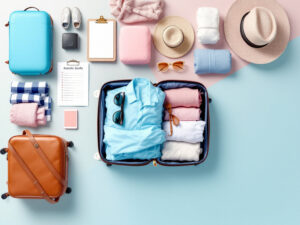
Pack clothing by outfit or by type
You have two main strategies. Both work, you just need to pick the one that matches how your brain works.
- By outfit
You pack each full outfit together, top, bottom, underwear and socks. This works particularly well for busy parents, anyone sharing a tent and for short weekend festivals. Ideas in organizing packing by outfit can help you refine this approach. - By type
You pack all tops together, all bottoms together, all underwear together. This is ideal if you like mixing and matching or if you are going to a longer festival and need more flexibility.
If you are traveling with kids, outfit based packing is especially helpful. You can also borrow ideas from organizing kids’ travel bags, like packing each day’s kid outfit in its own labeled bag so mornings are quick.
Use packing cubes and bags for clothes
To keep clothes compact and organized:
- Use standard packing cubes for most items
- Add one compression cube for bulkier layers like hoodies or puffers
- Consider vacuum seal bags with a hand pump for very bulky items if you are flying, since these can save a lot of space and be reused for future trips, as noted in a 2017 festival packing list
If you are comparing gear, see packing cubes vs packing folders to decide which tools fit best in your bag and how you like to organize.
For a quick start, many travelers rely on a simple three cube setup:
- Cube 1, daytime outfits
- Cube 2, sleepwear and lounge
- Cube 3, backup layers and emergency clothes
You can adapt packing cubes packing strategies to switch between rolling, folding or flat stacking depending on your clothing type.
Keep dirty and clean clothes separate
Festivals get dusty, sweaty and sometimes muddy. Your organization system has to account for this or your bag will feel gross halfway through.
Try:
- A designated dirty laundry bag in a different color or texture than your clean cubes
- Large ziplock bags for daily outfits as recommended in earlier festival guides, then reuse the bag for dirty clothes at night
- A lightweight shoe bag or wet bag for especially sweaty items
If you want more ideas, look at packing shoes organization tips and shoe bags, especially if you are dealing with muddy boots or wet sandals.
Toiletries and personal care the tidy way
Disorganized toiletries slow you down and create leaks. For festivals, you want a simple, leak resistant setup that lets you freshen up even with minimal facilities.
Choose the right toiletry containers
Start with a compact, hanging toiletry bag so you can use it in a porta potty or campground shower without putting everything on the floor or a wet shelf. Then:
- Transfer liquids into small, leak proof bottles
- Group items by function, dental, shower, skincare, medications
- Store daily items near the top or in easy access pockets
These strategies overlap with organizing toiletries for travel, which can help you streamline a routine that is realistic for festival conditions.
Western Rise’s festival packing guide also recommends including a well stocked first aid kit and personal care items so you can handle blisters, sunburn, headaches and minor injuries without hunting for a medic tent.
Micro kits for sanity
Instead of one giant toiletry bag, consider two or three micro kits:
- Morning kit, toothbrush, toothpaste, face wash, moisturizer, sunscreen
- Night kit, face wipes, mini cleanser, lotion, lip balm, any medications
- Shower kit, solid shampoo or small bottle, conditioner, body wash, razor
You can stash the morning kit in your day bag during the festival for a midday refresh if needed.
Organize festival gear and camp setup
If you are camping, your organization system extends beyond your bag. You want a campsite where you can find things even in the dark and with low energy at 3 a.m.
Keep camping supplies off the ground
Hanging storage is your best friend in a small campsite. 2017 festival packing advice suggests:
- A hanging shoe organizer on your canopy for small gear like flashlights, sunscreen, utensils and toiletries
- A three tier hanging fruit basket for snacks, utensils and kitchen items
These keep important things dry, visible and off the ground so you are not constantly rummaging through plastic bins.
A sturdy 10 x 10 straight leg canopy is also recommended in 2017 camping tips because it offers 100 square feet of shade compared to only 64 square feet from a similar slant leg design. That extra shade makes your camp more comfortable and gives you a protected area to store and organize your gear.
Use bins and bags for zones
If you arrive by car, use a small number of labeled bins instead of many random bags. For example:
- Bin 1, kitchen and cooking
- Bin 2, shared camp gear, tools, duct tape, extra stakes, lanterns
- Bin 3, snacks and sealed food
Then give each person their own duffel or backpack for personal clothing and gear. This keeps group items separate from private items and reduces confusion.
Western Rise’s festival list highlights that organizing festival gear into clear categories like electronics, camping, sleeping and cooking equipment makes it easier to be fully prepared for a multi day experience without overpacking things you will not actually use.
Streamline tech and valuables
Tech clutter is easy to lose and annoying to detangle when you just want to get to a stage on time. Use a small, clearly labeled system for anything with a battery.
Create a dedicated tech kit
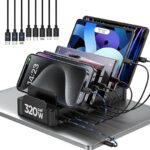
Use a flat zip pouch or small tech bag for:
- Phone charger and plug
- Portable battery pack
- Headphones or earbuds
- Watch or fitness tracker charger
- Any camera gear or memory cards
A structured tech bag is useful here and some brands even design bags specifically to keep cables and chargers from tangling, which is especially valuable in small tents or shared rooms.
Store this kit deep in your main bag when you are inside the festival and only keep what you truly need in your day bag.
Protect documents and money
Your tickets, ID and cards deserve their own protected spot. Try:
- A slim wallet or passport case that you always keep on your body
- A flat belt or hidden pocket for backup cash and a second card
- Digital copies of tickets stored on your phone and in email
You can reflect some of the thinking in organized packing for vacation, where key documents have dedicated homes, never loose in a side pocket.
Hands free organization inside the festival
Once you are through the gate, you should not be thinking about your bag much at all. A simple pocket layout makes that possible.
Set up your day bag layout
Before you leave your tent or room, set your bag the same way every day. For example:
- Front pocket, lip balm, tissues, hand sanitizer, earplugs
- Main compartment, lightweight layer, snacks, small first aid pouch
- Internal zipper pocket, small wallet, keys, backup card
- Elastic slot or holster, water bottle or hydration bladder
Hands free bags like crossbody slings and small fanny packs are popular because they allow you to sing, dance and move without juggling a larger backpack. BÉIS and similar brands often recommend these for festivals since they combine small size with surprising internal organization and even hidden water bottle pockets.
Your hydration pack should have at least a 2 liter bladder and a covered mouthpiece, a feature highlighted in 2017 festival packing recommendations, both for hygiene and convenience when bags are on dusty ground or bathroom floors.
Mini kits for common situations
You can build tiny zip pouches for specific needs:
- Health kit, pain reliever, bandages, allergy meds
- Sun kit, sunscreen stick, sunglasses cleaning cloth
- Night kit, small flashlight, spare earplugs, cash for food
These mini kits make reloading your day bag fast each morning. You just drop in the kits you need instead of grabbing items one by one.
Special strategies for families, couples and groups
Packing organization for festivals changes when you are not traveling alone. You are now managing other people’s comfort and gear too.
Families with kids
If you are taking kids, treat each child like a mini festival goer with their own system:
- One packing cube or zip bag per day with full outfits, including underwear and socks
- A small personal pouch for their treasures and toys
- A shared family snack kit so food is not scattered in every bag
You can borrow more ideas from organizing kids’ travel bags, such as using clear pouches so kids can see what they are allowed to use without emptying everything onto the ground.
Couples and co packing
For couples who share a tent or bag space, split by person, not by category. This is the core of good packing organization for couples.
- Each person gets their own color of packing cubes
- Toiletries might be shared, but you still keep personal medications separate in labeled pouches
- Agree on a shared camp gear bin and a shared snack bin
This prevents the paralysis of, “Which of the five cubes has my socks in it” especially in low light.
Group gear coordination
If you are organizing a larger group, assign clear responsibilities:
- One person in charge of kitchen gear
- One for shade and seating
- One for lighting and power
Then share the list digitally so nobody brings three stoves and zero can openers. Western Rise’s recommendation to leave non essential items at home is especially helpful here. Clarify in advance which extras will not come so everyone can pack light and avoid unnecessary duplicates.
Pack light without sacrificing comfort
You do not need to bring your entire closet to feel prepared. In fact, lighter, more intentional packing will make the festival experience smoother.
Focus on versatile clothing
When building your list:
- Choose tops and bottoms that mix and match easily
- Stick to a simple color palette that coordinates
- Pack layers instead of heavy items, like a light base, a mid layer and a compact jacket
Western Rise suggests versatile, layered outfits that feel comfortable but still look good. They also note that a three day packing list can usually be trimmed for a shorter festival, which helps you avoid overpacking.
For even more help scaling back, check out packing light and organized and minimalist packing organization. These approaches work very well for weekend festivals and fly in events.
Limit “just in case” extras
Use the “one backup” rule for most categories:
- One backup outfit
- One backup pair of socks and underwear per two days
- One backup warm layer
If you find yourself tempted to add more, run through packing checklist for organized travel style questions: Will I use this at least twice? Does it support my health, safety or sleep? If not, it probably stays home.
Repacking and staying organized during the festival
Even the best system will drift if you never reset it. The trick is building a tiny daily routine that takes 5 minutes.
Create a daily reset habit
Every evening or every morning:
- Put dirty clothes into the laundry bag or zip bag
- Return clean items to their cubes
- Refill your day bag kits, snacks, earplugs, medications, sunscreen
- Top off water, charge power banks and phones
This is your festival version of travel packing organization hacks, a simple, repeatable habit that keeps small messes from turning into chaos.
Keep your tent or room zoned
Assign zones, even in a small tent:
- Sleeping zone, only mattress, sleeping bags and pillows
- Clothing zone, packing cubes and personal bags
- Shared gear zone, kitchen, lights, chairs
- Trash zone, a small bag that everyone uses
Labeling or color coding bags reduces confusion, especially late at night.
Turn this guide into your personal system
To make your next festival easier from start to finish, turn this advice into a repeatable system:
- Save a master list for clothing, gear and toiletries
- Choose a core set of organizers, cubes, pouches and bins, that you reuse for every trip
- Decide on a “home” for each category so things always go back in the same place
If you want to refine how you pack across all your trips, you can build on this guide with packing organization tips, packing system for organized trips and how to pack efficiently for travel.
The more you practice this style of organized packing, the faster it becomes. After a festival or two, you will be able to pack in under an hour, glide through security, set up camp quickly and spend your energy where it belongs, on the music, the people and the experience.
FAQs
What’s the best way to organize festival packing fast?
Use 5–7 categories (clothes, toiletries, day gear, tech, documents, snacks, camp gear). Give each one a dedicated container (cube/pouch/bin). Then keep the same “homes” every trip.
Should I pack clothes by outfit or by type for a festival?
Weekend festival or camping in tight quarters: by outfit is usually easier. Longer festivals or lots of style changes: by type keeps options open.
How do I keep clean and dirty clothes separate at festivals?
Bring one dedicated laundry bag (different texture/color than clean cubes). Add a smaller wet/shoe bag for muddy or sweaty items.
What toiletries matter most for festival conditions?
A compact kit + leak-proof bottles, plus “micro-kits” (morning/night/shower). If flying, follow liquid rules to avoid security headaches.
What should be in a festival first-aid kit?
Prioritize blister care, bandages, antiseptic wipes, pain relief, and any personal meds. The Red Cross list is a solid baseline.
How do I stay safe in heat and sun at festivals?
Drink fluids appropriately in hot weather and watch for heat illness signs. For sun, seek shade and use broad-spectrum SPF 30+ when needed.
How do I keep my campsite organized (and not attract critters)?
Use labeled bins for zones (kitchen, shared gear, snacks) and store food/odorous items securely per park guidance.
What’s the easiest daily routine to stay organized during the festival?
A 5-minute reset: dirty clothes → laundry bag, refill day-bag kits, charge power bank/phone, and repack in the same layout.