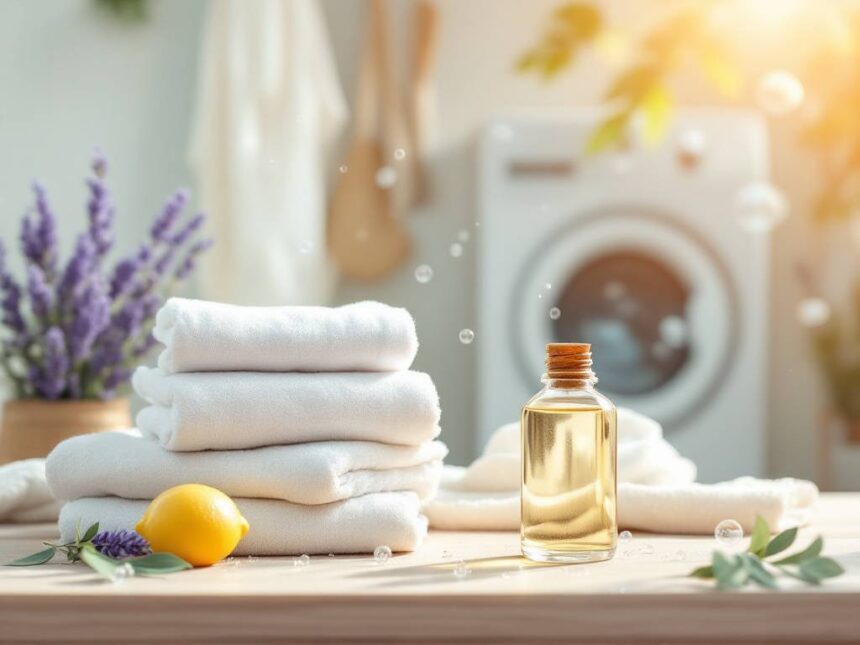
A tiny bottle of essential oil can completely change how your laundry smells and feels. When you use essential oils for laundry the friendly way, you get naturally fresh clothes without heavy synthetic fragrances, and you can keep routines safe for kids, pets, and sensitive skin.
This guide walks you through exactly how to do that. You will learn which oils to start with, how many drops to use, and simple, low-risk ways to add them to every load.
Understand what essential oils do in laundry
Before you put anything in the washer, it helps to know what essential oils can and cannot do for your laundry.
Essential oils are concentrated plant extracts. In laundry, they are mostly used to:
- Add a light, natural scent
- Support cleaning with deodorizing and antimicrobial properties
- Create a mood, like calming before bed or energizing in the morning
Traditional detergents often rely on synthetic fragrances and chemicals like formaldehyde, phosphates, or bleach, which can be absorbed through your skin or inhaled with lingering scent residues. Essential oils give you a way to freshen clothes with simpler ingredients instead.

They are not a complete replacement for detergent, especially on very dirty loads, but they are a powerful upgrade to your current routine or to a gentle, homemade detergent.
If you are curious about the wider benefits beyond laundry, you can explore more in-depth guides on essential oils benefits and basic how to use essential oils.
Choose beginner friendly oils for laundry
If you are new to essential oils for laundry, it is smart to start with only one to three oils. This keeps things simple and lets you see how your household reacts before you build a whole collection.
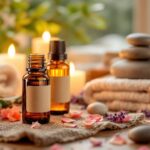
Here are gentle, versatile options that work well in most homes.
Lavender: Soothing and fabric friendly
Lavender essential oil is a laundry all star. It has antimicrobial properties, a soft herbal floral scent, and is gentle on fabrics. It is often recommended for bedding and even baby clothes because the aroma is calming and not too sharp.
Use lavender when you want:
- Bed sheets that help you wind down
- Baby blankets and sleepwear to smell soft and comforting
- Pajamas and loungewear to feel extra cozy
If you already use lavender in a diffuser or in essential oils for relaxation, keeping one bottle for both laundry and relaxation routines keeps your stash simple.
Lemon: Fresh and great for stains
Lemon essential oil is especially good at tackling odors and helping with greasy or food based stains. It leaves a sunny citrus scent that makes towels and workout gear feel freshly washed, even if they went a little too long in the hamper.
Use lemon when you wash:

- Kitchen towels and dishcloths
- Workout clothes and sports uniforms
- Cleaning rags that need odor help
Because lemon can act like a very mild bleach on some fabrics, you will want to keep it mostly for light colored loads or always dilute it well in detergent or water so you avoid any uneven lightening.
Tea tree and eucalyptus: For tough odors and towels
Tea tree and eucalyptus essential oils bring strong natural antimicrobial and deodorizing properties. That makes them favorites for loads that come in close contact with sweat, germs, or moisture.
Tea tree oil is often used on:
- Gym towels
- Kids sports clothes
- Pet blankets, if your vet is comfortable with it and items are rinsed well
Eucalyptus feels crisp and spa like, and it is lovely on:
- Bath towels
- Bedding
- Sheets and duvet covers during allergy season
You can also blend these with lavender or lemon to balance their strong herbal scent.
A quick starter set
If you want a tiny, realistic starter kit for essential oils in laundry, you can begin with:
- Lavender, for everyday soft scent and sleep
- Lemon, for kitchens and workout clothes
- Eucalyptus or tea tree, for towels and heavy odor loads
Once you feel comfortable with these, you can explore more oils through broader guides like essential oils for aromatherapy or essential oils diffuser blends.
Follow safety basics before you start
Essential oils feel harmless because they smell nice, but they are still potent. A safety first approach is especially important if you have kids, pets, asthma, or sensitive skin in your home.
Dilute, dilute, dilute
You almost never want to drip pure essential oil directly onto dry fabric. It can:
- Stain certain materials
- Irritate sensitive skin where clothes touch
- Damage some synthetic fibers over time
For laundry, safer options are to:
- Mix oils into liquid detergent or water
- Add them to white vinegar for a DIY fabric softener
- Use them on wool dryer balls in tiny amounts
General guidelines recommended in 2026 include about 4 to 5 drops of essential oil per regular load when added to detergent, and 2 to 3 drops per dryer ball used only in the cool down cycle of the dryer.
Avoid dryer heat cycles
Essential oils are flammable. That means you never want to add them directly to clothes or dryer sheets during the heated part of a dryer cycle.
If you use them in the dryer, apply oils only to:
- Wool dryer balls
- A damp washcloth
Then toss them in during the last 10 to 15 minutes, when the dryer is on low heat or in the cool down stage. This lets you scent your laundry without the same fire risk as using them through the entire hot cycle.
Watch for sensitive skin and allergies
If anyone in your home has very sensitive skin, eczema, asthma, or fragrance allergies, treat essential oils like any new body care product.
A few friendly ways to test:
- Start with one oil at a time, not a blend
- Use the smallest suggested amount on a load of towels or older clothing
- Check skin for any redness or itching after wearing
If you need more tailored ideas for specific conditions, you can explore focused guides like essential oils for allergies or essential oils for eczema, and always pair that with advice from your healthcare provider.
Use good quality oils
Not every bottle labeled “essential oil” is pure. Some contain synthetic fragrances or fillers that do not behave the same in laundry and may be more irritating.
Look for:
- Clearly labeled botanical names on the bottle
- No added fragrance or carrier oils if you want pure oil
- Transparent sourcing from the brand
You can learn more about what quality looks like in a general guide to therapeutic grade essential oils. Even if you do not need clinical grade oils for laundry, understanding labels helps you avoid cheap, mystery blends.
Add essential oils to your wash step by step
Here are simple, beginner friendly ways to use essential oils in the washing machine without overcomplicating your routine.
Method 1: Add to liquid detergent
This is the easiest and safest way to begin.
- Measure your regular dose of unscented or lightly scented liquid detergent.
- Add 4 to 5 drops of essential oil directly to the detergent in the cap or cup.
- Swirl or stir gently so the oil mixes into the detergent.
- Pour the mixture into the detergent compartment or directly into the drum, then wash as usual.
Lavender and lemon are both excellent in this method. The detergent helps disperse the oil in the wash water so it reaches all the fabrics evenly.
Method 2: Add to the rinse cycle
If you want scent on freshly washed clothes but do not want to mix it into your detergent, you can add oils to the rinse instead.
To do this:
- Fill the fabric softener or rinse compartment with white vinegar or water.
- Add 4 to 5 drops of essential oil to that compartment.
- Let the machine pull it in automatically during the rinse.
This helps reduce residue, since the oils meet already clean clothes in diluted form. It also gives a softer, more noticeable scent on the finished load.
Method 3: Pre treat stains with lemon
Lemon essential oil can help with greasy or food stains when you use it carefully.
- Blot as much of the stain as you can with a dry cloth.
- Mix a few drops of lemon essential oil into a teaspoon of liquid castile soap or mild dish soap.
- Dab this mixture onto the stain and gently rub with your fingers or a soft brush.
- Let it sit for 5 to 10 minutes, then wash as usual.
You may need to repeat this treatment on very stubborn stains. Avoid using lemon pre treatment on dark, very bright, or delicate fabrics until you have spot tested on a hidden seam.
Use essential oils in the dryer safely
The dryer is where clothes pick up a lot of their final scent. If you want that soft lavender sheets feeling, this is where essential oils can shine, as long as you work with the safety guidelines.
Wool dryer balls with oils
Wool dryer balls are a reusable alternative to dryer sheets that can help reduce drying time and static. They also act as a carrier for essential oils.
Here is a simple routine:
- Place 3 wool dryer balls in with a small load, or 5 to 6 for a large load.
- Dry the clothes as usual, without any oils on the balls for most of the cycle.
- In the last 10 to 15 minutes, pause the machine.
- Remove the balls, add 2 to 3 drops of your chosen essential oil to each ball, and let it soak in for a minute.
- Return the balls to the drum and run the dryer on low heat or cool down to finish.
This timing avoids exposing the oils to the hottest part of the cycle, which helps reduce fire risk.
Damp cloth scent booster
If you do not own dryer balls, a clean, damp washcloth can do similar work.
- Dampen a washcloth with water.
- Add 2 drops of essential oil and squeeze to help disperse.
- Toss it into the dryer for the last few minutes on low or cool.
This is a good way to test scents, since you can quickly switch to a new oil on your next load without committing your dryer balls to one aroma.
Try simple DIY laundry recipes
Once you feel comfortable using essential oils in basic ways, you can add a few homemade laundry helpers. These recipes are designed to be straightforward and budget friendly.
DIY laundry detergent with essential oils
A common powdered detergent base uses:
- Grated castile soap
- Washing soda
- Borax
To turn it into a scented version, you can add about 30 to 40 drops of essential oils to the full batch and mix thoroughly so the fragrance is even. For a larger 5 gallon style batch, 80 to 90 drops may be used. If your castile soap bar is already scented, you can skip extra oils.
Liquid versions often work in both high efficiency and traditional machines. One batch of homemade liquid detergent usually covers around 64 loads, which is roughly one month of laundry if you run two loads each day.
Shake the container before each use and plan on about 1/2 cup per load unless your recipe suggests otherwise.
DIY fabric softener with vinegar and oils
A simple fabric softener replacement can be made with:
- 2 cups white distilled vinegar
- 20 drops of essential oil of your choice
Stir or shake to combine and store in a glass bottle. Use 1/4 cup in the rinse compartment per load. The vinegar helps dissolve detergent residue and the oil adds scent.
Lavender and eucalyptus are both nice choices here, especially for bedding and towels.
Laundry “bombs” for easy use
If you like drop in convenience, you can make your own laundry bombs. Common ingredients include:
- Laundry soap shavings
- Washing soda
- Epsom salt
- A bit of vinegar
- Around 15 to 20 drops of essential oil for the whole batch
You mix, press into molds, let them dry, and then store in an airtight container. Toss one into the washer as it fills with water. This gives you a pre measured clean plus scent without measuring each time.
Homemade fragrance booster
To gently boost scent and softness, you can mix:
- Rock salt or coarse sea salt
- Essential oil, adjusted to your preferred strength
Salt helps soften fabric and carry scent through the wash. Use 1 to 2 tablespoons per load, added directly to the drum before clothes so it can dissolve evenly.
Match oils and blends to different loads
You do not need a special oil for every single type of laundry, but pairing scents to uses can make your routine feel more thoughtful and enjoyable.
For bedding and sleepwear
Here you usually want calm and comfort.
Try:
- Lavender alone
- Lavender with a drop of eucalyptus for a spa like feel
- Lavender with a hint of tea tree during cold or allergy seasons
If sleep is a challenge for you, you might also like to coordinate with a nighttime diffuser routine, for example with the guidance in best essential oils for sleep.
For towels and bath linens
Towels benefit from deodorizing and fresh, clean scents.
Try:
- Eucalyptus on bath towels
- Lemon and eucalyptus on kitchen towels
- Tea tree for gym towels and mats
Just remember to keep amounts small so towels do not feel coated and can still absorb water well.
For everyday clothes
For daily clothing, lighter scents usually work best, especially if anyone in your home is scent sensitive.
Try:
- 3 drops lavender and 1 drop lemon in the wash
- 2 drops peppermint and 2 drops lemon for a bright, energizing load
- A single oil in very low amounts for kids clothes, or skip oils entirely if anyone is reactive
If you use essential oils on your skin, for example in essential oils for skin care or essential oils for acne, you might want to keep laundry scents milder so they do not compete.
Create a low risk routine for sensitive households
If you live with asthma, migraines, or small children, it is completely valid to feel nervous about adding any new scent to your laundry. You can still enjoy essential oils with a few guardrails.
Start with fragrance light loads
Instead of using oils on everything, begin with:
- One set of sheets
- One batch of bath towels
- A small load of cleaning rags or older clothes
Use half the usual amount of essential oil and see how everyone feels after using those items for a day or two.
If headaches, coughing, or skin irritation appear, stop and talk with your healthcare provider before trying again.
If you already use oils on your body for issues like essential oils for headaches, essential oils for stress relief, or essential oils for nausea, consider matching the same familiar oils in laundry instead of introducing brand new scents.
Keep your oils and tools safe
A child safe laundry setup might include:
- Essential oils stored high and out of reach
- Bottles closed tightly and labeled clearly
- Wool dryer balls kept away from pets, so they are not treated as toys when scented
Remember that essential oils are not meant to be ingested. If a child or pet swallows any, contact poison control or your vet right away.
Know when to skip oils
There are a few loads where essential oils are better left out:
- Cloth diapers, since oils can build up and affect absorbency
- Flame resistant sleepwear, since any oil can change how fabric behaves
- Specialty performance wear that warns against fabric softeners or additives
Plain, unscented detergent is perfectly fine on these items. You can always bring your favorite oils back in on other loads like adult bedding or towels.
Keep your routine simple and enjoyable
You do not need an elaborate system to use essential oils for laundry every day. In fact, the friendliest routines are usually the simplest.
You might decide on a basic plan like this:
- Lavender in the washer for all bedding
- Lemon in the rinse for kitchen towels and workout clothes
- Eucalyptus on dryer balls just for bath towels
From there, you can experiment slowly, add a DIY recipe or two from broader essential oils recipes, and adjust amounts until the scent feels soft and natural rather than overwhelming.
If you are already using oils in other areas of your life, such as essential oils for cleaning, essential oils for massage, or essential oils for bathing, think of laundry as just one more gentle place to carry those same comforting scents into your home.
Start with your very next load. Add a few drops of lavender to your unscented detergent, wash your sheets, and pay attention to how your bedroom feels when you slip into bed that night. From there, you can build a laundry ritual that is safer, softer, and much more you.
FAQs
Can I put essential oils directly on clothes in the washer?
It’s better not to. Oils can spot-stain fabric and concentrate on areas that touch skin. Mix drops into liquid detergent or dilute in the rinse compartment instead.
How many drops of essential oil should I use per load?
Start low: 2–5 drops per regular load (total). If you want stronger scent, increase slowly—more isn’t always better for skin or breathing comfort.
Is it safe to use essential oils on wool dryer balls?
It can be, but use caution. Apply only a few drops, let it absorb, and avoid prolonged high heat. Fire services have warned that oily residues + heat can increase combustion risk.
Will essential oils replace detergent?
No. Think “scent + deodorizing boost,” not a full cleaning system—especially for heavy soil, sweat, or muddy loads.
What oils are best for sensitive skin or kids’ laundry?
Often lavender (lightly used) is the gentlest starting point, but sensitivity is individual. Patch-test via a small load and monitor skin/respiratory reactions.
Are essential oils dangerous for pets?
Some can be harmful, especially with exposure or ingestion. Keep oils stored securely and contact pet poison resources if exposure happens.
What should I do if a child swallows essential oil?
Treat it as urgent—contact Poison Control for guidance right away.
Why does my laundry scent disappear after drying?
Heat and airflow drive off aroma quickly. You’ll usually get more staying power by adding diluted scent in the rinse or a late, low-heat finishing step.