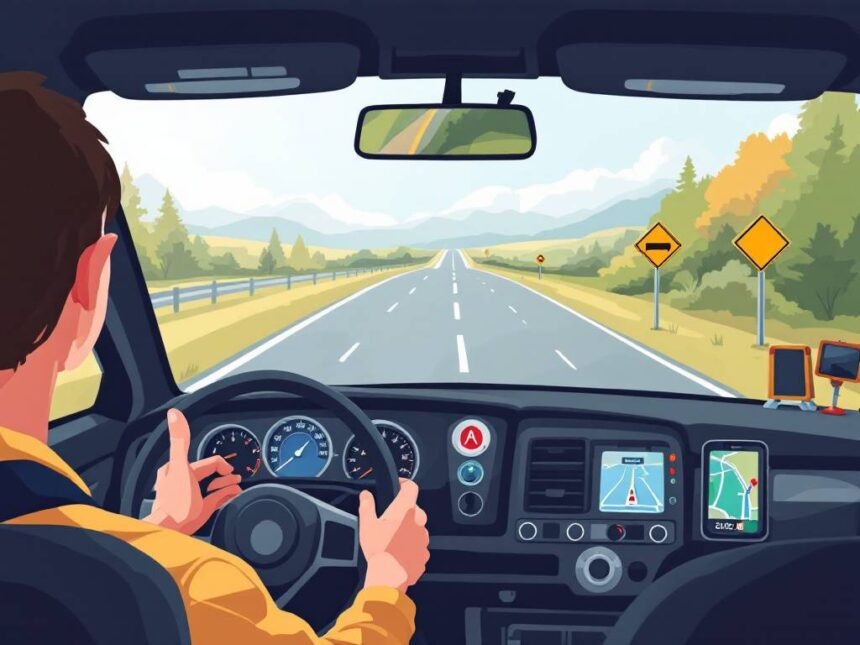
A smooth road trip or airport transfer is partly about planning, and partly about how you drive once you are on the road. With a few simple travel safety driving tips, you can reduce stress, protect the people in your car, and arrive with energy left for the fun part of your trip. This guide focuses on practical steps you can actually follow, from your first pre‑trip check to your last late‑night mile.
Start with a simple safety mindset
You do not need to become a professional driver to stay safe. You only need a basic routine you can repeat every time you travel.
Think of driving safety as one part of your overall travel safety guidelines. You plan your hotel, passport, and bags, so you can plan your car and your route in the same calm, methodical way. When you treat safety as a series of small habits, you are less likely to feel overwhelmed.
Do a quick pre‑trip vehicle check
Before a long drive, you want your car in good working order. A 10 minute walk around your vehicle can prevent hours on the roadside later.
Check your tires the right way
Tires are the only part of your car that actually touch the road, so they deserve attention.

- Look at each tire for bulges, cracks, nails, or obvious damage.
- Use a penny to check tread depth. Insert it with Lincoln’s head upside down. If you can see the top of his head, the tread is getting low and you should have the tire inspected.
- Use a pressure gauge when the tires are cold. Compare the reading to the PSI listed on the sticker inside the driver side doorjamb, not the number on the tire sidewall. Underinflation is the leading cause of tire failure, so adjusting pressure now is one of the simplest travel safety driving tips you can follow.
- Do not forget your spare. Make sure it is inflated and the tools to change a tire are present and reachable.
Look over fluids and basic systems
Even if you are not very mechanical, you can still spot obvious issues.
Open the hood in a safe place and look at fluid levels where you can see the markings. If you are unsure, your manual will show you where to look.
Priority fluids include:
- Engine oil
- Coolant or radiator fluid
- Brake fluid
- Power steering fluid
- Transmission fluid, if your car has a dipstick
- Windshield washer fluid
Topping off washer fluid before a trip is especially helpful because dirty glass amplifies glare at night.
Test your lights too. Turn on headlights, high beams, brake lights, turn signals, and hazard lights and confirm that everything works. Good lighting helps other drivers see you and is a key part of safer night driving, especially since about half of all traffic fatalities happen after dark according to the National Safety Council.
If anything looks or feels off, or you are heading out on a very long drive, schedule a pre‑trip check with a trusted mechanic to inspect brakes, battery, wipers, and air conditioning.
Prepare for heat and summer driving
If you are driving in warm weather, heat is more than just an inconvenience. It can create real risks inside the vehicle and under the hood.
Protect passengers from heat
The National Highway Traffic Safety Administration advises checking your air conditioning performance and your cabin air filter before summer travel, especially if you will have children or older adults in the car. A well working AC system and clean filter help keep the cabin cooler and more comfortable.
Never leave children, older adults, or pets alone in a parked vehicle, even for a few minutes. Heatstroke is a major summer risk. A child’s body temperature rises three to five times faster than an adult’s, and car interiors can reach deadly temperatures even when it is only about 60 degrees outside. If your plans include quick stops, build in time for everyone to get out of the car with you.
Watch for heat damage under the hood
High temperatures speed up wear on rubber parts. Before you leave, visually inspect belts and hoses for bulges, cracks, fraying, or soft spots. If anything looks worn, have it replaced so you are less likely to face a breakdown in the heat.
Pack a realistic roadside emergency kit
A small, well thought out kit can turn a minor problem into a simple delay instead of a crisis.
Consider including:
- First aid supplies
- Bottled water and nonperishable snacks
- Flashlight and extra batteries or a headlamp
- Phone charger and backup power bank
- Basic tools and duct tape
- Jumper cables or a portable jump starter
- Tire changing kit and tire inflator or sealant
- Reflective triangles or road flares
You can use a more detailed travel safety checklist to round out your kit. Store everything where you can reach it from the driver seat or trunk without unloading your whole car.
Organize documents and backup plans
Having your paperwork in order removes a lot of stress if something unexpected happens.
Keep these items together in your glove box or a small folder:
- Driver license
- Vehicle registration
- Proof of insurance
- Roadside assistance card or membership
- Any rental car paperwork if you are not driving your own vehicle
Confirm that your travel safety insurance details are up to date, including phone numbers to call if you are in an accident or need a tow. If you are driving as part of a bigger international trip, review related travel security advice so you know who to contact in different types of emergencies.
Share your basic route and estimated arrival time with someone who is not traveling with you. It is a simple layer of travelers safety and security that costs nothing and adds peace of mind.
Plan your route and driving schedule
You do not need a minute by minute itinerary, but a loose plan will help you avoid drowsy driving and rushed decisions.
Build in stops from the start
Long stretches behind the wheel are tiring even if you enjoy driving. Aim to stop every 2 to 3 hours to use the restroom, stretch, and drink water. This is especially important on multi day trips, when fatigue can sneak up on you.
Drivers on long trips should generally limit time behind the wheel to 4 to 7 hours per day when possible. If you are sharing driving duties, switch drivers every few hours so everyone stays alert.
Each fuel or rest stop is also a chance to walk around the car, check for low tires, and clear bugs or grime from your windshield and headlights.
Check weather and traffic ahead of time
Before you leave, glance at the forecast for your entire route, not only the starting point and destination. Pack layers, sunglasses, and rain gear so you can adapt to changing conditions instead of pushing through with poor visibility or discomfort.
Have at least two navigation options. A phone app is convenient, but printed directions or downloaded offline maps are a useful backup in areas with weak signal. If you are flying, consider pairing these steps with your airport security tips routine so your whole journey feels organized from door to door.
Follow core safe driving habits
Technology and planning are helpful, but your behavior behind the wheel matters most. A few steady habits make the biggest difference.
Keep your focus on the road
Distractions are one of the most common causes of crashes. During a trip, it is tempting to text updates, scroll for new music, or eat while you drive, especially on long, straight highways.
To cut down on distractions:
- Put your phone in driving mode so calls and texts are silenced or auto replied.
- Set your playlist and GPS destination before you shift into drive.
- Ask a passenger to handle navigation, climate controls, and messages when possible.
- Pull over if you need to respond to something urgent.
If you feel your attention drifting, open a window for fresh air, adjust your seat position slightly, or stop at the next safe exit to walk for a few minutes.
Respect speed and following distance
Speed limits are set for ideal conditions. At night or in bad weather, you should drive slower than the posted limit because visibility and traction are lower.
The National Safety Council notes that your headlights only let you see about 250 feet ahead with low beams and about 500 feet with high beams at night. That shorter “visual range” means you have less time to react, especially at higher speeds.
Leave extra space between you and the car in front of you, particularly in rain or snow. A good rule is to allow at least 3 seconds in clear daylight and increase to 5 or more in poor conditions.
Never drive impaired or overly tired
Alcohol, some medications, and recreational drugs reduce your reaction time and judgment. Impaired driving is responsible for a large share of traffic fatalities, especially at night and on weekends.
Fatigue can be just as dangerous. The National Transportation Highway Safety Administration reports that around 100,000 police reported crashes each year involve drowsy driving, often between midnight and 6 a.m. and in the mid afternoon. Drivers who are tired are about three times more likely to be in a crash.
Get at least 7 and a half hours of sleep before a big drive. If you find yourself blinking often, missing exits, or drifting in your lane, pull over at a safe place and rest. Coffee helps you feel more awake for a short time, but it does not replace sleep.
Adjust your habits for night driving
Even if you prefer to travel during the day, sometimes late arrivals or early departures are unavoidable. Night driving carries extra risks, especially after daylight saving time ends when more of your commute may happen in the dark.
Use your lights wisely
When there is no oncoming traffic, you can safely use high beams to see roughly twice as far ahead, about 500 feet compared to 250 to 300 feet with low beams. Switch back to low beams when other cars approach so you do not blind them.
Keep your windshield clean inside and out. Dust and streaks catch and spread light from oncoming headlights, which increases glare. Replacing worn wiper blades and using quality washer fluid will also improve your view in the rain.
If glare still bothers you, look slightly toward the right edge or center markings of the road instead of straight into the lights of oncoming vehicles. This simple shift protects your night vision and reduces eye strain.
Slow down and simplify
Depth perception, color recognition, and peripheral vision are all reduced at night, which makes it harder to judge curves and distances. Older drivers, especially those over 50, may find night driving more tiring or stressful.
You can compensate by:
- Reducing your speed below the limit if visibility is poor
- Avoiding unnecessary lane changes
- Increasing following distance
- Asking another licensed driver to take over if you feel uncomfortable
If you are planning a long trip and know that nighttime driving is hard for you, consider tailoring your schedule to daylight hours. This is particularly relevant for travel safety for seniors.
Make special plans for kids and pets
Traveling with children or animals adds joy and complexity. A bit of extra planning keeps everyone safe and calmer.
Seat belts and child seats
Every person in the vehicle should be properly buckled up, every time, even for short drives. Set this expectation at the start of the trip so it becomes nonnegotiable.
Make sure car seats and booster seats are correctly installed and appropriate for each child’s age, height, and weight. If you have not checked in a while, review the latest instructions or have a professional inspection before your trip.
Seat belts should lie across the chest and lap, not the neck or stomach. Take a moment at each stop to confirm that nothing has shifted.
Safer travel with pets
Pets should ride in the back seat, secured in a carrier or with a crash tested harness. A loose pet in the front seat can be injured by airbags or become a dangerous distraction.
Stop at least every two hours so your dog or cat can drink water, stretch, and use the bathroom. Never leave pets alone in a parked car, especially in warm weather. Even with the windows cracked, temperatures can rise quickly to dangerous levels.
If you are booking hotels, confirm that they are pet friendly and note any rules or fees ahead of time. This fits well with a broader plan for travel safety and health so your whole group stays comfortable.
Connect driving safety with overall travel safety
Your time behind the wheel is only one part of your trip. Many of the same habits that keep you safe while driving also support security in airports, hotels, and new cities.
- Use travel safety apps or travel security technology that can share your location with trusted contacts, store emergency numbers, or provide offline maps.
- Combine your driving plan with steps from how to stay safe while traveling, so you think about neighborhoods, cash, and documents in the same practical way.
- If you are going abroad where road rules and signs may be different, read up on traveling abroad safety tips and local driving regulations before you get behind the wheel.
For solo travelers, especially women, it can be helpful to layer on advice from travel safety for women, safe solo travel tips, or travel safety tips for solo female travelers. These resources cover topics like choosing safe rest stops, handling unwanted attention, and trusting your instincts if a situation does not feel right.
What to do if something goes wrong
Even with good planning, flat tires, minor collisions, or sudden illnesses can still happen. Having a simple plan makes it easier to stay calm.
If your car breaks down:
- Turn on your hazard lights.
- Steer to the right shoulder or a safe, visible spot away from traffic.
- Use reflective triangles or flares if you have them and it is safe to place them.
- Stay inside the vehicle with seat belts on if you are on a busy highway, unless officials direct you otherwise.
- Call roadside assistance, your insurer’s emergency number, or local authorities as needed.
If you are in a crash, first check for injuries and call emergency services. Exchange information with other drivers, take photos if you can do so safely, and contact your insurance provider. It can help to keep a brief printed checklist in your glove box so you do not have to rely on memory in a stressful moment. You can pair this with your emergency travel safety tips so you are better prepared in any destination.
Put your travel safety driving tips into action
You do not need to overhaul everything at once. Start with one or two habits you can add to your next trip, such as:
- Doing a 5 minute tire and light check before you leave
- Planning rest stops every 2 to 3 hours
- Cleaning your windshield and headlight covers at each fuel stop
- Storing your documents and emergency kit in a dedicated spot in your car
Over time, these small steps become automatic, just like buckling your seat belt. Combined with broader travel safety tips and travel security best practices, they help you create a simple, reliable system that makes every trip feel more relaxed.
With a bit of preparation, you can spend less energy worrying about what might go wrong on the road and more energy enjoying where you are headed.
FAQs
What’s the fastest pre-trip safety check I can do before a long drive?
Do a 10-minute loop: tires (damage + cold pressure), lights (headlights/brakes/signals), windshield (clean + washer fluid), and a quick glance for leaks or warning lights. Tire pressure should match the door-jamb label.
Is the “penny test” for tire tread reliable?
It’s a quick rule of thumb, but it’s not perfect. For better accuracy, use a tread gauge and replace tires when tread is low or wear is uneven. If you see cracking/bulges, get a professional inspection.
How often should I stop on a road trip to avoid fatigue?
A practical baseline is every 2–3 hours for water, stretching, and a quick alertness check. If you feel drowsy (heavy blinking, drifting, missed exits), stop immediately and rest.
Why is summer heat a bigger risk than people think?
Cars heat up fast, and even mild outdoor temps can become dangerous. NHTSA warns that kids can die in a hot car even on a 60°F day and children heat up faster than adults.
What’s the safest way to travel with pets in a car?
Secure pets in the back seat using a crash-tested carrier or harness system. This reduces driver distraction and helps protect the pet during sudden stops or crashes.
What should I do if my car breaks down on a highway?
Turn on hazards, move to the right shoulder if possible, stay visible, and call for help. Follow Move Over laws when approaching vehicles with flashing/hazard lights—slow down and change lanes when safe.
How can I make night driving feel less stressful?
Slow down, increase following distance, keep glass clean to reduce glare, and use high beams only when you won’t blind others. Visibility is limited even with headlights.