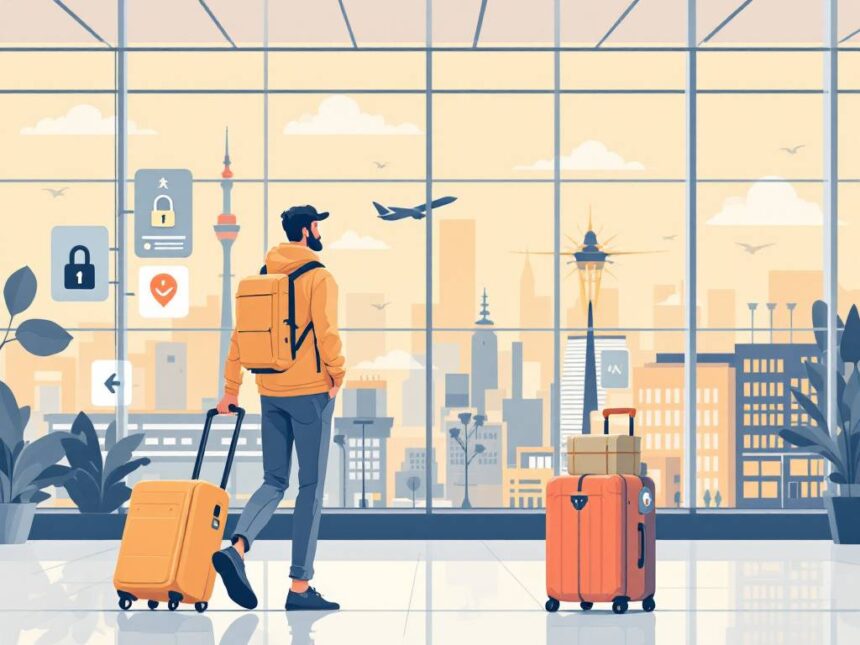
A solo trip can be one of the most rewarding things you ever do. It can also stir up a lot of questions about how to stay safe while traveling on your own. The goal is not to scare yourself out of going, but to give yourself a simple, reliable plan so you can relax and enjoy the experience.
Below you will find practical, step by step ideas you can use before you leave, at the airport, in transit, and on the ground so you feel prepared instead of anxious.
Start with a simple safety plan
Before you book anything, give yourself a basic travel safety framework. This will guide your decisions and reduce last minute stress.
Think about three questions:
- How will you prevent problems.
- How will you get help if something goes wrong.
- Who will know where you are and how to reach you.
Your plan might include:

- A short list of emergency contacts, both at home and at your destination
- Basic travel safety insurance that covers medical care and emergencies
- A secure way to store and access copies of your ID and important documents
- A check in routine with someone you trust at home
You can build on this simple foundation with more specific travel safety guidelines, but having these basics in place already puts you ahead of many travelers.
Research your destination with safety in mind
Good research is one of the easiest ways to stay safe while traveling solo. You are not trying to memorize every detail, just to understand the general landscape.
Check official advisories and local norms
Start with objective information. Look at government Travel Advisories for your destination to understand political issues, crime hotspots, or common scams. These advisories are also where you learn about crisis and disaster risks, from hurricanes to civil unrest.
If you are a U.S. citizen, consider registering your trip in the Smart Traveler Enrollment Program (STEP). It lets the local U.S. embassy or consulate email you security updates and contact you, or your emergency contacts, if there is a crisis where you are staying. The program is designed to help you stay informed and connected if the unexpected happens.
Next, research local customs and everyday norms:
- Typical dress in cities versus rural areas
- How locals usually get around at night
- Common etiquette in restaurants, markets, and religious sites
This kind of travel security awareness helps you blend in and avoid drawing unnecessary attention.
Understand common risks and scams
Every destination has its own flavor of petty crime and tourist scams. The goal is not to be paranoid, but to recognize patterns so you do not freeze or panic if something feels off.
It helps to read about common travel security risks and specific advice like how to avoid travel scams. For example:
- Taxi drivers who do not turn on the meter or who take long detours
- “Free” prize or vacation offers that require you to pay taxes or fees up front
- Aggressive street vendors who distract while an accomplice pickpockets you
Scammers often use urgency and confusion. If you catch yourself thinking, “Is something not right here,” pause. That small moment of reflection can give you time to step away and protect yourself.
Share your itinerary and backups at home
Traveling solo does not mean no one knows where you are. Sharing a simple outline of your trip with someone you trust is one of the most effective safety steps you can take.
Include:
- Flight numbers and arrival times
- Accommodation names, addresses, and phone numbers
- Any tours or long day trips you have booked
- Copies or photos of your passport and travel insurance details
Agree on how often you will check in and what to do if you miss a check in. For instance, “If I do not respond within 24 hours, call the hotel and then the airline.”
If you are going somewhere with potential instability, it is especially important to know that in a crisis the U.S. government cannot provide in country transportation and any evacuation they organize usually only takes you to a nearby safe place. After that, you arrange your own lodging and onward travel and you must generally reimburse evacuation costs. Planning ahead and staying in touch with people at home makes it much easier to make decisions quickly if a situation deteriorates.
Prepare your health and immune system
Your health is a core part of travel safety. Feeling run down or sick makes you more vulnerable to both illness and poor decisions.
Boost your defenses before you go
In the weeks before your trip, focus on basics:
- Sleep as regularly as you can
- Eat a balanced diet with plenty of fruits and vegetables
- Make sure you are up to date on routine vaccines and any recommended shots for your destination
Nutrients like vitamin C, vitamin D, zinc, and selenium play a role in immune function, and many frequent travelers support their immune systems with a mix of diet and supplements. If you are considering supplements, talk to a healthcare professional so you choose options that fit your needs and medications.
Washing your hands frequently with soap and water is one of your strongest defenses against getting sick. Pack a small bottle of hand sanitizer with at least 60 percent alcohol as a backup, especially for times when a sink is not nearby. Hand sanitizer is an extra layer, not a replacement for proper handwashing.
Plan for food and water safety
Food is part of the joy of travel, but it is also one of the most common sources of illness. You do not have to avoid everything, just make a few careful choices, especially in higher risk regions.
Whenever you can, choose:
- Restaurants that look clean and busy with local customers
- Meat that is cooked through and served hot, or skip meat if local advice suggests it
- Fruits with thick skins that you peel yourself if you are uncertain about washing practices
Prepared foods at markets or street stalls can be riskier outside places with stricter hygiene standards, such as some parts of Europe. If something looks like it has been sitting out for a long time, it is reasonable to skip it.
If you develop mild diarrhea, assume that it can happen and focus on staying hydrated. A bland diet of bread, rice, bananas, clear soup, and tea often helps. Avoid anti diarrheal medicines if you also have a high fever or blood in your stool and seek medical care if symptoms are severe or do not improve.
For a deeper overview, you can explore travel safety and health to see how illness prevention fits into your bigger safety plan.
Move, hydrate, and rest while you travel
How you treat your body while you are in transit has a big impact on how safe and alert you feel when you arrive.
Stay active and protect circulation
Long flights and bus rides can leave you stiff and sluggish. To keep your blood flowing:
- Walk the aisle when the seatbelt sign is off
- Flex and point your ankles regularly while seated
- Avoid crossing your legs for long periods
- Take short standing breaks at least once an hour when possible
If you have higher risk factors for blood clots, consider compression socks on long haul flights. Travel experts who spend long stretches in the air, including between Europe and India, often combine compression socks, regular walking, and ankle exercises to help reduce clot risk and swelling.
Hydrate wisely and eat light
Airplane cabins are dry, which makes dehydration and bloating common. Aim to drink about eight ounces of water every hour you are in the air. Orange juice without ice is another good option, since the extra fluid and vitamin C can help offset the dry environment.
Try to:
- Eat light meals before and during flights
- Avoid very salty or sugary snacks
- Delay coffee and alcohol until close to the end of the flight
These habits help you arrive feeling clearer and less weighed down, so you are better able to make smart safety decisions when you land.
Protect your sleep and fight jet lag
Good sleep is one of your best safety tools. It boosts your mood, sharpens your awareness, and supports your immune system.
For long flights, prioritize rest:
- Use a neck pillow that supports your chin so your head does not flop forward, which many flight attendants say helps you sleep longer with fewer aches
- Try guided meditation or relaxation apps to wind down in your seat
- If you already use natural aids like melatonin at home, you can consider bringing them for flights, but check with a doctor first and follow local regulations
Once you arrive, your jet lag strategy can depend on how long your trip is and how your body handles time changes. If you are staying fewer than about 32 hours, you may feel better sticking roughly to your home time instead of forcing a quick shift. For longer trips, it often helps to pay attention to when you actually feel hungry or tired instead of eating and sleeping only because the local clock says so. Gradual adjustment usually feels better than an abrupt flip.
Keep your digital and airport security tight
Solo travel often means you rely heavily on your phone for maps, payments, and communication. A few simple habits can protect you at the airport and online.
Be deliberate at the airport
Airports can feel hectic, which makes them a target rich environment for petty theft. Slow yourself down and follow basic airport security tips:
- Keep your passport, boarding pass, and primary card in a secure, zipped pocket
- Use a bag that closes completely and carry it in front of you
- Do a quick “phone, wallet, passport” check each time you stand up and move
If you are ever approached with an offer that feels strangely urgent, such as a last minute “free upgrade” or tour that requires payment up front, give yourself permission to step aside, breathe, and verify the offer at a staffed, official counter.
Protect your devices and data
Public Wi Fi networks are convenient but they can expose your data if you are not careful. As part of your broader travel security technology habits, you can:
- Use a VPN when accessing financial accounts or sensitive information
- Turn off automatic connection to open Wi Fi networks
- Use strong screen locks and enable “find my device” features
- Back up important data before you leave home
Avoid entering card details on unfamiliar websites or apps that you installed only after arriving. If you are unsure, wait until you can use a trusted connection or skip the purchase.
Guard your money and documents
You do not have to hide everything, but you do want to make it harder for a thief to get everything at once.
Separate and secure your valuables
A simple system can dramatically reduce the impact of theft:
- Keep a small amount of “daily cash” in an easy to reach wallet
- Store extra cash and backup cards in a money belt, neck pouch, or locked bag
- Leave one copy of important documents, like your passport, with someone at home and another copy in your email or cloud storage
By separating your valuables across several places, you still have access to something if a bag or wallet goes missing. This approach is at the heart of many travel security best practices.
Surveys suggest that a surprising number of travelers, especially men, do not use any system at all to protect their valuables. You do not need anything fancy. Even two separate hiding spots and a simple routine can put you in a far safer position.
Reduce your pickpocket profile
Popular cities in Europe and beyond have seen rising complaints of pickpocketing, especially in crowded tourist areas. You can lower your risk by:
- Wearing muted clothing and avoiding flashy jewelry and watches
- Keeping phones and wallets out of back pockets
- Carrying bags with thick straps and wearing them across your chest
- Staying alert during crowd surges, like boarding trains or watching street performances
Distraction is a common tactic. If someone bumps you, surrounds you with a group, or insists on putting something in your hand, instinctively check your bag zippers and pockets.
If you are looking for gear ideas, explore travel safety gear to see options like anti theft bags and portable safes and how they fit into your own style.
Choose safer transport and tours
Transportation choices affect both your safety and your comfort level in a new place.
Use reputable providers and agree on prices
When you book taxis, shuttles, or tours, it is worth paying a bit more for reliability. Choosing established, brick and mortar tour companies and booking directly through them reduces the risk of scams and makes it easier to get support if something goes wrong.
Before you get into a taxi or confirm a tour, agree clearly on the price or make sure the meter is on. This simple step helps prevent “surprise” fees, long detours, and pressure to pay more at the end.
Be cautious when sharing exact pick up locations or hotel details with unverified contacts. In one reported case, thieves used information from a stolen tour company phone to show up early for a shuttle pickup and steal from travelers. If a change to your plans seems odd or last minute, pause and verify details directly with the company through their official contact channels.
Stay aware on public transit
On buses, trains, and subways, keep your bag in front of you and a hand on the zipper. If you are traveling late at night, stand near other passengers and close to the driver or at the center of the platform rather than at the far ends.
In crowded vehicles, avoid showing expensive phones or cameras more than necessary. Take out what you need, then put it away again.
Pick smarter accommodations and room habits
Where you sleep should feel like a safe base, especially when you are on your own.
Book with safety in mind
When you compare hotels, hostels, and rentals, look for:
- A staffed reception or security presence
- Clear reviews that mention safety and neighborhood feel
- Reliable locks on doors and windows
Vacation rental scams can include both hijacked listings and totally fake properties. When you use rental platforms, verify the property’s address and owner or company by searching online and, if possible, checking the rental company’s own website. Never pay in ways the platform warns against.
You can deepen your routine with more specific hotel safety tips for travelers, but even a quick safety check before booking will filter out many risky options.
Set up your room thoughtfully
Once you arrive:
- Lock doors and windows whenever you are in the room
- Use the room safe for passports, extra cards, and backups
- Keep a small “grab and go” bag ready with essentials, such as your phone, wallet, and a copy of your passport
If the building’s fire exits are not obvious, take a moment to note the nearest stairwell and count the doors between your room and the stairs. In an emergency, this small detail can help you move faster and more confidently in low visibility.
Protect your personal safety day to day
Most of your trip will probably feel normal and enjoyable. A few consistent habits can help you stay that way.
Listen to your instincts and set boundaries
You are allowed to say no, walk away, or change your plans at any time. If a street, bar, or invitation feels off, trust that feeling. Ask yourself, “Would I do this at home” and if the answer is no, reconsider.
Regular personal safety for travelers ideas include:
- Sticking to well lit streets and busier areas at night
- Limiting how much alcohol you drink, especially when you are alone
- Letting someone know where you are going and when you expect to return
If a conversation with a stranger begins to feel pressured, a simple “I am meeting a friend now, I have to go” works in almost every language and social setting.
Manage masks and hygiene in crowded spaces
If you have a suppressed immune system or will be spending long periods in very crowded indoor spaces, consider wearing a face mask in places like planes, subways, or packed buses. Many travelers now treat mask use abroad the same way they do at home, especially during high illness seasons.
Combine that with your handwashing and sanitizer habits, and you reduce your chance of picking up something that could derail your trip.
Avoid common scam patterns
Scams are an annoyance more than a danger most of the time, but they can still ruin a day and drain your budget.
Recognize “too good to be true” offers
Online and phone based scams around travel are common. Some red flags include:
- “Free” vacations that require you to pay fees or taxes before you can claim the prize
- Robocalls offering amazing deals when you never gave permission to be contacted
- Offers to “improve your odds” in a visa lottery or to get you special visa access for a fee
Official government websites are your safest source for visas and passports. Imposter sites may charge high fees for services that are actually free or for services that do not exist at all. The U.S. Department of State notes that only two organizations in the United States, AAA and the American Automobile Touring Alliance, are authorized to issue International Driving Permits. Buying from anyone else can leave you with a worthless document and potential legal trouble.
Vacation rental scams can also be expensive. Take time to verify the listing’s details through independent searches and stick to communication and payment tools approved by the platform.
For more patterns to watch out for, explore focused resources on travel security advice and how to avoid travel scams.
Prepare for emergencies and “what ifs”
You will probably never face a major crisis when you travel, but thinking through a few scenarios ahead of time can make you much more confident.
Know who to call and what to do
Before you leave, save:
- Local emergency numbers for police, medical help, and fire services
- Your country’s embassy or consulate contact details
- Your travel insurer’s emergency line
If something serious happens, local authorities are usually your best first call for immediate help. Embassies can assist with lost passports, legal issues, or contacting family, and in some cases U.S. embassies can help arrange loans for essential expenses if you are truly stuck. However, you are responsible for paying back those costs, including any evacuation the government arranges.
In unsafe situations where you can leave on your own, do so as quickly as possible instead of waiting for an official evacuation that may never come. Your personal judgment on the ground is important.
If you lose your passport or have it stolen, head to the nearest embassy or consulate with your ID copies and a passport photo if you have one. This is where your early planning and document backups really pay off.
You can walk through more scenarios with resources like emergency travel safety tips and a printable travel safety checklist so you feel ready instead of overwhelmed.
Tailor safety steps to your travel style
Your personal risks and needs are not exactly the same as anyone else’s. It helps to customize your plan.
If you are a woman traveling alone, you might want to layer in advice from travel safety for women and travel safety tips for solo female travelers. Backpackers, students, seniors, and road trippers will each find specific ideas in resources like:
- Travel safety for backpackers
- Travel safety for students
- Travel safety for seniors
- Travel safety driving tips
If you are planning a solo trip in particular, safe solo travel tips and traveling-abroad safety tips can help you see how to adapt all of these general guidelines to your own comfort level.
Solo travel safety is not about removing all risk. It is about adding enough layers of protection and awareness that most problems never start, and the ones that do stay small and manageable.
Put it all together in a short routine
To make this easy to use, turn the ideas above into a few simple habits you follow every trip:
- Before you book, scan official advisories, pick reputable transport and stays, and sort your travelers safety and security basics like insurance and document copies.
- The week before you leave, pack your travel safety gear, set up your check ins, and review your travel security precautions.
- In transit, move and stretch, hydrate consistently, and guard your sleep.
- On the ground, secure your room, separate your money, trust your instincts, and stay aware of your surroundings without letting fear run the show.
If you want a single place to start, use a ready made set of travel safety tips and a travel safety checklist. Add or remove steps until the routine feels realistic for you.
You do not need to do everything at once. Try adding one or two new safety habits on your next trip, then build from there. With each journey, you will find your own balance between feeling prepared and feeling free.
FAQs
What is the #1 rule for staying safe while traveling solo?
Keep a repeatable system: share your plan, secure essentials (phone/wallet/passport), and avoid high-risk situations you wouldn’t choose at home.
Should I share my location when traveling alone?
Share your itinerary and check-in schedule with one trusted person. Avoid sharing real-time details publicly (especially on social media).
Is STEP worth it for U.S. travelers?
Yes. STEP is a free service that can send embassy/consulate updates and helps the embassy contact you or your emergency contacts in a crisis.
How do I avoid getting sick from food and water abroad?
Choose hot, freshly cooked food; use safe drinks; and prioritize handwashing. Alcohol hand sanitizer (≥60%) is a backup when soap/water isn’t available.
How can I reduce risk on long flights or bus rides?
Move and flex your legs regularly; walk when possible; and talk to your clinician about compression stockings if you have risk factors.
Is public Wi-Fi safe for solo travelers?
Treat it as “convenient but risky.” Disable auto-connect and use extra protections (like a reputable VPN) when you must use public networks.
What should I do if my passport is stolen?
Use your stored copies, file a local report if required, and contact your nearest embassy/consulate to begin replacement steps. (Your backups make this dramatically easier.)