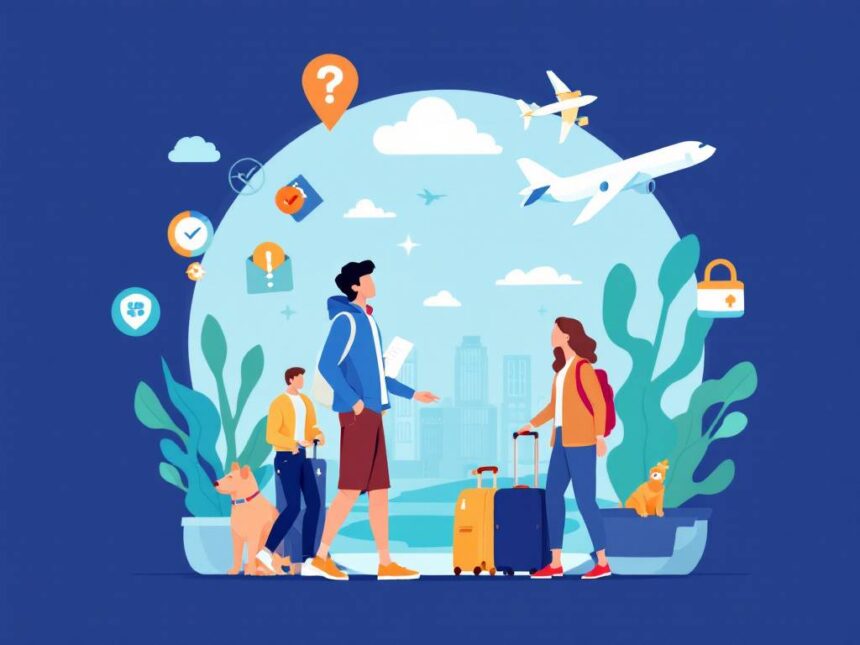
A little preparation goes a long way toward staying safe overseas. With a few practical traveling abroad safety tips, you can feel more relaxed, focus on the experience, and still have solid backup plans if something goes wrong.
Below, you will find a simple, step by step approach you can follow before you leave, while you travel, and if an emergency does come up.
Start with smart pre‑trip research
Good travel safety starts before you ever zip your suitcase. A bit of homework now can prevent avoidable problems later.
Begin by checking the official Travel Advisory and country information for your destination from the U.S. Department of State. You will find alerts about local safety concerns, entry requirements, local laws, and tips from the nearest U.S. embassy or consulate, all in one place. Reviewing this early helps you avoid surprise restrictions, unsafe regions, or protests that could affect your plans.
The American Red Cross also recommends learning what natural disasters your destination is prone to, such as earthquakes, typhoons, floods, or wildfires, and how local officials communicate during emergencies. Knowing whether alerts arrive via sirens, text messages, or local radio gives you a head start if something happens.

As you research, keep a running digital note with:
- Emergency numbers for police, fire, and medical help
- Address and phone number of your country’s embassy or consulate
- Basic local laws that differ from home, for example alcohol rules, dress codes for religious sites, or photography restrictions
You can build this into your own reusable travel safety checklist, then simply update it for each new trip.
Share your plans and key details
If something interrupts your trip, you want people back home to know where you are supposed to be and how to reach you.
Share a simple document with a trusted family member or friend that includes:
- Your flight numbers and dates
- Your lodging details for each stop
- A rough outline of your itinerary
- Copies of your passport and travel insurance information
- An out of area emergency contact, in case local phone lines fail
The American Red Cross suggests having a contact who lives in a different region than you, since local communication can go down in a disaster while long distance calls still work.
If you are traveling internationally, enroll in the State Department’s Smart Traveler Enrollment Program, also known as STEP. It is a free service that lets the nearest U.S. embassy email or text you about emergencies or security updates, and makes it easier for officials to contact you in a crisis.
These simple travel security best practices give you a built in support system even when you are far from home.
Use alerts, apps, and travel tech wisely
Your phone can be one of your most valuable safety tools if you set it up ahead of time.
Turn on government and weather alerts before you leave. In the United States, that usually means enabling wireless emergency alerts in your phone settings. The American Red Cross also recommends downloading its free Emergency app for near real time weather alerts, shelter locations, and safety guidance in English or Spanish.
Beyond that, a few thoughtful choices in travel security technology can make your life easier:
- Offline maps for each city
- A reputable messaging app that works on Wi‑Fi
- A password manager instead of a notebook of logins
- Authenticator apps instead of SMS codes when possible
You can also explore dedicated travel safety apps that provide location check ins, local risk alerts, and secure document storage. The key is to set them up and test them before you leave, so you are not trying to install something important on a slow airport connection.
Protect your documents, money, and devices
Losing a passport, wallet, or phone can quickly turn a fun trip into a stressful one. A few habits can lower your risk significantly.
Start by making digital and paper backups:
- Scan or photograph your passport photo page, visa, and credit cards
- Store copies in secure cloud storage and email them to yourself
- Leave printed copies with someone you trust at home
Next, think about how you will carry and access money. Many experts advise carrying some local currency for small purchases, and using credit cards for larger ones so you can dispute fraudulent charges if needed. Guidance from a 2024 American Express article suggests mixing payment methods and watching card activity regularly so you can spot suspicious charges quickly.
To keep your money and devices safer as you move around, lean on practical traveling safety measures:
- Keep your passport and an emergency card with you, but store spare cards and cash separately
- Avoid showing large amounts of cash in public
- Use a simple crossbody bag or money belt that zips securely
- Lock your phone with a PIN or biometric ID, and enable “find my device”
If you are working on the road, combine these basics with specific travel security advice for laptops and work devices, such as using a VPN on public Wi‑Fi and locking your screen whenever you step away.
Choose safer flights, rides, and road plans
Transportation is one of the biggest sources of travel security risks, especially when you are tired or rushing. A few extra checks around flights and driving make a big difference.
For flights and airport time, build safety into your routine. Confirm your ride’s license plate before you get in, keep your bag closed and in front of you, and avoid leaving electronics unattended while you grab coffee. You can fold these habits into your regular airport security tips so they feel automatic.
If you plan to drive, the U.S. Department of State maintains country specific advice on road safety, common hazards, and whether an International Driving Permit is required. Many countries accept an IDP, but some do not accept a U.S. license alone, so you may need an IDP to drive legally. Since the Department of State only authorizes AAA and the American Automobile Touring Alliance to issue legitimate IDPs, avoid websites selling unofficial permits that can get you into legal trouble.
Before you go, review:
- Whether your license is valid in that country
- Whether you need an IDP
- Local driving norms such as driving on the left, roundabout rules, or informal lane use
You can dig deeper into best practices with focused travel safety driving tips, especially if you plan to rent a car in more rural or high traffic areas.
Pick and use lodging with safety in mind
Your hotel or vacation rental is your home base, so it is worth taking a few minutes to evaluate safety before you book, and again when you arrive.
The U.S. Department of State encourages travelers to think about lodging safety ahead of time, including the neighborhood, building security, and fire safety features. When you are comparing options, look for:
- Clear, recent photos of the building, exits, and rooms
- Reviews that mention security, lighting, and responsiveness
- Smoke alarms and, ideally, carbon monoxide detectors
Vacation rental scams are surprisingly common. To avoid them, federal agencies suggest verifying the property address, owner, and rental company independently, instead of trusting a single listing. Searching the address along with the owner or company name and checking the company’s official website can help you confirm that the listing is legitimate.
When you arrive, walk yourself through a short safety check, just like you would follow basic hotel safety tips for travelers:
- Find at least two routes out of the building in case of fire
- Spot the nearest fire alarm and fire extinguisher
- Confirm smoke and carbon monoxide detectors are installed and working
- Use the room deadbolt and privacy latch, and consider a small doorstop for extra peace of mind
These quick steps take only a few minutes, but they give you a mental map to rely on if there is a late night fire alarm or evacuation.
Pack a lean, safety focused kit
Packing with safety in mind does not mean hauling a full emergency closet in your suitcase. It is about a few thoughtful items that support your plans.
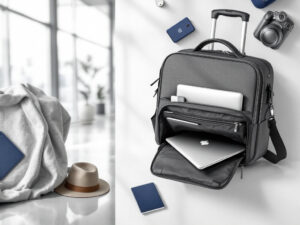
A 2024 travel safety guide from American Express recommends balancing safety gear with a realistic luggage load, so you can still move comfortably and keep track of your belongings. Think in terms of categories instead of a huge checklist.
For example, you might build your own compact travel safety gear kit around:
- Documentation: copies of ID, insurance, and emergency contacts
- Health: basic first aid, any daily medications, and prescriptions in original containers
- Security: luggage locks, a slim money belt or hidden pouch
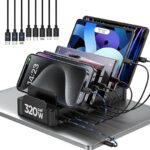
- Tech: a small power bank and universal adapter
The goal is a kit you can adapt whether you are a student on a budget, a senior traveler, or someone backpacking through multiple countries. For more specific scenarios, you can layer in tailored advice from resources like travel safety for students, travel safety for backpackers, or travel safety for seniors.
Guard against common scams and fraud
Most people you meet while traveling are honest, but scams targeting travelers are a real issue in many destinations. You do not have to be anxious, just a bit skeptical.
According to U.S. consumer protection agencies, scams can appear in many forms, including bogus romance stories, fake “relative in trouble” calls, sham lotteries, wallet or money drop tricks, and drug trafficking schemes that trick you into carrying illegal items. Scammers may approach you in person, by phone, email, or text.
To lower your risk, build a few habits into how you move through the world, many of which align with standard travel safety guidelines:
- Be cautious of anyone who rushes you to make a decision
- Be wary of “free” vacations or prizes that require fees or taxes up front
- Hang up on robocalls that advertise deeply discounted trips or demand immediate payment
- Use only official government sites, such as travel.state.gov, for visas and travel documents
U.S. agencies stress that legitimate companies do not ask for fees before awarding a prize, and official visa sites do not charge unnecessary processing fees on what should be free services. If you suspect you have been targeted by a scam while traveling, you can report it to the Federal Trade Commission or file a complaint with the FBI at ic3.gov.
You can go deeper on patterns to watch for and scripts to use with a dedicated guide on how to avoid travel scams.
Build a simple personal safety routine
Personal safety does not have to feel complicated. A consistent routine will serve you better than memorizing dozens of one off tips.
Think of it as everyday personal safety for travelers:
- Pay attention to your surroundings, especially when using your phone
- Keep valuables out of sight, not in your back pocket or on the edge of café tables
- Trust your instincts if a place or person feels off, and leave without apologizing
- Limit how much alcohol you drink, especially when alone or in unfamiliar settings
For women, and especially for solo women, it helps to layer in some specific habits. Resources like travel safety for women and travel safety tips for solo female travelers cover topics such as choosing transportation at night, setting boundaries with strangers, and sharing real time locations with trusted contacts.
Solo travelers of all genders can follow many of the same safe solo travel tips. Let someone know your plans, meet new people in public places first, and keep a backup way to get back to your lodging if your first choice ride falls through.
Take care of your health while abroad
Staying healthy is one of the most important, yet easiest to overlook, traveling abroad safety tips. Simple planning around health can prevent both medical issues and money stress.
Before you leave, check if you need any vaccines or prescriptions for your destination. The U.S. Department of State and health agencies provide resources on traveling with prescriptions, handling pharmaceuticals, and staying healthy on the road. Carry medications in original labeled containers, and bring copies of your prescriptions in case you need refills.
It also helps to think about travel safety and health in everyday terms:
- Prioritize handwashing and basic hygiene
- Drink safe water or use filters where needed
- Plan for jet lag and rest so fatigue does not lead to mistakes
If you have ongoing health conditions, ask your doctor for a brief travel letter explaining your situation and medications. This can be useful at border crossings or if you need medical care abroad.
Know how travel insurance fits into your plan
You hope you never have to use travel insurance, but when you do need it, it can save you from major costs and headaches.
The U.S. Department of State consistently advises travelers to consider travel insurance, especially for international trips, to protect their health, trip investment, and finances from unexpected events like illness, cancellations, or family emergencies. According to industry guidance, travel insurance typically costs about 4 to 10 percent of your total trip price, depending on the length of your trip, where you are going, your age, and the coverage you choose.
Common coverage types include:
- Trip cancellation, interruption, and delay insurance, which can reimburse prepaid, nonrefundable costs if you have to cancel or cut a trip short for covered reasons, such as illness, job loss, or a family member’s death
- Emergency medical insurance to pay for doctor and hospital care abroad
- Emergency evacuation coverage to get you to a suitable hospital, which can be extremely expensive without insurance
- Baggage loss, damage, or delay coverage
You can compare plans using online platforms like InsureMyTrip, review options side by side, and purchase a policy entirely online, typically receiving your documents within minutes.
If you already rely on credit card travel benefits, remember that they often provide limited protection and may not cover medical costs or high value cancellations. Combining card benefits with a separate policy is often the strongest approach. For more details on fitting coverage into your overall safety strategy, check out travel safety insurance.
Prepare for emergencies without panicking
Most trips are uneventful, but having a clear “if this, then that” plan can calm your nerves. Think of it as your personal emergency travel safety tips guide.
Here is a simple structure you can adapt:
- If you lose your passport, contact your nearest embassy or consulate immediately for a replacement, and use your backup copies to speed things along.
- If your wallet or phone is stolen, use another device to lock your accounts, locate your phone if possible, and notify your bank and mobile provider.
- If you are caught in a natural disaster or political unrest, follow local emergency instructions, use your pre saved emergency contacts, and, if registered, watch for STEP alerts.
The American Red Cross emphasizes knowing evacuation plans, exit routes, and how to activate fire alarms and extinguishers in your lodging, long before you need them. These simple checks are just as relevant in an overseas apartment rental as in a hotel.
A short written plan, stored both on paper and in your phone, can keep you focused at a time when it is easy to feel overwhelmed.
You cannot control everything on a trip, but you can control your preparation. A clear, practiced plan often matters more than having every possible gadget.
Turn these tips into your personal routine
You do not need to implement every idea at once. Start with a few traveling abroad safety tips that fit your next trip and build from there.
For example, you might begin by:
- Checking the State Department Travel Advisory and enrolling in STEP
- Sharing your itinerary and copies of documents with one trusted contact
- Setting up alerts and a couple of travel safety apps on your phone
- Creating a compact safety kit from your existing gear
From there, you can add more tailored guidance based on who you are and how you travel, whether that is safe solo travel tips, travel safety for seniors, or a broader overview of how to stay safe while traveling.
With a simple routine and a bit of preparation, you can enjoy your time abroad with more confidence and much less worry.
FAQs
What are the most important traveling abroad safety tips to do before booking?
Check official destination guidance (safety level, entry requirements, local laws), confirm your documents are valid, and save emergency contacts (local emergency numbers + embassy/consulate).
Should I enroll in STEP if I’m traveling internationally?
Yes—STEP is a free service that helps the nearest U.S. embassy share alerts and reach you during emergencies.
How do I avoid International Driving Permit scams?
Only use authorized issuers (AAA or AATA). Avoid random websites selling “international driver’s licenses/permits” that can be invalid.
What’s the easiest way to protect travel documents?
Make multiple copies, store a secure digital copy, and leave one copy with someone you trust. Keep originals and backups in separate places.
How can I spot vacation rental scams fast?
Search the address + owner/company name, verify it on the company’s official site, and avoid pressure tactics or unusual payment methods.
What health planning should I do before an international trip?
Check CDC destination advice, and schedule a health visit about 4–6 weeks before travel if vaccines/meds may be needed.
Do I really need travel insurance?
It depends on risk and costs, but the U.S. State Department strongly recommends medical evacuation coverage for higher-risk areas or limited medical care.
What should I do if my passport is stolen abroad?
Contact your nearest embassy/consulate right away; having copies speeds replacement.