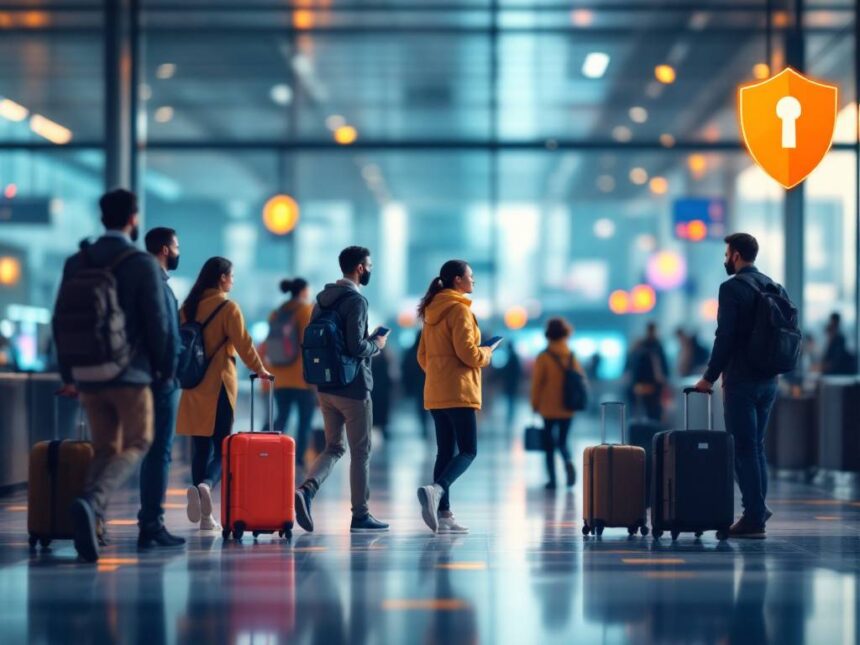
A safe trip does not happen by accident. Travelers safety and security improve dramatically when you follow a simple, repeatable plan before, during, and after every trip. This guide walks you step by step, so you know exactly what to do today, not “someday.”
Use the sections below like a checklist you can follow in order, from planning your trip to coming home.
Start with official safety information
Before you book anything, get a clear picture of your destination’s risks. That way you can adjust your plans, timing, and budget while it is still easy to change things.
Check travel advisories and entry rules
The U.S. Department of State publishes country specific Travel Advisories that explain major risks such as crime, terrorism, civil unrest, health issues, and natural disasters. Each country is rated from Level 1 (exercise normal precautions) to Level 4 (do not travel), and the advisories are updated when conditions change so you always see the latest assessment.
Before you travel, you should:

- Look up your destination’s current Travel Advisory and any specific regions to avoid
- Review entry requirements such as visas, required vaccines, and proof of onward travel
- Read local laws and customs so you do not unknowingly break rules
The State Department also tracks risks that affect U.S. citizens abroad, such as wrongful detention, kidnapping, or time limited events like elections that may trigger unrest. If a location is Level 4, you are strongly advised not to go or to leave as soon as it is safe.
Use the International Travel Checklist
The State Department’s International Travel Checklist walks you through basics like passports, emergency contacts, and photocopies of important documents. Use it alongside a more detailed resource such as a printable travel safety checklist so you cover both paperwork and on the ground precautions.
If you are traveling as a family, or organizing a business trip, assign one person to “own” the list and confirm that each item is checked off at least a week before departure.
Enroll in traveler alert and assistance programs
You cannot control everything that happens on a trip, but you can make it much easier to get timely information and help when something does go wrong.
Sign up for the Smart Traveler Enrollment Program (STEP)
The Smart Traveler Enrollment Program (STEP) is a free service that connects your itinerary with the nearest U.S. embassy or consulate. When you enroll, you can receive email alerts about security issues, demonstrations, natural disasters, or severe weather that may affect you, and you make it easier for consular staff to contact or locate you in an emergency.
STEP is especially useful if you:
- Travel to countries with higher Travel Advisory levels
- Visit during elections, major holidays, or large public events
- Are a solo traveler or part of a small group without a tour operator
You can sign up once, then update your trips each time you travel abroad. This is one of the quickest, most effective steps you can take today to strengthen your travelers safety and security.
Understand what embassies and consulates can do
Consular operations stay open even during U.S. government funding lapses, so you can still get help with passports, visas, or urgent assistance abroad. In an emergency, consular officers can:
- Help you replace a lost or stolen passport
- Provide information on local medical care
- Contact family or friends in the United States with your permission
- Explain local legal procedures and offer a list of lawyers
They cannot investigate crimes, act as your lawyer, or pay your bills. This is why you should plan your own backup resources in advance, including travel safety insurance and personal emergency funds.
Build your health and medical safety plan
Many travelers focus on pickpockets and scams and forget that illness and injuries are much more likely. A solid health plan protects both your body and your budget.
Get destination specific medical advice early
Ideally one month before your trip, talk with a healthcare provider or a travel clinic about your itinerary, activities, and health history. The Centers for Disease Control and Prevention recommends getting vaccines, medicines, and advice at least a month before you go, especially if you are visiting countries with higher health risks or you have chronic conditions.
During this appointment, you should:
- Review routine vaccines and any destination specific shots, such as yellow fever
- Ask about malaria pills or other preventive medicines if relevant
- Discuss high risk activities like hiking at altitude, scuba diving, or long road trips
- Get written prescriptions that use generic drug names, in case brands differ abroad
Pair this professional guidance with a practical overview such as travel safety and health, which covers daily habits for staying well on the road.
Pack and manage medicines wisely
Travel days can be long and chaotic, so you want your essential medicines easy to reach and properly documented. The U.S. Department of State recommends learning how to manage prescription medications abroad, including how to carry them in original containers and what paperwork to bring.
Keep in mind:
- Bring more medicine than you think you will need, in case of delays
- Split supplies between your carry on and checked bag, if possible, for redundancy
- Keep a printed list of your medications, dosages, and prescribing doctor
If you rely on medical devices or have allergies, consider adding this information to a wallet card and your phone’s lock screen, so first responders can see it even if you cannot speak.
Choose the right travel insurance coverage
Travel insurance is not just about refunds for missed flights. It is a core part of travelers safety and security because the U.S. government does not pay medical costs for citizens who get sick or injured abroad.
Know the main types of insurance
Common coverage types include:
- Travel health insurance that pays for doctor visits, hospital stays, and prescriptions abroad
- Medical evacuation insurance that covers emergency transport to better care or back home
- Trip cancellation or interruption insurance that reimburses prepaid, nonrefundable costs
- Auto insurance abroad or rental car coverage for international driving
The State Department recommends considering all of these, especially for destinations with limited medical facilities or if you plan adventure activities. A detailed guide to travel safety insurance can help you compare options and decide which combination fits your trip.
Read the fine print before you buy
Do not assume your policy covers everything you expect. Before you purchase, check:
- Whether existing health conditions are covered or excluded
- If adventure sports, motorbikes, or rental cars need extra riders
- The maximum coverage limits for medical and evacuation expenses
- Whether the insurer offers a 24 hour help line that you can call from abroad
A reliable help line is one of the most valuable features in a crisis. It allows you to get advice in English, locate nearby hospitals, and start claims quickly, without hunting for information on your own.
Improve airport, transit, and road safety
The journey itself can be one of the riskiest parts of travel, particularly when you are tired or navigating new rules.
Streamline airport security and border crossings
If you travel often, consider the Department of Homeland Security’s Trusted Traveler Programs, such as TSA PreCheck or Global Entry, which provide expedited screening at airports and certain border crossings. Faster lines mean less time juggling bags and documents in crowded spaces, which reduces both stress and opportunities for theft.
You can also review focused airport security tips to refine your routine. Simple habits such as keeping your passport in the same pocket, securing your devices before entering the line, and avoiding public Wi Fi for sensitive tasks go a long way toward preventing problems.
Take road and driving risks seriously
Motor vehicle crashes are the leading cause of death among otherwise healthy travelers, making road safety a key piece of your travel security plan. To reduce risk:
- Always wear a seat belt, even in taxis or ride shares
- Use appropriate car seats for children, installed correctly
- Be extra cautious in countries where traffic flows on the opposite side of the road
Before you drive yourself, review local rules and consider getting an International Driving Permit if your destination requires it. The U.S. government advises travelers to study driving safety guidance and insurance requirements in advance. You can pair that with more practical ideas from travel safety driving tips.
Protect yourself from common health threats
Beyond crashes and chronic conditions, you should plan for region specific illnesses and environmental risks.
Avoid bug bites and vector borne diseases
Mosquitoes, ticks, and other biting insects can transmit diseases like malaria, yellow fever, Zika, dengue, chikungunya, and Lyme disease. Public health agencies recommend using insect repellent, wearing long sleeves and pants in high risk areas, and sleeping under treated bed nets where necessary.
If your healthcare provider recommends a preventive medicine such as malaria pills, follow the schedule precisely, including doses before and after your trip. Check any hotel or lodge descriptions for mosquito netting or air conditioning, particularly in tropical destinations.
Travel only when you are well
The CDC advises postponing travel if you are sick, both to protect your own recovery and to avoid spreading disease to fellow travelers and people at your destination. If you come down with symptoms shortly before departure, talk with your doctor about whether to delay and how to manage any nonrefundable bookings you have.
For everyday protection, combine your doctor’s guidance with habits you might find in travel safety and health, such as hand hygiene, safe food and water choices, and staying hydrated.
Secure your devices, data, and documents
Digital safety is part of travelers safety and security. A lost phone or hacked laptop can expose your identity, finances, and accounts.
Set up devices for safer travel
Before you go:
- Turn on device encryption and strong passcodes
- Enable “find my device” features and remote wipe
- Log out of any accounts you do not need on the trip
- Back up important photos and documents
Avoid using public Wi Fi for banking, email account changes, or other sensitive activity. If you must, consider a reputable VPN and use multi factor authentication on important logins. These simple steps align with broader travel security best practices that focus on prevention first.
Protect your physical documents
Carry only what you need, and separate originals from copies. Keep your passport in a secure pocket or money belt, not loose in a bag, and store a photocopy or digital scan somewhere separate, like a locked hotel safe or encrypted cloud folder.
Share copies of your passport, itinerary, and insurance cards with a trusted friend or family member back home as well. The State Department recommends this so they can help if documents are lost or you need support in an emergency.
Use technology to enhance your security
Used thoughtfully, technology gives you another layer of awareness and support during your trip.
Install reliable travel safety apps
Several tools provide real time risk information, location sharing, and discreet emergency alerts. For example, World Travel Protection’s Travel Assist app delivers updates on emerging or endemic risks along your route and offers access to trauma and welfare counseling, backed by 24/7 medical and security support from global command centers.
Route planning apps can help you choose safer roads, avoid dangerous areas, and see up to date traffic conditions, which lowers your chances of accidents on U.S. road trips. You can compare these tools with curated options in travel safety apps, then install your favorites before you leave.
Share your location with people you trust
Apps like Find My Friends and Guardians let you share your live GPS location with loved ones at home so they can see where you are during a hike, night out, or long transfer. This is particularly reassuring for solo travelers, students, and seniors.
You might agree in advance that you will check in at certain times or that a lack of movement for many hours triggers a quick message. Clear expectations prevent unnecessary worry while still giving you privacy.
Strengthen your day to day personal safety
Once you land, your habits matter as much as your pre trip planning. A few small routines can significantly raise your personal safety for travelers in any destination.
Choose safer lodging and arrival times
The State Department recommends learning about lodging safety before booking, including building security, neighborhood reputation, and accessibility for people with different needs. You might:
- Favor hotels or guesthouses with 24 hour reception and good lighting
- Avoid arriving late at night in unfamiliar cities when possible
- Ask for a room between the second and sixth floor, close to emergency exits
For more detailed lodging ideas, especially if you often stay in hotels or hostels, check out hotel safety tips for travelers.
Plan for crime and harassment risks
Crime is one of the most common threats to U.S. travelers abroad. If you are a victim, you should contact local authorities and the nearest U.S. embassy or consulate for help, although U.S. officials cannot conduct investigations or give legal advice.
You can lower your chances of being targeted by:
- Researching local crime patterns and common scams before you go
- Following guidance in how to avoid travel scams
- Carrying only small amounts of cash and using money belts or hidden pockets
- Staying in well lit, busier areas, especially at night
If you are a woman or a solo female traveler, specialized advice in travel safety for women and travel safety tips for solo female travelers can help you anticipate and respond to gender specific risks.
Prepare for legal and rights related issues
Interactions with police or other authorities abroad can be stressful, particularly for travelers from marginalized groups.
Know how to document and report incidents
In the United States, tools like the ACLU Mobile Justice app and the “Police” shortcut on iPhones can record encounters with law enforcement and automatically send audio, video, and location data to your emergency contacts, which helps protect your legal rights during travel. Features like these may also be useful in other countries, although you should check local laws about recording.
If something serious happens abroad such as an arrest, assault, or discrimination incident, your nearest U.S. embassy or consulate can explain local legal procedures and connect you with resources, even if they cannot directly intervene on your behalf.
Carry emergency contact and rights information
Keep a small card in your wallet and a note in your phone that lists:
- In country emergency numbers
- The nearest embassy or consulate phone number
- A local contact if you have one
- Your home emergency contact
This simple preparation makes it easier to call for help quickly, even when you are shaken or your phone battery is low.
Customize your safety plan to your traveler type
Different travelers face different risks. Tailoring your approach is one of the smartest ways to strengthen travelers safety and security.
Solo travelers, families, students, and seniors
You can start with general travel safety guidelines, then add more specific resources such as:
- Personal safety for travelers if you often explore on your own
- Travel safety for students if you are studying abroad or joining group programs
- Travel safety for seniors for mobility, medical, and accessibility concerns
- Emergency travel safety tips if you are visiting higher risk destinations
If you are backpacking, you may rely more on public transport and budget lodging. In that case, travel safety for backpackers can help you adjust for hostels, night buses, and shared dorms.
Workplace and organizational travel
Organizations have a duty of care to protect employees and volunteers who travel for work. Travel risk management tools like World Travel Protection’s Travel Assist app and management portal let companies monitor global risks, locate their people in real time, and coordinate responses through 24/7 command centers staffed by medical and security experts.
If you travel on business, ask what systems your employer uses and how you can access them. Combine that with personal habits from travel security best practices to create a strong safety net.
Put it all together into a simple action plan
To make this practical, here is a streamlined sequence you can follow before your next trip.
1. Today or this week
- Check your destination’s Travel Advisory and local laws
- Enroll in STEP and add your trip details
- Review your passport expiration date and make copies of key documents
2. One month before departure
- Visit a healthcare provider for vaccines, medications, and health advice
- Compare and purchase appropriate travel safety insurance
- Set up device security, backups, and emergency contact info
3. One week before departure
- Install key travel safety apps and set up location sharing
- Share your itinerary and document copies with a trusted contact
- Review traveling safety measures that fit your trip style
4. During your trip
- Follow local guidance in traveling abroad safety tips
- Use safer lodging and transport habits every day
- Pay attention to STEP alerts, local news, and app notifications
5. After you return
- Save lessons learned, such as what gear worked well or what you wished you had read
- Update your personal travel safety checklist for next time
You do not need to do everything at once to improve travelers safety and security. Start with one or two changes today, like enrolling in STEP and checking your Travel Advisory, then build from there using resources such as how to stay safe while traveling and travel safety tips. With a clear plan and a few new habits, you can travel more confidently, knowing you are prepared for both the everyday moments and the unexpected ones.
FAQs
What is the fastest way to improve travelers safety and security today?
Enroll in STEP, check your destination’s Travel Advisory level, and share your itinerary + document copies with a trusted contact.
What does STEP actually do for travelers?
STEP sends alerts from the nearest U.S. embassy/consulate and improves the ability to contact you during emergencies.
How early should I visit a travel clinic or doctor before an international trip?
CDC advises booking a visit at least 4–6 weeks before departure when possible (or at least a month in many cases).
Is travel insurance really part of safety and security?
Yes—medical bills abroad are usually your responsibility, and evacuation can be extremely expensive. Insurance reduces both medical and financial risk.
What’s the biggest transportation risk while traveling?
Road risk is huge: road traffic injuries cause massive global harm and are a major hazard for travelers—seat belts, sober driving, and careful transport choices matter.
How do I protect my passport and documents without overcomplicating it?
Carry only essentials, keep originals secured, and store copies separately (encrypted cloud + a trusted contact). This speeds recovery if something is lost or stolen.
What should I do if my passport is lost or stolen abroad?
Contact the nearest U.S. embassy/consulate for instructions; a police report can help document the loss (often optional).