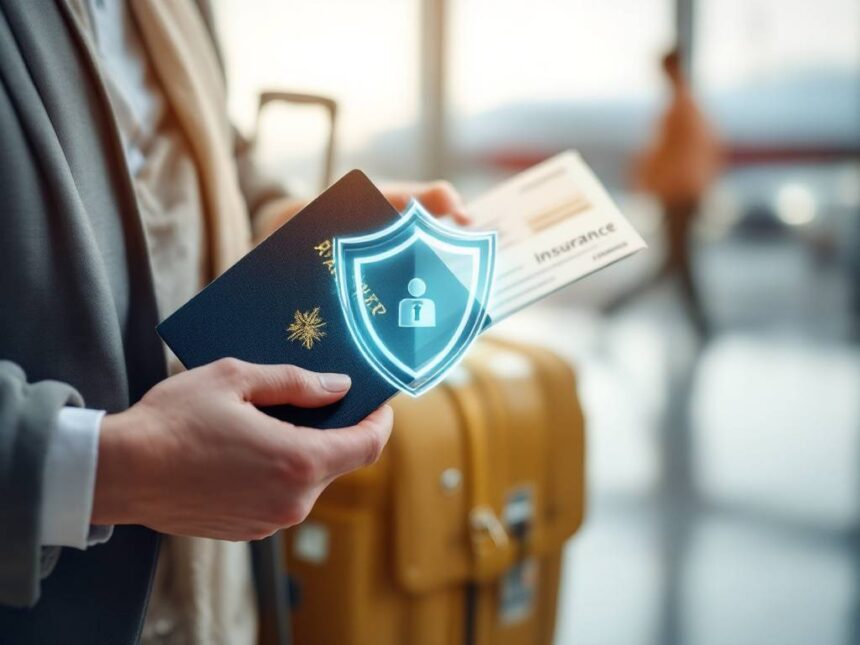
A smart travel safety insurance plan does two big things for you. It protects your money when trips go sideways, and it gives you backup if you have a medical emergency away from home. With flight disruptions, extreme weather, and packed airports all more common, having the right coverage is less of a luxury and more of a basic travel tool.
In this guide, you will walk through how travel safety insurance works, which protections actually matter, what it often does not cover, and how to choose a plan that fits your trips and your budget.
Understand what travel safety insurance is
Travel safety insurance, often called trip insurance or travel protection, is a bundle of coverages that helps you manage both money risks and health or safety risks while you are away from home.
You can think of it in two layers:
- Financial protection for the trip itself
- Medical and safety protection while you are traveling
These layers work together with your other precautions, like travel safety guidelines, local travel safety apps, and basic how to stay safe while traveling.

The financial side
On the financial side, travel safety insurance typically includes:
- Trip cancellation coverage if you have to cancel for a covered reason
- Trip interruption coverage if you need to cut your trip short
- Trip delay benefits for long delays beyond your control
- Baggage loss or delay coverage
In 2026, this part of travel insurance is especially important because disruptions like government shutdowns, hurricanes, pilot strikes, illnesses, and family emergencies have caused widespread flight delays and cancellations. When you have prepaid flights, tours, or vacation rentals, a single event can cost you thousands in nonrefundable expenses. A policy that reimburses those prepaid costs can keep one bad break from turning into a financial crisis.
The medical and safety side
The second layer is about your health and physical safety. This usually includes:
- Emergency medical expenses while you are traveling
- Emergency medical evacuation if you need to be transported to another facility or back home
- Some accidental death and dismemberment benefits
Emergency evacuation insurance is a key piece. Evacuation can cost around $25,000 in North America and up to $250,000 or more in other parts of the world. Experts recommend evacuation coverage limits of at least $100,000 for international trips, so you are not choosing between your savings and your health.
If you pair this with good travel safety and health habits, solid travel safety gear, and situational awareness from resources like travel security awareness, you are in a much stronger position if something unexpected happens.
Learn what travel insurance usually covers
Not every policy is identical, but most travel safety insurance plans share a common set of protections. Understanding these standard benefits helps you compare providers and weed out plans that are too bare bones for your needs.
Core trip protections
Most plans cover key disruptions that can derail your itinerary or waste your prepaid costs. These typically include:
- Flight cancellations and significant schedule changes
- Travel delays beyond a set number of hours
- Natural disasters that make your destination uninhabitable
- Medical emergencies affecting you or a covered travel companion
- Some forms of terrorism that impact your travel plans
- Lost, stolen, or delayed luggage
These benefits are what protect your flight, hotel, and tour payments if you have to cancel or if your trip is cut short for a covered reason. Look closely at the definitions in any policy. Coverage often applies only to specific, named reasons rather than every possible problem.
You can find more ways to reduce disruption risk with simple traveling safety measures and travel security best practices, but insurance is your financial backstop.
Medical and evacuation benefits
Standard travel safety insurance also includes medical coverage that supplements or replaces your regular health insurance while you are abroad. This is especially important if:
- Your domestic health plan does not cover you outside your home country
- You are visiting a region with limited medical facilities
- You will be doing higher risk activities
Emergency medical coverage typically helps pay for:
- Hospital stays
- Doctor visits
- Lab work and diagnostic tests
- Prescription medications
- Some urgent dental care
In addition, emergency evacuation coverage pays to transport you to the nearest appropriate facility, or in some cases, back to your home country. Because these costs can be enormous outside your home region, this is one area where you do not want to skimp on limits.
If you are curious about how these protections fit different travel styles, you can check focused resources like travel safety for seniors, travel safety for students, and travel safety for backpackers.
See what travel insurance does not cover
Travel safety insurance is powerful, but it is not a blank check. Almost all policies have clear exclusions, many of which surprise travelers who never read the fine print.
Common exclusions and limitations
Typical exclusions include:
- Predictable or known issues at the time you buy the plan
- Losses from reckless or illegal activities
- Named storms that were already identified before you purchased coverage
- Many pre existing medical conditions, unless you qualify for a waiver
According to InsureMyTrip, travel insurance generally does not cover predictable, preventable, or already known problems when you buy the policy. If you are already sick, if your doctor has advised against travel, or if you are trying to cover a hurricane that has already been named, you probably will not be eligible for standard benefits.
Pregnancy, mental health, and substance use
Some exclusions feel especially personal, but they are important to understand before you rely on a policy:
- Pregnancy related issues from a normal pregnancy, such as morning sickness, are usually not covered for cancellation or medical benefits as of June 2024.
- Many policies do not cover cancellations tied to mental, nervous, or psychological disorders like anxiety, depression, neurosis, or phobias. Some plans will cover cancellation if hospitalization prevents you from traveling due to these conditions, but routine episodes may not qualify.
- Most plans exclude incidents that occur while you are under the influence of alcohol or drugs. If medical documentation shows intoxication, your claim for illness or injury can be denied.
Some policies do make narrow exceptions, for instance for medical treatment if you accidentally ingest poisonous substances or controlled drugs, or if you experience an illness or injury from a medication prescribed by a physician.
If you are planning a trip that triggers health concerns, it can help to talk with your doctor before you buy coverage, then read the policy language closely.
Hazardous activities and high risk behavior
Many travelers are surprised to learn that common adventure sports are not automatically covered. Hazardous or high risk activities like skydiving, bungee jumping, or mountaineering are often excluded. Some plans offer an optional adventure sports rider to include those risks. If your trip centers on outdoor challenges, make sure you know whether your planned activities are covered.
Incidents linked to reckless behavior or illegal activities are also typically uncovered. Combining travel security precautions with an honest look at your plans is the best way to avoid expensive surprises.
Decide how much coverage you actually need
Once you understand what travel safety insurance can and cannot do, you can estimate how much protection you really need. This helps avoid both underinsuring and overspending.
Base your limits on your trip cost
A simple starting point is your total prepaid, nonrefundable trip cost. This usually includes:
- Flights that cannot be refunded or credited
- Nonrefundable hotel nights or vacation rentals
- Tour packages, cruises, and activities paid in advance
- Nonrefundable train or ferry tickets
In 2026, travel insurance typically costs 5% to 10% of this total trip cost. For a two week trip to Italy, sample quotes range from around $340 for a solo traveler to over $1,300 for a family of four, depending on the provider and coverage levels.
If a trip has many refundable elements, you might not need the highest trip cancellation limits. On the other hand, if you are locking in nonrefundable stays and specialty tours, higher limits can be worth the extra premium.
Set medical and evacuation limits wisely
For the medical side, focus on two main numbers:
- Emergency medical coverage limit
- Emergency evacuation coverage limit
For international travel, many experts suggest at least $50,000 to $100,000 in medical coverage and at least $100,000 in evacuation coverage. If you are going to a remote area, an expedition style trip, or a region with high medical costs, it can be smart to go higher.
You can supplement these protections with your own travel security advice plan and a personal travel safety checklist that includes local hospital information and emergency numbers.
Compare basic, comprehensive, and CFAR plans
Not all travel safety insurance looks the same. As you browse, you will likely see three broad tiers: basic, comprehensive, and plans with cancel for any reason add ons.
Basic plans
Basic plans usually focus on:
- Lower trip cancellation limits
- Modest medical coverage
- Standard baggage protections
They often have more exclusions and lower payout caps. These can work if you are taking a short, lower cost trip, or if you mainly want medical backup because your own health plan does not travel with you.
Comprehensive plans
Comprehensive plans offer wider coverage and higher limits. They typically include:
- Strong trip cancellation, interruption, and delay protection
- Higher medical and evacuation limits
- Better baggage and personal effects coverage
- Some coverage for pre existing conditions when certain rules are met
For many international travelers, this tier offers the best balance between cost and protection. It also fits frequent flyers and business travelers who want to layer insurance on top of their existing airport security tips and travel security technology.
Cancel for any reason (CFAR) upgrades
Standard travel insurance does not cover change of mind cancellations or fear based decisions. If you simply decide you no longer feel like going, or you are uneasy about global headlines that are not covered by your policy, you will not be reimbursed.
Cancel for any reason, often called CFAR, is an optional add on that gives you more flexibility. Many premium plans in 2026 offer CFAR, allowing you to cancel your trip for any reason and receive reimbursement of 50% to 80% of your nonrefundable prepaid expenses. Allianz, for example, offers a Cancel Anytime upgrade that can reimburse up to 80 percent of eligible nonrefundable costs.
CFAR usually has strict rules:
- You must buy it within a short window after your first trip payment
- You must insure 100 percent of your prepaid nonrefundable trip cost
- You must cancel within a certain number of days before departure
If you are booking an expensive trip with many moving parts, and you like having full control, CFAR can be worth the additional premium.
Consider a provider like TravelSafe
As you compare companies, you will see names you recognize and some you do not. One example provider in the travel safety insurance space is TravelSafe.
What TravelSafe offers
According to VisitorsCoverage, TravelSafe travel insurance provides coverage for medical expenses during international trips, including short term visitors to the United States and new U.S. immigrants or Green Card holders, as of 2024. Its policies also cover trip related expenses such as:
- Flight cancellations
- Trip interruptions
- Baggage delays
TravelSafe offers specialized coverage for travelers with pre existing medical conditions under policies effective as of 2024. That can be an important option if you have health concerns that might otherwise be excluded under standard travel insurance rules.
TravelSafe travel insurance is underwritten by US Fire Insurance Company, which holds an A.M. Best rating of A. This rating signals strong financial stability and reliability for trip insurance products available for durations up to 120 days. When you are buying coverage that depends on a company paying claims months later, financial strength is more than a nice to have.
TravelSafe has been providing travel safety insurance solutions for over 50 years. Its portfolio includes Cancel For Any Reason coverage and a focus on efficient claims processes, both of which help global travelers manage risks on domestic and international trips.
You do not have to choose TravelSafe specifically, but using it as an example can give you a sense of what a mature, well rated travel safety insurance provider looks like.
Quick provider check:
Look for solid financial ratings, clear explanations of coverage, visible contact information, and straightforward claims instructions before you buy any policy.
Match coverage to your travel style
Choosing smart travel safety insurance is not just about picking the biggest package. You want a plan that matches the way you actually travel, who you are traveling with, and where you are going.
First time international travelers
If this is your first trip abroad, your needs are simple but important:
- Strong emergency medical and evacuation coverage
- Solid trip cancellation and interruption benefits
- Basic baggage and personal effects protection
Pair your policy with practical traveling abroad safety tips, and consider saving local embassy contacts, hospital locations, and emergency numbers in your phone. A straightforward, comprehensive plan usually makes more sense than chasing exotic riders you are unlikely to need on a first trip.
Frequent flyers and business travelers
If you travel often for work or family, you may benefit from:
- Annual multi trip travel insurance instead of single trip plans
- Higher trip delay benefits, since missed connections can cascade
- Strong baggage coverage for laptops and work devices
Combine this with a routine of airport security tips and consistent travel security precautions, like using VPNs on public Wi Fi and carrying a privacy screen. You want a plan that works quietly in the background while you focus on your meetings or visits.
Solo travelers and women travelers
Solo travelers, and especially solo women travelers, often want an extra layer of personal safety and flexibility. Look for:
- Coverage for emergency medical and evacuation at higher limits
- 24/7 assistance services, including help finding safe medical care
- Clear support if you must change accommodations for safety reasons
Supplement your insurance with resources like personal safety for travelers, safe solo travel tips, travel safety for women, and travel safety tips for solo female travelers. Insurance cannot prevent every issue, but it can help you move quickly if you need to adjust your plans.
Families and group trips
When you travel with family or a group, you are managing multiple people and bookings at once. Consider policies that:
- Cover children at reduced or no extra cost
- Allow one cancellation reason to apply to the entire group
- Include strong trip interruption benefits if someone needs to go home early
Layer this with shared travel safety tips, a group travel safety checklist, and clear communication about meeting points and emergency contacts.
Use travel insurance with broader safety habits
The smartest travel safety insurance is only part of your overall travel security plan. It works best when you combine it with practical habits before and during your trip.
Before you leave
Before departure, you can:
- Review your policy so you know how to use it, not just that you own it
- Save your insurer’s emergency number and policy details in your phone and on paper
- Share your itinerary and insurance info with a trusted contact at home
This pairs well with your own travel security awareness and a basic emergency travel safety tips plan for worst case scenarios.
During your trip
While traveling, make insurance an active tool instead of a forgotten backup:
- Call the assistance number before you seek major medical care when possible, so they can direct you to in network or vetted facilities
- Keep receipts, medical reports, and airlines’ delay or cancellation notices for any potential claim
- Report lost or stolen items promptly, following local police reporting rules if required
You can also reduce the chances of needing to file a claim by using hotel safety tips for travelers, travel safety driving tips, and simple travel safety apps that track your location or store scanned documents securely.
Watch for red flags when buying a policy
As you shop, a few warning signs can tell you a plan might not be right for you, even if the price looks attractive.
Look out for:
- Very low premiums compared to similar plans without clear explanations
- Vague or hard to find exclusions and limitations
- No clear 24/7 assistance line or emergency number
- Complicated, unintuitive claims procedures
You can cross check your shortlist against general advice from InsureMyTrip and similar resources, which emphasize that travel insurance does not cover change of mind cancellations unless you buy CFAR, will not cover losses tied to government travel advisories issued before you purchase the policy, and will rarely compensate you for incidents involving excessive alcohol or drug use.
When you keep these limits in mind, you are less likely to misunderstand what you are buying.
Put it all together
Smart travel safety insurance does not eliminate risk, but it turns unpredictable events into manageable problems. You protect your investment in the trip, and you give yourself options if you get sick or injured far from home.
To choose well, you can:
- Total your prepaid, nonrefundable costs and use that number to guide your cancellation coverage
- Set medical and evacuation limits that match your destinations and activities
- Decide whether you need CFAR flexibility for this trip
- Match the plan to your travel style, whether you are a first time traveler, a frequent flyer, a solo traveler, or traveling with family
- Read exclusions carefully, especially around health conditions, pregnancy, mental health, substance use, and hazardous activities
From there, support your policy with strong travelers safety and security habits and a personal plan to handle travel security risks. When your financial protection and your safety routines work together, you can step onto the plane more relaxed, knowing you have real backup if the unexpected happens.
FAQs
What is travel safety insurance, and what does it actually protect?
It typically protects your prepaid trip costs (cancellation/interruption/delay/baggage) and adds medical + evacuation support while you’re away.
How much travel insurance coverage do I need?
Start with your total prepaid, nonrefundable trip cost for cancellation/interruption. For international trips, prioritize strong medical + evacuation limits because those costs can be extreme.
Is CFAR travel insurance worth it?
CFAR can be worth it if you want flexibility for reasons standard policies don’t cover—but expect partial reimbursement and strict eligibility rules (timing + insuring full trip cost).
Does travel insurance cover “known events” like a named storm?
Often not. Many insurers treat already-known risks as “foreseeable/known perils,” so buying after a storm is named may not help.
Does travel insurance cover pregnancy-related cancellations?
Many plans don’t treat normal pregnancy symptoms (like typical morning sickness) as a covered cancellation reason, though complications may be covered depending on plan terms.
Are adventure sports covered automatically?
Not always—many policies exclude “hazardous activities” unless you buy an add-on or a specialty plan.