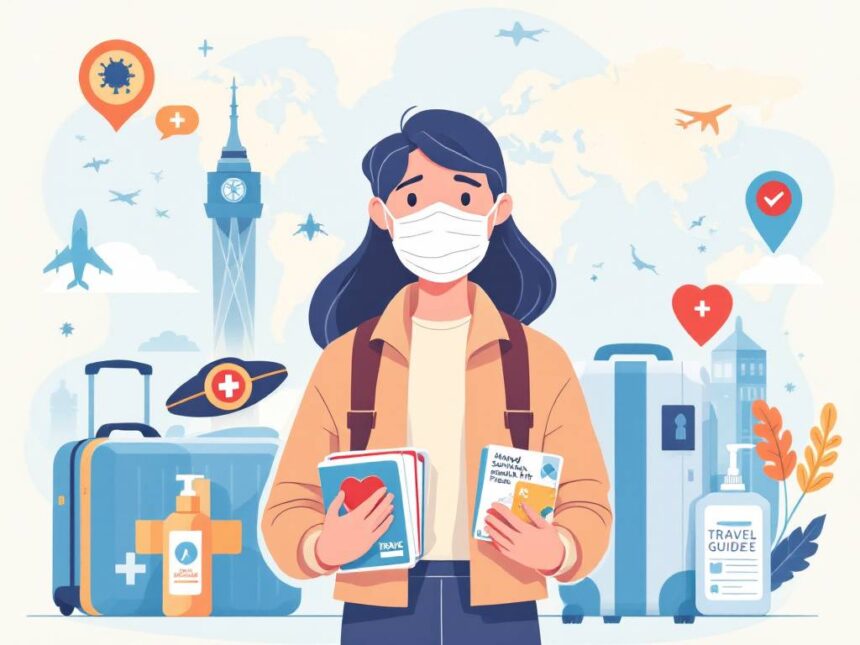
Travel should feel exciting, not stressful. A little planning around travel safety and health helps you relax more on the road, whether you are heading out on your first international trip, flying twice a month for work, or taking your kids overseas.
This guide walks you through simple, practical habits you can use before you leave, in transit, and once you arrive. You will build a plan that fits your style and comfort level, rather than feeling like you have to be “on guard” every second.
Start with a simple safety mindset
Travel safety and health are not about being fearful. They are about reducing avoidable problems so you can enjoy the trip you planned.
Think of safety in three layers:
- Prevention, basic habits that make you a harder target for theft, illness, or scams
- Backup plans, what you will do if something goes wrong
- Awareness, paying attention without feeling paranoid
You do not need a complicated system. A few routines that you repeat on every trip, like how you pack your bag or where you keep documents, will quickly become second nature. If you want a structured overview to refer back to, you can also save a dedicated travel safety checklist.

Plan your trip with safety in mind
A safe trip begins long before you board a plane. A bit of research and preparation at home can prevent the most common issues that derail travel.
Check official travel advisories and health notices
Before you book, look at both security and health guidance for your destination.
- The Centers for Disease Control and Prevention (CDC) issues Travel Health Notices that flag disease outbreaks, natural disasters, or other health risks, along with advice on how to protect yourself and when to consider postponing travel. You can browse these by country on the CDC site, which helps you understand if you should take enhanced precautions or avoid travel altogether.
- Travel Health Notices are grouped into four levels, from Level 1, usual precautions, to Level 4, avoid all travel, so you can quickly see the level of risk for your itinerary. These notices cover situations like higher than expected disease cases, unusual diseases in new locations, or severe disruptions to healthcare services.
For security and entry rules, the U.S. Department of State publishes Travel Advisories that cover crime, unrest, and local laws, and recommends that you review them before visiting a new destination. You will also find entry requirements, driving information, and contact details for the nearest U.S. embassy or consulate on their site, which supports your broader travel safety guidelines.
Taken together, the CDC’s health-focused guidance and the State Department’s security advisories give you a clear picture of what to expect and how to prepare before you lock in your plans.
Research neighborhoods, scams, and local norms
Once you choose a destination, zoom in to the city level. Look up:
- Typical tourist scams in that area
- Neighborhoods that are considered safe to stay in
- How locals usually get around at night
- Any dress or behavior norms that affect how you stand out
For example, travelers have reported frequent petty crime around the Royal Palace corner in Bangkok, in the Medina in Marrakech, and in downtown Battambang. Reading first hand accounts of these areas helps you recognize red flags if someone tries to distract you or steer you into a side street.
If you want a quick starting point, you can compare your findings with broader guides on traveling abroad safety tips and travel security risks.
Put key documents and backups in place
Documentation is a big part of travel safety and health, especially if you run into an emergency.
Prepare:
- A valid passport with enough blank pages and at least six months before expiration
- Required visas or entry forms, printed and saved on your phone
- Copies of your passport, visa, hotel confirmations, and return ticket, both on paper and stored in secure cloud storage
- The address and phone number of your country’s embassy or consulate at your destination
Keeping digital copies of essential documents in a secure cloud service means you still have access if your bag or wallet goes missing. Many travelers store originals in a hotel safe and carry only what they need each day.
Protect your health before you leave
Good health preparation reduces your chances of getting sick abroad and makes it easier to handle minor issues without scrambling for help.
Get vaccines and preventive care sorted early
The World Health Organization notes that vaccination can prevent a number of infectious diseases, which is especially important when you visit new regions. Use the pre travel window to:
- Confirm your routine vaccinations are up to date for your home country
- Check CDC destination pages for any recommended or required travel vaccines and medicines for your specific trip and activities
- Schedule an appointment with a healthcare provider or travel health specialist at least 4 to 6 weeks before departure
Some vaccines require multiple doses and malaria preventive medicine often needs to be taken before, during, and after your trip, so you get better protection if you start early. If there is a yellow fever recommendation or requirement for your destination, you will need to visit an authorized yellow fever vaccine center, which often offers other pre travel care as well.
During your visit, ask about your plans. Hiking, visiting rural areas, or staying long term can change what is recommended for you.
Build a personalized travel health kit
A small, well packed travel health kit gives you quick access to common medicine and supplies that might be hard to find when you need them. The American College of Emergency Physicians and the CDC recommend carrying at least a basic first aid kit in your carry on bag so it stays with you if checked luggage is delayed.
At a minimum, consider including:
- Prescription medications in original containers with clear labels, plus extra doses in case of delays
- Pain relievers such as acetaminophen, ibuprofen, or aspirin
- Antihistamines for allergies
- Antacids and anti nausea medicine
- Antibacterial hand wipes or hand sanitizer with at least 60% alcohol
- Masks for crowded or poorly ventilated spaces
If you have chronic conditions such as diabetes or severe allergies, wear a medical alert bracelet and carry a list of your medications with their generic names. Some countries restrict which medicines you can bring in, so it is smart to check with the U.S. embassy or consulate of your destination before you go, especially if you carry controlled substances or injectable medications.
You can fine tune your kit based on your specific destinations and health risks by reviewing the CDC’s country pages, which is an easy step to boost your travel safety and health for each trip.
Understand travel insurance options
Even with good planning, accidents and illness can happen. Travel insurance can help protect your health, trip, and finances, particularly for international travel where your regular health coverage may not apply.
Look for policies that clearly state:
- What medical care is covered, and up to what limit
- Whether emergency evacuation is included
- How pre existing conditions are treated
- How to contact the insurer from abroad
If you are deciding between plans, you can also read focused guidance on travel safety insurance so you are not guessing at the small print.
Stay safe and organized in transit
Airports, train stations, and long travel days can make you tired and distracted, which is when problems like theft, missed connections, or lost devices become more likely. A calm, repeatable routine helps you stay in control.
Use smart packing and airport routines
Before you leave home, decide where you will keep:
- Your passport and boarding passes
- Your wallet and a small amount of local currency
- Your phone and backup battery
- Your travel health kit and any medications
Use the same layout every time you travel, like passport in an inside jacket pocket and wallet in a zipped waist pack. That way, you can quickly tell if something is out of place.
At the airport, follow simple airport security tips:
- Keep valuables in your carry on, not in checked bags
- Place laptop and electronics in the tray last so they are not sitting unattended at the end of the belt
- Step to the side after the scanner so you can re pack without blocking others or rushing
If you are traveling with children or in a group, agree on a meeting point in case you get separated. Snap a quick photo of each traveler that morning, which can help if you need to describe clothing or appearance.
Protect your devices and data
Public Wi Fi networks are often unsecured and make it easier for cybercriminals to intercept your information. To protect your travel safety and health from a digital angle, you can:
- Avoid logging into bank or sensitive accounts on airport or café Wi Fi
- Use a Virtual Private Network (VPN) to encrypt your connection, services like Express VPN are commonly recommended for this
- Turn on password or biometric protection for your phone and laptop
- Enable tracking features so you can locate or remotely wipe a lost device
- Back up photos and important files regularly using hotel Wi Fi
Treat your phone like your wallet. Keep it in a front pocket or crossbody bag rather than loosely in your hand in crowded areas.
For more structured digital habits, you might find it helpful to explore travel security technology and broader travel security awareness practices.
Stay healthy on the road
Once you arrive, a few small habits will dramatically improve your travel safety and health, especially around food, water, and rest.
Manage food, water, and sleep
You do not need to avoid local food to stay healthy. Instead, focus on:
- Drinking safe water, either bottled from a sealed container or treated if local tap water is not potable
- Eating at busy spots with high turnover, which often means fresher food
- Washing or sanitizing your hands before meals
- Balancing richer foods with simple options so your digestion can keep up
Long travel days, time zone shifts, and sightseeing can wear you down. If you can, aim for consistent sleep and build in at least one quieter day for every few busy days. Listening to your body is one of the simplest ways to protect your health while traveling.
Guard against insects and environmental risks
If you are heading to areas with mosquitoes or other biting insects, repellent and clothing choices matter.
Guidance suggests:
- For children, use insect repellents that contain 10 to 30 percent DEET
- For adults, look for 30 to 50 percent DEET or up to 20 percent picaridin
- Avoid using repellent on infants under 2 months
- Do not combine DEET based repellent with sunscreen in the same product
Apply sunscreen first, then repellent, and wash them off when you return indoors. In regions with malaria risk, follow your healthcare provider’s instructions for preventive medicine timing around your trip.
Reduce theft and personal safety risks
Most trips are uneventful, but petty crime is common in tourist areas around the world. With a few habits, you can make yourself a more difficult target and stay focused on enjoying where you are.
Understand where and how theft happens
Many European cities, for example, have low levels of violent crime but high levels of pickpocketing and purse snatching in crowded tourist spots. Similar patterns appear in markets, busy squares, train stations, and on public transit in many regions.
Thieves often:
- Work in teams, one creates a distraction while another grabs your bag
- Target people who look distracted, overloaded with bags, or obviously confused
- Take advantage of crowded buses, metros, and lines where bumping is easy to excuse
You do not need to be fearful. Aim for the level of awareness you would use crossing a busy street: alert, but not anxious.
If you want more detailed tactics tailored to your situation, you can browse personal safety for travelers and general how to stay safe while traveling resources.
Use simple habits to protect valuables
You can lower your risk with practical routines that quickly become automatic:
- Carry only what you need for the day, one card, limited cash, a photocopy of your passport
- Wear a money belt or neck wallet under your clothes for backup cash and key documents
- Keep your bag zipped, locked if possible, and with a strap across your body
- Attach your day bag strap to a chair leg or around your arm when seated at a café
- Leave jewelry or expensive watches at home or in a hotel safe
- Avoid displaying large amounts of cash when paying
When you are in crowded spaces like tourist sites, trains, or markets, keep physical contact with your bag, a hand on the zipper or strap. This tiny habit stops most grab and run attempts.
If you want more scenario based advice, you can explore travel safety tips or deeper travel security precautions.
Use accommodations and transport wisely
Where you sleep and how you move around also affect travel safety and health.
For hotels or rentals, basic hotel safety tips for travelers include:
- Choosing reputable properties in well lit areas
- Using room safes for passports and extra cards
- Locking doors and windows, and using door latches where available
- Not sharing your room number out loud in public areas
For driving, review local road rules, seatbelt and child seat laws, and whether you need an International Driving Permit. The U.S. Department of State recommends learning about local driving safety guidance before you get behind the wheel. If driving feels too stressful, taxis from official stands or trusted ride share apps are often safer options than unmarked vehicles.
You can find more situation specific tips in guides like travel safety driving tips or broader traveling safety measures.
Use tech tools without overcomplicating things
You do not need a phone full of apps, but a small set of tools can support your travel safety and health without eating your time or battery.
Helpful apps for navigation and safety
Consider downloading and setting up:
- Offline maps for your destinations so you can navigate without roaming
- A translation app to handle signs, menus, and basic conversations
- A secure notes app for storing hotel addresses and important phone numbers
- Local ride share or transit apps, if commonly used at your destination
Travel focused apps can also send security alerts, store copies of documents, or share your live location with trusted contacts. To see which options fit you best, you can review specialized travel safety apps.
The U.S. Department of State encourages U.S. citizens traveling abroad to enroll in the Smart Traveler Enrollment Program (STEP) so they can receive important safety updates and make it easier for the embassy to contact them in an emergency. Enrollment only takes a few minutes and can be done before each international trip.
Have a clear plan for “what if” situations
Good preparation does not just lower risk, it also makes it easier to respond calmly if something does go wrong. You do not need a detailed manual, just a few decisions made in advance.
If you get sick or injured
If you develop a fever, severe pain, breathing problems, or anything that feels urgent:
- Use your insurer’s emergency number to find recommended clinics or hospitals
- Contact your hotel front desk or host, they can often suggest nearby facilities and help arrange transport
- Bring your passport, insurance card, and medication list with generic names
For minor issues like mild stomach upset or a headache, your travel health kit may be enough. If symptoms worsen or you feel uneasy, err on the side of getting checked.
Resources like emergency travel safety tips and broader travel security advice can help you think through different scenarios before you go.
If you experience theft or lose documents
If your wallet, phone, or passport goes missing:
- Move to a safe, well lit place first
- Use device tracking to attempt to locate or lock your phone
- Call your bank or card issuers to freeze or replace cards
- Report theft to local police if required for insurance or replacement
- Contact your embassy or consulate for help replacing passports and navigating local procedures
This is where having digital copies of your documents and key numbers stored securely in the cloud saves time and frustration.
Tailor safety to your travel style
Different travelers face different challenges. The basics of travel safety and health stay the same, but how you apply them can shift.
If you often travel alone, guides like safe solo travel tips, travel safety for backpackers, and travelers safety and security can help you adjust plans around hostels, night buses, or long hikes.
If you are a woman traveling alone or with friends, you can layer on specific practices from travel safety for women and travel safety tips for solo female travelers that address common street harassment patterns, lodging choices, and ride share habits.
If you are a student, senior, or traveling with kids, it helps to focus on your specific needs. For example:
- Travel safety for students might emphasize campus rules, budget accommodations, and nightlife
- Travel safety for seniors often highlights medication management, mobility, and choosing accessible routes
- Parents may look closely at medical facilities near their accommodations and at local food options that work for younger travelers
Instead of trying to follow every tip you see online, pick a handful that fit your reality and build from there.
Put it all together into a repeatable routine
To keep travel safety and health manageable, turn the ideas in this guide into a simple routine you can reuse for every trip.
For example:
Before booking, you check CDC and State Department advisories.
One month out, you see your healthcare provider, confirm vaccines, and prepare a travel health kit.
One week out, you notify your bank, copy documents, and confirm insurance contacts.
On travel days, you use the same pockets for your passport and wallet, keep your phone secured, and avoid logging into sensitive accounts on public Wi Fi.
On the ground, you stay aware in crowds, keep valuables close, and listen to your body around food, water, and rest.
If you like having a quick reference, you can save a resource like a travel safety checklist and a short list of travel safety gear you bring every time.
The goal is not to remove all risk, that is impossible, but to give you confidence that you have covered the basics. When your safety and health routines are in place, you free up your attention for what you actually want from your trip, new experiences, new people, and new stories to bring home.
FAQs
What are the fastest “high ROI” steps to improve travel safety?
Check official advisories, keep document backups, carry minimal valuables daily, and use a consistent bag/phone routine in transit.
How do CDC Travel Health Notice levels work?
CDC uses four levels—from Level 1 (usual precautions) up to Level 4 (avoid all travel)—to quickly signal health risk and recommended actions.
When should I see a provider for travel vaccines?
Plan early—many travel vaccine timelines work best weeks ahead, and some destinations have specific requirements (e.g., yellow fever).
What belongs in a travel health kit?
Build it around your trip and health history—basic first aid + meds for common issues + your prescriptions (in original containers).
Is public Wi-Fi always dangerous while traveling?
Not always, but be cautious: favor encrypted connections and avoid sensitive logins on unknown networks.
What’s the safest way to use insect repellent with sunscreen?
Use separate products: apply sunscreen first, then repellent, and avoid combined sunscreen/repellent products.
Why do pickpockets succeed so often in tourist areas?
Crowds + distraction. Many work in groups and exploit moments when travelers are tired, rushed, or juggling bags.
What is STEP and who should use it?
STEP is a free service for U.S. citizens abroad to receive embassy alerts and help the embassy contact you in emergencies.