A solo trip can be one of the most memorable experiences you ever give yourself. You set the pace, pick the sights, and decide when to linger or move on. With a handful of safe solo travel tips in place, you can keep your risks low while still leaving plenty of room for spontaneity and fun.
Below, you will find practical, step by step advice to help you plan, stay aware, and respond calmly if something does not go to plan.
Start with smart pre‑trip research
Before you book anything, you set the tone for a safer journey by doing thoughtful research. Since you will not have a built in travel buddy to double check details, it helps to slow down here.
Look up official travel advisories from your own government and from the country you plan to visit. These notices highlight areas with higher crime, civil unrest, health concerns, or natural disasters. They often include specific guidance for women, LGBTI travelers, and people from certain ethnic or cultural backgrounds who may face different risks.
Take time to:

- Read recent traveler reviews of cities, neighborhoods, and accommodations
- Search terms like “Is X neighborhood safe at night” and compare multiple sources
- Note local norms around clothing, alcohol, and public behavior so you can blend in
If you are new to international travel, you might also want a broader primer on traveling abroad safety tips before you lock in dates.
Choose safer destinations and neighborhoods
You cannot eliminate risk entirely, but you can choose places where the baseline is more comfortable for a solo traveler.
Start by choosing countries and cities that have a reputation for being generally safe, walkable, and friendly to visitors. Within that short list, zoom in on neighborhoods. The difference between two areas in the same city can be dramatic after dark.
Use maps and tools like Google Street View to virtually walk around before you book. Look for sidewalks, lighting, nearby shops or cafes, and a sense that people actually use the street. Experienced solo traveler Janice Waugh recommends this kind of neighborhood check. It helped her avoid staying in a sketchier area on the Isle of Skye, and she chose not to walk through a deserted street at night based on what she had seen ahead of time.
As you compare options, favor:
- Central, well lit areas close to transport, food, and pharmacies
- Streets that show regular foot traffic, not empty industrial blocks
- Places near landmarks or main squares where you can orient yourself easily
If you already know you will be backpacking or slow traveling, you can pair this with more specific guidance in travel safety for backpackers.
Book accommodation with safety in mind
For solo travelers, your accommodation is more than a place to sleep. It is your base, your storage, and sometimes your backup plan if plans around you shift.
Booking ahead is one of the most consistent safe solo travel tips. It reduces the chance that you arrive tired, jet lagged, and desperate, only to accept the first room you find in a questionable area. It also gives you time to read reviews in detail.
As you evaluate hotels, guesthouses, or apartments, look past the decor and focus on basic safety:
- Does the building have a staffed reception or 24 hour contact number?
- Are there clear, recent reviews that mention safety and cleanliness?
- Is the entrance on a busy street, not an isolated alley?
- Are rooms equipped with solid locks and, ideally, a safe?
You can also follow detailed hotel safety tips for travelers to make sure you know what to look for at check in and during your stay.
If you are considering couch surfing or shared hostel dorms, be extra cautious, especially if you are a woman or nonbinary traveler. Sharing rooms with strangers can create unnecessary vulnerabilities. Private rooms in reputable hostels, small guesthouses with strong reviews, or mid range hotels usually offer a better balance of budget and safety.
Share your plans with someone you trust
When you travel solo, you are responsible for your own safety, satisfaction, and enjoyment. One of the easiest safety nets you can create is a check in system with someone back home.
Before you leave, share:
- Your flight numbers and arrival times
- The names, addresses, and phone numbers of your accommodations
- Rough dates for when you will move between cities
- Copies of your passport and key documents, stored safely and password protected
Agree on simple rules, such as a quick message when you arrive in a new city and one or two regular check ins each week. If you plan to go hiking, take a day trip, or join a tour with spotty reception, message your contact beforehand with where you are going and when you expect to be back.
A structured plan like this fits naturally with a broader travel safety checklist, which can help you ensure nothing slips through the cracks.
Pack light and add a few safety essentials
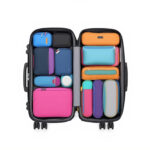
Packing for a solo trip is less about having every possible item and more about carrying what you can manage comfortably on your own. Heavy, awkward bags make you an easier target and limit where you can safely walk.
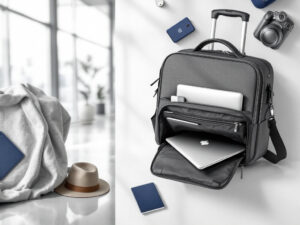
Aim to manage everything yourself without needing help to lift or carry your bags. Choose luggage that rolls smoothly, plus a small day bag that closes securely. Keep valuables, medication, and one change of clothes in your carry on in case your checked bag goes missing.
Alongside your usual travel gear, include a few safety focused items. The best travel safety gear often includes:
- A crossbody bag that zips closed and sits in front of you
- Small combination locks for zippers and hostel lockers
- Copies of key documents stored separately from originals
- A lightweight door stopper you can wedge under your hotel room door at night
The goal is not to travel in fear. It is to add discreet layers of protection so you feel more relaxed day to day.
Use travel insurance as part of your safety plan
Many solo travelers overlook travel insurance until after something goes wrong. That is a stressful time to realize you are on your own for medical bills, lost luggage, or a missed flight that strands you overnight.
When you are traveling alone, travel insurance becomes one more piece of personal backup. It can cover emergency medical care, evacuations, trip delays, stolen belongings, and sometimes even support like translation or help finding a local doctor. The solo travel research you read recommends including insurance in your safety planning, and that guidance is well aligned with general travel safety insurance advice.
Before you buy a policy, check:
- What medical coverage you already have, if any, outside your home country
- Whether adventure activities like hiking, diving, or motorbikes are included
- The process for filing a claim and what documentation you need to save
Store a copy of your policy number and emergency contact details in your phone and in a printed version in your bag.
Move through airports and transit more securely
Airports, train stations, and bus terminals can feel chaotic, especially when you are jet lagged. A little preparation lets you move through these spaces with more confidence and less risk.
Before you leave, review basic airport security tips. That way you are not fumbling at the security line with electronics, liquids, and shoes. Keep your passport and boarding pass in an easy to reach pocket, but never leave them unattended in a tray.
As you navigate terminals or stations:
- Stay aware of your bags at all times, even for quick restroom trips
- Avoid placing your phone or passport on counters where they could be grabbed
- Use ATMs inside banks or airports rather than street machines when possible
- Keep your headphones volume low so you can hear announcements and people around you
If someone offers unsolicited help with your bags or directions, you can decline politely and instead walk to an official information desk.
Blend in and avoid looking like a target
Most safe solo travel tips center around one idea. You want to enjoy yourself without standing out as an easy mark.
You do not have to pretend to be a local, but it helps to avoid obvious tourist signals. Flashy logos, expensive jewelry, dangling camera gear, and waving maps around on a corner all draw attention. Try to keep your phone use discreet, especially when checking directions in busy places.
Practical ways to blend in include:
- Dressing in a way that loosely matches local style and modesty norms
- Learning a few simple phrases in the local language
- Walking with purpose even when you are not exactly sure where you are going
- Checking maps inside a cafe or shop instead of in the middle of the street
Official guidance for travel safety guidelines and travelers safety and security often emphasize this kind of low profile approach because it reduces both petty crime and unwanted attention.
Stay aware of scams and pushy strangers
Solo travelers are sometimes targeted because scammers assume you do not have someone beside you to consult or question a story. You can protect yourself by knowing common patterns and giving yourself permission to say no.
Typical travel scams might involve fake petitions, “free” bracelets, broken taxi meters, over friendly strangers who insist on guiding you somewhere, or unsolicited offers of drinks or tours. Government travel advisories and practical guides on how to avoid travel scams often keep updated lists of current schemes.
If a stranger approaches you:
- Stay in a public, well lit area with other people around
- Keep a physical distance so they cannot grab your bag or arm easily
- Do not follow them to a second location, no matter how friendly they seem
- Trust your intuition if something feels off, you do not owe anyone politeness at the expense of your safety
If you ever feel truly threatened, raising your voice and making a scene can draw attention and deter someone with bad intentions. Local authorities and bystanders are more likely to help if they understand immediately that something is wrong.
Protect your devices and digital identity
You probably rely on your phone for maps, bookings, messages, and photos. Losing access to it, or having it compromised, can throw your trip off track.
To build your travel security awareness, start by backing up your phone and laptop before you leave. Enable device location tracking so you can attempt to find a lost phone or wipe it remotely if needed. Turn on a strong passcode or biometric lock and avoid storing sensitive information, like full credit card numbers, in unsecured notes.
When you connect to public wifi in cafes, hostels, or airports, remember that other people can be on the same network. Consider using a reputable VPN and avoid logging into banking apps or handling sensitive transactions over public networks. Guides on travel security technology can walk you through helpful tools and settings.
Treat your email and main messaging accounts as key assets. If someone gets into them, they can reset passwords for many other services. Make sure two factor authentication is on and that you have backup codes saved safely offline.
Use travel safety apps wisely
Technology can support your safety if you use it thoughtfully. There are many travel safety apps that offer features like location sharing, emergency contact buttons, local alerts, and stored copies of documents.
When you evaluate apps, look for ones that:
- Work offline or with limited connectivity
- Let you share your location with trusted contacts on your terms
- Provide clear instructions for emergencies that are relevant to your destination
Download and test any apps before your trip so you know how they work without the pressure of a real time emergency.
Make different choices at night
Daytime and nighttime often feel like two different cities. After dark, you may find that streets empty out, public transport options shrink, and people behave differently. Safe solo travel tips almost always include a reminder to adjust your habits after sunset.
As Janice Waugh found when she chose not to walk in a deserted area with no foot traffic at night, the lack of people around can sometimes feel more dangerous than a busy street. When in doubt, invest in a safer transport option and save the extra walking for the day.
At night, try to:
- Stick to well lit, busier streets and avoid shortcuts through parks or alleys
- Use registered taxis or reputable ride share services called from within a venue
- Limit alcohol, especially if you are alone, and keep your drink in sight at all times
- Leave a bar or club if the vibe shifts or someone is making you uncomfortable
Women in particular should be mindful of drink spiking. Do not leave your drink unattended, and do not accept drinks that you did not see poured or opened. Official safety advice often highlights this risk, especially in destinations where incidents are more common.
If you know you will be out late, plan your ride home earlier in the evening so you are not scrambling for options at closing time.
Add extra precautions for solo women and LGBTQ+ travelers
Anyone can travel solo safely with preparation. However, women and LGBTQ+ travelers often face different risks or cultural expectations, and it makes sense to factor those into your planning.
Government travel advice pages usually include specific notes on how women are treated in public, what legal protections exist for LGBTQ+ individuals, and whether harassment is common. Take these seriously and adjust your choices about where you go, how you move around at night, and who you trust with personal information.
If you are a woman, content focused on travel safety for women and travel safety tips for solo female travelers can give you more tailored suggestions, like choosing aisle seats, using women only train cars where available, or selecting women friendly accommodations.
If you are LGBTQ+, look for recent, country specific resources and consider connecting with local or international LGBTQ+ organizations who track safety issues. The same goes if you belong to a racial or religious minority that may stand out in your destination. Understanding local norms ahead of time helps you avoid misunderstandings and unwanted attention.
Build simple daily habits that keep you safer
Big one time decisions matter, but your ordinary daily habits also play a huge role in your safety. The more routine you make these habits, the less mental energy they require.
Useful everyday practices include:
- Keeping your bag zipped and in front of you, especially on public transport
- Splitting your cash and cards into two places so you are not stuck if one stash is lost
- Carrying only what you need for the day and leaving backups locked in your room
- Checking in with your body, if you are tired, hungry, or dehydrated, your judgment can slip
Taken together, these are simple traveling safety measures that reduce the odds of something going wrong and limit the damage if it does.
Know what to do if something goes wrong
Even with the best preparation, travel can still surprise you. A stolen phone, a twisted ankle, or a missed bus is stressful, but not necessarily a disaster if you know your next steps.
Start by staying as calm as you can. Find a safe, public place like a cafe or hotel lobby to regroup. Then, work through a basic response plan:
- For theft, contact local police and get a report, then notify your bank or card providers
- For medical issues, visit a clinic or hospital and call your insurance provider as soon as practical
- For lost passports, contact your embassy or consulate and follow their procedures
Having a printout of key phone numbers and addresses, such as your embassy and your insurer, helps if your phone is lost or not working. It may also be helpful to review emergency travel safety tips before you go so you have a simple mental script.
The point of planning for these scenarios is not to dwell on worst case outcomes. It is to give you confidence that you can handle problems if they come up.
A smooth solo trip is not the same as a perfect one. It is a journey where you feel capable of making good choices, adjusting to new information, and asking for help when you need it.
Adjust tips for your age and travel style
Different life stages and travel styles bring different needs. A solo student on a tight budget and a solo retiree on a comfort focused itinerary will not face identical challenges.
If you are a student, you may rely more on public transport, shared housing, or late night activities. Guides on travel safety for students can help you fine tune choices around nightlife, group tours, and budget accommodations without over stretching your resources.
If you are a senior, you might prioritize walkable areas, reliable medical access, and quieter nightlife. Travel safety for seniors resources often highlight practical issues like mobility, prescription management, and fatigue.
If you will be driving yourself, local or long distance, travel safety driving tips can help you adjust to different road rules, signage, and driving cultures.
No matter your age or style, the core ideas of personal safety for travelers apply. Stay alert, manage your energy, and choose options that feel safe enough rather than bravely pushing past your comfort zone.
Put it all together into a simple plan
Safe solo travel does not require you to be fearless or perfect. It asks you to be prepared, curious, and willing to make choices that protect both your safety and your enjoyment.
You can think of your plan as three layers:
- Before you go
Research destinations, neighborhoods, and cultural norms. Book accommodation in safer areas. Sort out travel safety and health basics and insurance. - While you travel
Move through airports and transit with awareness. Blend in instead of flashing valuables. Use your daily habits and travel security precautions to stay ahead of problems. - If something happens
Rely on your backups, check in systems, and insurance. Use local resources and official channels. Remember that having a plan is itself a form of safety.
If you would like a broader overview that ties these ideas together, you can explore how to stay safe while traveling and general travel safety tips. These resources build on the same foundation of travel security best practices and practical planning.
Your first solo trip will not be perfect, and it does not have to be. With thoughtful preparation and these safe solo travel tips, you give yourself room to relax, explore, and come home with stories you are proud to tell.
FAQs
How do I choose the safest neighborhood as a solo traveler?
Prioritize central areas with lighting, foot traffic, and easy transport access. Cross-check recent reviews, map the walk from transit to your lodging, and avoid isolated streets at night.
Is travel insurance really necessary for solo travel?
It’s strongly recommended—especially for medical care and evacuation costs, trip delays, and stolen belongings.
What are the most common scams targeting solo travelers?
Overfriendly “helpers,” fake petitions, “free” gifts, taxi meter tricks, and requests to follow someone to a second location. Know patterns and practice saying no.
How can I stay safer at night when traveling alone?
Stick to well-lit streets, avoid shortcuts, plan your ride home earlier, and keep alcohol choices conservative. Solo women should actively reduce drink-spiking risk.
What should I do if my phone gets stolen abroad?
Get to a safe public place, lock/wipe the device if possible, secure your email first, then contact your bank/card providers and file a police report for insurance.
Is public Wi-Fi safe for bookings and banking?
Assume it’s risky. Avoid sensitive logins on public Wi-Fi unless you’re using a VPN.
What’s the simplest check-in plan with someone back home?
Share flight/lodging details + key dates, and send a quick “arrived” message when you reach new cities. Add a special check-in before hikes/tours with poor reception.