A strong plan for personal safety for travelers does not have to be complicated. With a few routines and the right gear, you can reduce risk, handle surprises calmly, and still enjoy your trip. This guide walks you through practical steps you can actually use, whether you are taking your first international flight or managing back-to-back business trips.
Start with a simple safety mindset
Personal safety for travelers starts before you pack your bag. Instead of trying to anticipate every possible problem, focus on a few core goals: stay aware of your surroundings, protect your documents and money, and know what to do if something goes wrong.
Think of safety as a hierarchy. Your body and health come first, then your passport and vital documents, then your wallet and phone. If you remember that order, it becomes easier to make decisions during stressful moments.
You can dive deeper into a complete plan in this guide to how to stay safe while traveling, then come back here to fill in the details.
Prepare before you leave home
Good preparation is one of the most effective forms of personal safety for travelers. A few tasks before departure can prevent emergencies or make them much easier to manage.

Check official guidance for your destination
Before international travel, U.S. citizens are advised to review the International Travel Checklist and read the latest U.S. government Travel Advisory for their destination. These advisories explain entry rules, local laws, security concerns, health information, and tips from U.S. embassies so you can avoid preventable trouble abroad.
You can also find tailored guidance for specific needs, including women travelers, LGBTQ+ travelers, travelers with accessibility needs, or those with dual nationality. This kind of targeted information helps you prepare for issues that might not appear in general guides on travel safety guidelines.
Enroll in STEP and organize documents
If you are a U.S. citizen, enroll in the Smart Traveler Enrollment Program (STEP) before you go. STEP registration gives the nearest U.S. embassy a record of your trip and lets you receive timely email alerts about security issues, demonstrations, or severe weather in the area. If there is an emergency, this simple step can make it easier for officials to reach you.
Then, set up your document system:
- Keep your passport, visa, and important cards in one secure place that is always on you, not in checked luggage.
- Store digital copies of your passport, ID, travel insurance, and tickets in an encrypted app or secure cloud folder.
- Print a paper copy of your itinerary and emergency contacts and store it separately from your passport.
If your passport is lost or stolen, report it to local police and then contact your embassy or consulate right away so you can get emergency travel documents and avoid major disruption.
Build your personal safety kit
You do not need a suitcase full of gadgets, but a few smart items can significantly improve personal safety for travelers. Your core kit might include:
- A compact Individual First Aid Kit (IFAK), such as the Surviveware kit, so you can handle minor injuries and be better prepared when medical help is far away.
- A rubber door stop to wedge under hotel or Airbnb doors from the inside. This simple tool adds real protection against unauthorized entry while you sleep.
- A personal alarm that emits an ear piercing sound to attract attention if you feel threatened. Devices like the She’s Birdie Personal Alarm also include a flashing strobe light and optional 24/7 support.
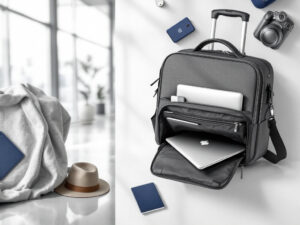
- An anti theft bag that uses slash resistant materials and secure zippers to slow down or stop pickpockets.
- A secure wallet with RFID blocking and strong closures, such as the Zero Grid Anti Theft Wallet, which even offers reimbursement up to a set amount if stolen.
- A few Apple AirTags or similar trackers so you can monitor luggage and high value items and improve your chances of recovery if they go missing.
If you want to see how these tools fit into a larger strategy, explore this guide to travel safety gear.
Protect your health and physical safety
Health issues and physical accidents are among the most common travel problems. Prioritizing your body and well being is a core part of personal safety for travelers, especially when medical care is unfamiliar or far away.
Manage medical risks and insurance
Before you travel, talk with your doctor or a travel clinic about vaccines and medications that are appropriate for your destination. Some countries require proof of specific vaccinations for entry, so verify those as part of your pre trip research.
Next, address the financial side of health risks. Consider buying travel insurance that includes emergency medical coverage, evacuation benefits, and trip interruption protection. Travel insurance tailored to your style of travel, such as solo, family, or frequent business, can make a major difference if you have an accident or serious illness abroad. You can compare options using this guide to travel safety insurance.
Prevent common accidents
Fractures from slips or falls account for about 40 percent of medical emergencies abroad, according to guidance from Emergency Assistance Plus. Many of these incidents happen on wet floors, uneven sidewalks, and unfamiliar stairs.
To reduce your risk:
- Wear shoes with solid traction instead of slick soles, especially on sightseeing days.
- Take a moment to scan for hazards whenever you arrive in a new place, such as loose rugs, poorly lit stairwells, or unexpected steps.
- Use handrails and avoid rushing, especially while carrying heavy bags or using your phone.
Water accidents are another major cause of serious injury and death for travelers. Accidental drownings and related incidents are a leading cause of death for Americans abroad, even for strong swimmers. Always check local currents, follow posted warnings, wear life jackets on boats, and skip swimming if you have been drinking.
Road safety is critical as well. The U.S. Department of State estimates that more than 200 U.S. citizens die each year in road accidents abroad, which makes traffic risk one of the most serious threats to travelers. Before driving:
- Review local driving rules and norms.
- Consider getting an International Driving Permit from an approved source such as AAA or AATA, since the U.S. government only recognizes IDPs from these organizations.
- Avoid driving when tired or after drinking, and be extra cautious at night.
You can find more targeted advice for different forms of transportation in this guide to travel safety driving tips.
For more health focused preparation, including vaccinations, food safety, and local medical options, see the broader overview of travel safety and health.
Secure your money, devices, and identity
In many destinations, petty theft is far more common than violent crime and often targets travelers carrying visible valuables. Your goal is not to eliminate every risk, but to make yourself a harder target and to limit the damage if something is stolen.
Use smart money habits
Spread out your funds in layers:
- Keep a small amount of local cash in an easy to access pocket or basic wallet for daily purchases.
- Store the bulk of your cash and backup cards in a hidden interior pocket or money belt that stays on your body.
- Use hidden pockets in pickpocket proof clothing, such as Clever Travel Companion garments, which are designed specifically to secure passports, cards, and cash without a visible purse.
When paying in busy or touristy areas, take your time. Confirm prices before you order, count your change in front of the cashier, and avoid pulling out a thick stack of bills. In Europe, be extra careful not to accept non European coins passed off as euros.
Using mobile payment apps instead of cash reduces opportunities for pickpockets and scammers. If you pay with a card, keep it in sight and avoid letting anyone walk out of view with it to prevent skimming or surreptitious photographs.
If your wallet or cards are stolen, contact your bank immediately using international hotline numbers saved offline. Ask them to block the cards and discuss emergency funds while you arrange backup payment methods or wire transfers. Some services, such as Emergency Assistance Plus membership, can provide cash advances to bridge the gap.
Protect your devices and online life
Digital security is part of personal safety for travelers because your phone and laptop often hold boarding passes, bank apps, and identity documents. Public Wi Fi can be risky, especially in airports and hostels, so connect through a Virtual Private Network (VPN) whenever possible. Services like NordVPN with Threat Protection can help protect your data from hackers on unsecured networks.
Additional habits that help:
- Use strong, unique passwords and turn on two factor authentication for key accounts.
- Avoid public computers for banking or anything that needs a password, since some may record your keystrokes.
- Keep your phone locked with a PIN or biometric setting and turn on tracking so you can locate or erase it if stolen.
For a deeper look at tools and apps that can support you, review this guide to travel security technology.
Stay safe in transit
Airports, train stations, and buses are crowded, unfamiliar, and full of distractions, which makes them prime locations for theft and scams. A simple transit routine will keep you safer without adding stress.
Airports, flights, and connections
At home, set up a consistent system for your passport, wallet, and phone. For example, your passport always goes in the same zippered inside pocket and never in a tote or open backpack. When you travel, stick to that system so you can instantly tell if something is missing.
During security and boarding:
- Keep handbags, backpacks, and phones on your person or between your feet, not on empty chairs or far overhead.
- Use a small crossbody bag or waist pack for essentials that stays on you, even on the plane.
- During sleep, loop a strap through your arm or leg or place valuables between you and the wall.
Missing a flight or train can happen even when you are careful. If it does, take a breath, then head straight to customer service, call the airline app help line, and ask about rebooking. Having travel insurance that covers delays and missed connections will make these incidents more manageable.
You can tune up your entire airport routine with this guide to airport security tips.
Ground transportation and rides
When using taxis, rideshares, or local drivers, confirm fares before you get in and only use official stands or reputable apps. Overpriced rides are a common scam, especially around tourist hubs and train stations.
If you rent a car or scooter, treat local traffic like a higher risk version of home. Wear seatbelts and helmets, keep your license and IDP with you, and remember that in some countries the rules of the road are not enforced as strictly as you might be used to.
For a more detailed overview of transportation risks and planning, consult this guide to travel security risks.
Choose and secure your accommodation
Your room or rental is your base, so it should feel like a safe, calm space. A few habits and simple gear upgrades go a long way here.
Picking a safer place to stay
When you book, read reviews for mentions of neighborhood safety, lighting, and door or lock issues. Avoid properties with frequent comments about strangers in hallways, broken locks, or poor communication from hosts.
Pay attention to:
- Location close to main streets or public transit.
- Secure entry systems, such as staffed front desks or coded gates.
- Fire safety, including clear exits and working alarms.
Vacation rental scams are a growing problem. Before you send payment, confirm that the listing exists by searching the address and reviewing the rental company’s official site. Watch for prices that seem unrealistically low or insist on payment through untraceable methods.
Make your room more secure
When you arrive, do a quick safety scan:
- Check that doors and windows lock properly.
- Find the nearest exit and stairwell.
- Store your passport and spare cards in a safe or locked bag.
Then, take simple steps to add security:
- Use a rubber door stop on inward opening hotel or rental doors to reduce the risk of intrusion at night.
- Leave a light or TV on when you are out to make the room appear occupied.
- Keep valuables out of view from windows and never leave passports or electronics lying on the bed or desk.
If anyone arrives claiming to be hotel staff or an inspector, call the front desk to confirm before letting them in. Fake inspectors can be a cover for theft. For more detailed strategies, read this dedicated guide to hotel safety tips for travelers.
Avoid common scams and petty crime
Scams evolve quickly, but the patterns are surprisingly similar from city to city. When you understand those patterns, it becomes easier to spot problems early.
Street scams and distractions
In many popular destinations, thieves work in teams. One person distracts you while another grabs your wallet, phone, or bag. Common setups include:
- Aggressive beggars or vendors crowding you while someone else works your pockets.
- People insisting on tying a “friendship” bracelet on your wrist or placing jewelry, such as a “found” gold ring, in your hand and then demanding payment.
- Staged spills or accidents meant to make you look away from your bag.
- Strangers offering unsolicited help at ticket machines or ATMs so they can watch your PIN or grab your card.
Stay polite but firm. If you feel crowded, move away and put your hand over your bag or pockets. Do not sign petitions, accept unexpected gifts, or hand your phone to a stranger to take a photo unless you are confident about the situation.
Fake officials are another risk. Some scammers pose as police or inspectors and ask to see your wallet or passport, then take cash or cards. In most countries, real officers will not ask to handle your wallet in the street. If you are unsure, ask to go to the nearest police station or call the local emergency number for verification.
For a deeper breakdown of tactics and how to respond, see this guide on how to avoid travel scams.
Online and booking scams
In the digital world, the same rules apply. If an offer looks too good to be true, it usually is. Examples include:
- Emails or ads promising “free vacations” if you just pay taxes or fees upfront. Legitimate prizes do not require you to pay to receive them.
- Robocalls offering amazing discounts on trips if you provide immediate payment details. These are often illegal or at least from very unreliable operators.
- Websites that mimic official government sites and charge high fees for visas, passports, or lotteries, sometimes claiming special access that does not exist.
Only use official government websites for passports and visas and type addresses directly into your browser rather than clicking sponsored links. For more structured advice across all these risks, look at these broader travel security precautions and travel security best practices.
Plan for emergencies and “what ifs”
Even with careful planning, things can go wrong. The goal is not to eliminate every risk, but to give yourself clear, simple steps when trouble appears.
Build a personal emergency plan
Before you travel, write down answers to a few “what if” questions:
- What will you do if your passport is lost or stolen?
- Who will you contact if your wallet disappears?
- How will you respond if you are injured and need urgent care?
A basic plan might look like this:
- Stay calm and get to a safe, well lit public space.
- Call local emergency services if there is an immediate threat or injury.
- Contact your country’s embassy or consulate for serious document issues or legal trouble.
- Notify your travel insurance company to open a claim.
- Reach out to a trusted contact at home and share your location.
Keep key phone numbers written on paper in your wallet or bag, not just in your phone. Include your bank, insurance provider, embassy, and at least one personal emergency contact.
You can cross check your plan with this detailed travel safety checklist and a specialized guide to emergency travel safety tips.
Responding to specific emergencies
Some common scenarios and first steps:
- Missed flight or train. Go directly to customer service, open the airline or rail app, and see rebooking options. Travel insurance that covers delays can reimburse unexpected hotel nights or changes.
- Financial emergency. If your cards are blocked or stolen, use backup payment methods such as a second card, emergency cash stash, or a trusted wire service. Call your bank right away using the international number you saved offline.
- Road accident. Prioritize safety first. Move out of traffic if possible, document the scene with photos, exchange information, and contact your insurance. Follow local laws about reporting incidents, which might differ from home.
If you want a more technical look at patterns and risk management, explore this resource on travel security awareness.
Special tips for solo, women, seniors, and students
Personal safety for travelers is not one size fits all. Different groups face different challenges, and a few extra steps can make a big difference.
Solo and women travelers
Solo travelers often juggle both logistics and self protection on their own. A balanced approach helps: stay prepared, but also open to positive experiences.
Focus first on physical safety and documents, then money. This hierarchy keeps you grounded if you need to make quick decisions, such as leaving a bag behind to exit a risky situation.
For solo women, specific strategies might include:
- Sharing your live location with a trusted friend or family member when meeting new people.
- Choosing accommodations with strong reviews from other solo women.
- Using personal alarms and door stops consistently at night, even when a place feels safe.
You can find more focused guides in safe solo travel tips, travel safety for women, and travel safety tips for solo female travelers.
Seniors, students, and backpackers
Seniors may need to plan around mobility, medication, and energy levels. Factor in extra time between connections, keep medications in carry on bags, and note the locations of elevators or ramps in stations and hotels. A fall can have more serious consequences, so shoes with good grip and a measured pace are especially important.
Students and backpackers often travel on tight budgets and may feel pressured to choose the cheapest options. Try to avoid saving a few dollars at the cost of safety, such as unregulated rides, poorly reviewed hostels, or remote walking routes at night.
Dedicated guides like travel safety for seniors, travel safety for students, and travel safety for backpackers can help you tailor these general principles to your specific situation.
Use tech and apps without overcomplicating things
Technology can make personal safety for travelers easier as long as you keep it simple. Pick a small set of tools and learn them well instead of installing dozens of new apps the week before your trip.
Consider:
- A reliable VPN for safe browsing on public Wi Fi.
- A main messaging app for staying in touch with friends or family.
- Airline, train, and transit apps for live updates and digital tickets.
- A secure password manager.
Location sharing with a trusted contact gives extra peace of mind when you are exploring alone or taking unfamiliar transportation. Just remember to protect your phone with a passcode and avoid granting location access to untrusted apps.
To see recommendations reviewed with safety in mind, take a look at curated travel safety apps and broader travel security advice.
Turn best practices into your personal routine
A powerful way to improve personal safety for travelers is to turn advice into a routine you can repeat on every trip. For example, you might:
- Check the latest Travel Advisory and enroll in STEP as soon as you book flights.
- Review local laws, traffic rules, and water safety guidance the week before departure.
- Pack your standard safety kit, including a first aid kit, door stop, personal alarm, and secure wallet.
- Set up your money and devices with layered backups and VPN access.
- Review your emergency plan and share your itinerary with a trusted contact.
Over time, these routines become automatic and you spend less energy worrying about “what ifs.” You can continue refining your approach with guides like traveling safety measures, travel security best practices, and this general overview of travelers safety and security.
You do not need to be fearless to travel safely. You just need a clear plan, a few smart tools, and the confidence to act early when something feels off. Start with one improvement today, such as enrolling in STEP or adding a rubber door stop to your packing list, and build from there.
FAQs
What’s the #1 personal safety rule for travelers?
Prioritize in order: your body/health, then passport and vital documents, then money and devices—it keeps decisions simple under stress.
Should I enroll in STEP?
If you’re a U.S. citizen traveling abroad, yes—STEP is free and sends embassy alerts and updates.
What should I do if my passport is stolen?
Report to local police, then contact your embassy/consulate immediately to start replacement/emergency travel documents.
How do I reduce pickpocket risk fast?
Use layered cash, keep valuables out of sight, and stick to a consistent “passport/phone pocket” routine—especially in transit hubs.
Is public Wi-Fi dangerous for travelers?
It can be. Use a VPN when possible and avoid sensitive logins on unknown networks.
Do I really need travel insurance?
It’s worth considering—your domestic health insurance may not cover care abroad, and evacuation can be expensive.
What’s the most common travel injury type?
Fractures from slips/falls are frequently cited as a major category of medical emergencies abroad—watch footing, lighting, and stairs.
How do I spot travel scams quickly?
Beware “free” trips that require fees, pressure to pay immediately, or demands for wire transfer/gift cards.