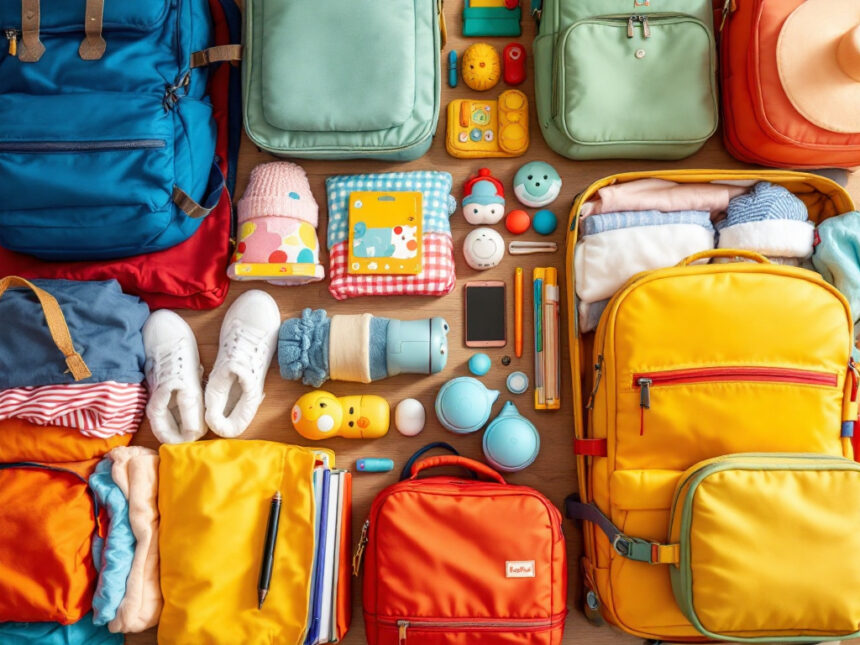
Organizing kids’ travel bags can mean the difference between a smooth trip and one long scavenger hunt for missing socks, snacks, and stuffed animals. With a few smart systems, you can pack light, stay organized, and still have everything your kids need within reach.
Below, you will find practical, step-by-step strategies to simplify packing before you leave and to keep things orderly all the way through your trip.
Start with a simple packing plan
Before you pull out a single suitcase, decide what you are packing, how much, and where it will live. A little planning up front makes the rest of organizing kids’ travel bags much easier.
Think in categories instead of individual items. Common categories for kids include clothes, pajamas, swim, shoes, toiletries, snacks, toys and entertainment, electronics, and special items like loveys or nightlights. This mirrors many smart packing category organization systems, and it keeps you from overpacking “just in case” items.
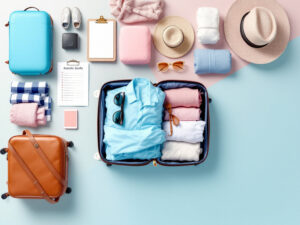
If you like working from a list, use or adapt a printed or digital packing checklist for organized travel. Older kids can use the list to help pack their own things, which saves you time and teaches them how to prepare for a trip.
A helpful starting rule for clothes is one set of underwear, socks, and an outfit for each day of the trip, plus one backup set. You can then adjust up or down depending on access to laundry.
Choose the right bags for your family
The bags you choose will shape how easy it is to pack, carry, and find things on the go.
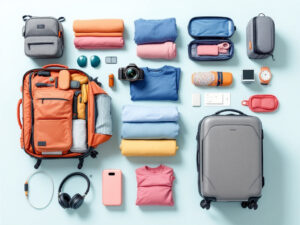
For many families, one shared checked suitcase plus individual kid carry-ons works well. The shared suitcase can hold everyone’s clothes using cubes or organizers, while each child gets a backpack or small roller for flight or car essentials. This setup pairs nicely with packing light and organized strategies because you are limiting total luggage while still giving kids a sense of ownership.
Helpful bag types
- A medium or large suitcase for shared clothing
- Kid-size backpacks for plane or car activities
- A tote or crossbody for your own essentials
- A lightweight duffel or extra foldable bag for souvenirs on the way home
If you tend to overpack, it can be useful to read up on minimalist packing organization and how to pack efficiently for travel so your bag size matches a realistic packing list.
Use packing cubes to separate each child
Packing cubes are one of the easiest ways to keep kids’ things from turning into a jumbled pile in a suitcase. When you are organizing kids’ travel bags, think of each cube as a mini dresser drawer in soft form.
Use one cube per child or one cube per clothing type. Many parents prefer one cube per child, preferably in different colors so that every kid knows which is theirs. This way, even if all the clothes are in a shared suitcase, you can pull out just the correct cube at bedtime or in the morning.
You can also organize by day. For example, create a cube that holds complete outfits for Days 1–3 and another for Days 4–6. This approach works nicely with organizing packing by outfit if you like having fully planned looks.
Rolling clothing tightly before placing it in the cube helps maximize space and minimize wrinkles. Rolling also makes it easy for kids to grab a single shirt or pair of shorts without disturbing everything else.
If you want more ideas for how to arrange cubes, explore packing cubes organization ideas and packing cubes packing strategies.
Try outfit-based packing for stress-free mornings
Packing outfits together instead of separating tops, bottoms, and underwear can save you time every single travel morning.
You can do this two main ways:
- Roll entire outfits together, including socks and underwear, then place the rolls into a cube.
- Use labeled Ziploc bags to hold each day’s complete outfit, including any accessories.
Both methods cut down on decision-making and digging through bags. They are especially useful if other caregivers or grandparents may be dressing your kids during the trip because the choices are laid out for them.
This outfit-based approach works hand in hand with a broader packing system for organized trips. You decide once at home what your kids will wear, then you simply pull out “Tuesday” or “Day 2” on the road.
Roll, do not fold, for kids’ clothes
For most kids’ items, rolling instead of folding gives you more space and less mess.
Rolled items:
- Fit more tightly into cubes and corners of bags
- Are easier to see at a glance
- Create fewer deep wrinkles in soft fabrics
Group similar items, for example all t-shirts or all pajamas, and roll them into neat cylinders. If you are using cubes, line the rolls side by side like sushi so you can see every piece without digging.
You can combine this with outfit-based packing by rolling full outfits together. That way, your child can reach in, grab one roll, and have everything they need to get dressed.
If you are new to using rolling in your process, resources on efficient packing techniques and travel packing organization hacks can help you fine-tune your approach.
Maximize space with smart shoe and accessory packing
Shoes and accessories can secretly eat up a lot of room in kids’ travel bags. A few simple choices help keep them under control.
First, limit shoes to a realistic minimum. A useful guideline is one comfortable walking pair and one optional pair, plus flip-flops for the pool or beach if needed. Keeping shoes in check leaves more room for clothes and essentials.
When you do pack shoes, use the space inside each one. Stuff socks, underwear, or small toys into kids’ shoes. This helps the shoes hold their shape and puts every bit of suitcase space to work. For additional strategies, see focused packing shoes organization tips.
Accessories like hats, belts, and hair supplies can go into a small pouch or flat packing envelope so they are not floating loose in the suitcase. A compact approach here keeps outfits easy to complete once you arrive.
Organize toiletries and wellness items separately
Kids’ toiletries deserve their own system so you are not digging for toothpaste at bedtime.
A hanging toiletry bag is a simple solution. It keeps everything together in one place, and when you arrive you can hang it on a towel bar, hook, or door knob. Many hanging organizers have clear or mesh pockets so you can see where each child’s toothbrush or hairbrush is.
You can:
- Group items by child, for example each kid gets a section
- Or group by type, such as dental, bath, hair, and medicine
Some families also use hanging toiletry organizers for non-bathroom items like medicine, small art supplies, or jewelry. The hook design works well in hotel rooms where counter space is limited.
For a deeper dive into putting together a streamlined kit, check out organizing toiletries for travel and other packing accessories for organization that keep small items contained.
It is also smart to pack sanitizing wipes, gentle baby wipes, a small first aid kit, and any medications in an easy-access pocket. That way you are prepared for sticky fingers or minor scrapes without unpacking everything.
Use envelopes, pouches, and organizers for small items
Packing cubes are great for clothes, but other organizers help you corral snacks, toys, and electronics.
Packing envelopes, which are flatter than cubes, work well for slim or loose items such as:
- Color-through books or sticker pads
- Diapers or pull-ups
- Small snacks
- Important documents like confirmation printouts
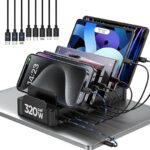
A dedicated cable organizer can save you from untangling everyone’s chargers every night. Tuck in tablet chargers, kid-safe headphones, a portable sound machine, and any camera or gaming device cords. That way you know exactly where tech lives and you are not digging through multiple pockets at bedtime.
If you travel frequently, it can be worth building a set of go-to travel packing organization tools that always live in your suitcase or closet, ready to be refilled.
Pack kids’ carry-ons for independence and calm
Your child’s carry-on bag is less about storage and more about in-transit comfort. Think of it as a portable calm kit.
A helpful rule of thumb is that each child’s carry-on should hold:
- One full change of clothes
- Pajamas and a small blanket or sweatshirt
- Any must-have comfort item, for example a lovey or favorite stuffed animal
- A swimsuit if you might reach a pool before your room is ready
- A small toiletry kit with toothbrush, comb, and any nightly necessities
Beyond essentials, you can add entertainment and snacks. Choose two or three toys or books per child and skip anything with hundreds of tiny pieces. Some parents like to introduce a new small toy every few hours on a plane or long car ride, which keeps kids interested without having to pack a huge toy bin.
Before you leave, charge all devices fully and pre-download movies or shows. If your kids use tablets or phones, pack child-sized wireless headphones and a simple stand so they do not need to hold the screen the whole time.
If you want to streamline your own carry-on at the same time, you can adapt kid strategies to adult bags using organized carry-on packing tips and how to pack a backpack efficiently.
Layer the suitcase by what you need first
The way you place items into each bag affects how easy it will be to find what you need while traveling.
A useful approach is to think in layers:
- Bottom: things you will not need until you reach your destination, such as extra outfits or backup shoes
- Middle: everyday items like regular outfits and pajamas
- Top: first-night bag, toiletries, and any change of clothes you might need quickly
Your first-night bag is especially helpful. This can be a small cube or pouch holding pajamas, toothbrushes, basic toiletries, medications, chargers, and a small toy or book. After a long travel day, you can pull out just this one bag instead of unpacking the whole suitcase.
When you are layering your kids’ travel bags this way, imagine what you will reach for in the first two hours after arriving and keep those items easiest to grab.
Keep dirty and clean clothes under control
If you do not plan for dirty clothes, they will quickly swallow your careful organizing.
Place a large plastic or fabric laundry bag inside each suitcase before you travel. As clothes are worn, add them to the laundry bag instead of back into cubes or drawers. This keeps smells contained and makes it simple to sort when you get home or find a laundry room.
If your hotel provides large plastic laundry bags, you can use those as well. Just remember to empty them before you check out.
For families who like to track exactly what they packed, keeping your original organize your packing list handy lets you quickly see which items are still clean and what has been used.
Give kids age-appropriate packing jobs
Involving kids in organizing their own travel bags does not only help you, it also gives them a sense of control and responsibility.
Younger children can:
- Choose a small selection of toys or books, from options you pre-approve
- Place rolled outfits into their cube
- Add their lovey or blanket to their carry-on
Older kids can:
- Use a printed checklist to gather all items for their category
- Roll their own clothes and arrange them in cubes
- Decide how to organize their backpack pockets
You can show them simple packing organization tips and let them adapt those ideas to their style. Over time, many kids become surprisingly good at pack smart and organized habits when they travel often.
Build a repeatable packing system
Once you find a method that works for your family, capture it so you can repeat it with less effort next time.
You might:
- Save a reusable digital packing list for each child
- Keep one bin in your closet for travel-only items, such as hanging toiletry bags, extra cubes, and cable organizers
- Store kids’ passports, frequent flyer cards, and small luggage tags together in a single pouch
As you refine your process, explore broader resources like organized packing for vacation, packing bags organization ideas, and packing containers for organization. Many of the same systems that help adults with business or festival trips, like packing organization for festivals or organized packing for business trips, can be adjusted for family travel.
Quick reminder: you do not need a perfect setup to have a smooth trip. Even two or three new habits, such as using one cube per child and packing a first-night bag, can dramatically cut stress.
Key takeaways for organizing kids’ travel bags
- Plan categories first so you know what needs to fit in each bag.
- Use one packing cube per child or per day to keep outfits sorted.
- Roll clothing and, when helpful, roll full outfits together for easy mornings.
- Limit shoes and use the inside of each pair to store socks or small items.
- Keep toiletries in a hanging bag and build a small wellness kit for wipes and medicine.
- Give each child a carry-on with one full change of clothes, pajamas, and comfort items.
- Layer your suitcase by what you will need first, and pack a dedicated first-night bag.
- Contain dirty clothes in a separate bag so clean items stay fresh.
With these systems in place, organizing kids’ travel bags becomes a straightforward routine rather than a last-minute scramble. You can spend less time hunting for missing pajamas and more time enjoying the trip itself.
FAQs
What’s the easiest system for organizing kids’ travel bags?
Start with categories, then use one packing cube per child (or per day). It’s the fastest “no-mess” setup to maintain.
How many outfits should I pack per child?
A practical baseline: one outfit per day + one backup, then adjust for laundry access and climate changes.
Should kids have their own carry-on?
Yes—if age-appropriate. Keep it light and focused on comfort: change of clothes, a cozy layer, comfort item, snacks, and simple entertainment.
How do I keep toiletries from turning into a nightly search?
Use a hanging toiletry bag with clear pockets. Add a tiny “bedtime pocket” for toothbrush, hairbrush, and nightly essentials.
What belongs in a “first-night bag”?
Pajamas, toothbrushes, basic toiletries, medications, chargers, and one small calming activity—so bedtime is smooth even if you arrive late.
How do I manage dirty laundry without wrecking the suitcase?
Pack a dedicated laundry bag from day one. Dirty clothes go in immediately—no “re-contaminating” clean cubes.
Any security-friendly tips for kids’ liquids and food?
Rules vary, but the TSA notes special screening for kid-related liquids/food items, and you may be asked to open items for inspection.