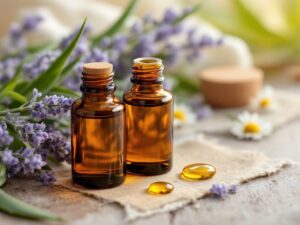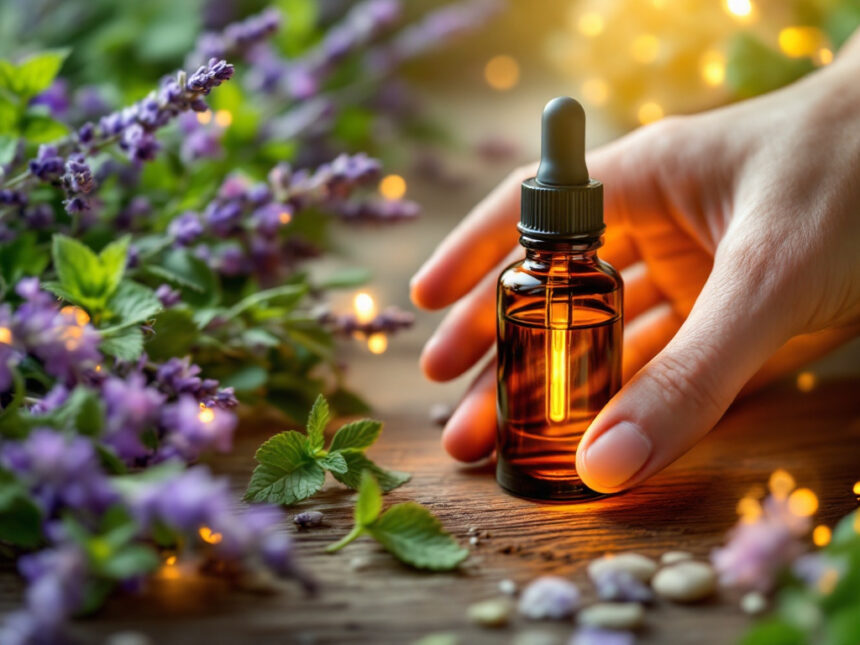
Aromatherapy and essential oils have gained attention as gentle helpers for joint discomfort. If you live with arthritis, you know pain is only part of the story. There can be stiffness, swelling, sleep troubles, and stress. While essential oils for arthritis will not cure the condition, some people find they make daily symptoms a bit more manageable when used safely alongside medical treatment.
This guide walks you through the best essential oils for arthritis, how they may help, and simple ways to use them without guesswork. You will also see where the research stands so you can decide what fits into your own routine.
Audifort - Top Brain and Hearing
What essential oils can and cannot do for arthritis
Essential oils are highly concentrated plant extracts. When you use essential oils for arthritis, you are usually aiming for one or more of these effects:
- Less joint pain or stiffness
- Reduced swelling or warmth
- Better sleep
- Lower stress and anxiety related to chronic pain
Studies suggest some oils have anti-inflammatory or pain relieving properties. For example, a review of 31 essential oils found that many reduced inflammation and joint symptoms in arthritis models in the lab and in animals. This does not mean they replace medications like NSAIDs or disease modifying drugs.
Think of essential oils as:

- A complementary tool, not a cure
- Helpful for comfort, relaxation, and possibly mild pain relief
- Something you should use alongside your doctor’s plan, not instead of it
If you are new to plant based remedies, you might want to skim general essential oils benefits first, then come back to focus on arthritis.
How essential oils may help arthritis pain
Arthritis pain is complex, but two main pieces are inflammation and the way your brain processes pain signals. Essential oils may work on both.
Targeting inflammation in joints
In several animal studies, specific oils and their compounds reduced swelling and inflammatory markers:
- Turmeric essential oil prevented 95 to 100 percent of joint swelling in animals with induced arthritis and relieved about 68 percent of inflammation even when used after a flare had already peaked.
- β caryophyllene, a natural compound found in many essential oils, lowered paw volume and inflammatory markers in arthritic rats, and even improved the effect of drugs like methotrexate while reducing side effects such as myelosuppression and liver toxicity.
- Cinnamaldehyde, a major compound in cinnamon oil, significantly reduced reactive oxygen species, nitric oxide, and pro inflammatory cytokines like TNF alpha and IL 6 in arthritic rats by affecting IL 1β triggered JAK STAT pathways.
These are early findings and mostly in animals. They show potential anti inflammatory activity, but they do not guarantee the same results in humans. Still, they give some clues as to why certain oils may feel soothing when applied to achy joints.
Changing how your brain experiences pain
Aromatherapy also works through your nervous system. When you inhale essential oils, scent receptors send signals to the brain’s emotional center, the amygdala. This can trigger the release of hormones like dopamine, which may ease pain perception and support a calmer mood.
In one study, people with chronic pain who inhaled a blend of bergamot and lavender essential oils over four months reported reduced pain levels. Another trial found that a ginger and orange essential oil massage eased pain and stiffness in people with moderate to severe knee pain more than an unscented massage oil.
These human studies are small and do not focus only on arthritis, but they suggest that scent based therapies can play a role in pain management for some people.
Best essential oils for arthritis pain and stiffness
Below are some of the most studied and commonly used essential oils for arthritis. You will see what the research says and how each one may fit into your routine.
Ginger: Warming relief for achy joints
Ginger essential oil contains gingerol, a compound linked to anti inflammatory effects that can be similar to ibuprofen in some models. In osteoarthritis studies from January 2019, about 95 percent of people with knee OA who used ginger reported less pain and better physical function.
In a separate study, a massage oil made with ginger and orange essential oils reduced knee pain and stiffness more than an unscented oil.
You may like ginger oil if you want a warm, slightly spicy scent and a topical massage oil that feels comforting on stiff knees or hands.
Turmeric: Anti inflammatory potential
Turmeric is often discussed for joint health in supplement form, but its essential oil also shows strong anti inflammatory activity in animals. In a 2010 study, turmeric essential oil prevented nearly all joint swelling when given before inflammation, and still reduced it by about two thirds when applied after acute inflammation had already peaked.
You can use turmeric oil in a diluted massage blend for inflamed joints. It is powerful, so start low and slow, and always dilute well.
Basil: Gentle anti inflammatory support
Basil essential oil has also demonstrated anti inflammatory effects and may help quiet some of the processes that drive joint pain when used topically in a carrier oil. It pairs well with ginger or rosemary in a massage blend.
Because basil is quite strong, avoid using it undiluted or on very sensitive skin.
Lavender: Pain, stress, and sleep support
Lavender is one of the most researched essential oils for stress and anxiety. Studies show it can reduce anxiety symptoms in small to medium sized clinical trials, which matters because chronic pain and emotional distress often feed into each other.
Lavender has also been linked with better sleep quality. One study found that inhaling lavender improved restorative slow wave sleep and helped people wake feeling more refreshed.
For arthritis, lavender can support you in three ways:
- Soft pain relief when used in blends
- Calmer mood around flare ups
- Deeper sleep, which often makes next day pain easier to handle
If sleep is a major struggle, you may also want to explore the best essential oils for sleep.
Vanilla: Soothing stress during flares
Vanilla essential oil is not usually the first oil people think of for arthritis, but research suggests it may help with stress. In a 2012 study at Columbia University Medical Center, people who inhaled vanilla essential oil during a stress test had more stable heart rate and blood pressure compared with those who did not.
If your pain spikes when you are stressed, a vanilla diffuser blend in the evening might help keep your nervous system steadier.
Rosemary: Numbing local pain
Topical rosemary oil can have a mild numbing effect on nerves at the site of application, which can make joint pain feel less intense. Aromatherapy experts note that while inhaling rosemary may help you relax, applying it directly to painful joints tends to be more effective for pain relief.
Rosemary also blends well with lavender, peppermint, and marjoram in arthritis massage formulas.
Peppermint and eucalyptus: Cooling comfort
Cooling oils like peppermint and eucalyptus are often used for muscle aches, but they can also feel soothing on hot, swollen joints, especially when combined with anti inflammatory oils.
They work partly by activating cold sensitive receptors in the skin, which can distract from deeper pain. Since they are strong, you will want to use a lower dilution on sensitive areas such as the knees or hands. If muscle soreness is also part of your picture, you might like to read more about essential oils for muscle pain.
Blends that have been studied
Instead of single oils, some research looks at blends:
- A combination of eucalyptus, lavender, marjoram, rosemary, and peppermint used in a 2005 study on rheumatoid arthritis significantly reduced pain and depression in participants and was well tolerated.
- An ointment containing 20 percent essential oils from 16 plant species, including Eucalyptus globulus and Eugenia caryophyllata, applied twice daily to arthritic rats, decreased clinical arthritis severity and lowered TNF alpha, IL 1β, and matrix metalloproteinase activity in joint tissues.
These formulas are more complex than what you need at home, but they tell you that strategic blends can be effective rather than relying on only one oil.
Safety first: How to dilute and use essential oils for arthritis
If you have kids, pets, asthma, or sensitive skin in your household, it is worth setting a few ground rules before you bring essential oils into your arthritis routine.
Dilution basics for topical use
Essential oils must be diluted in a carrier oil before they touch your skin. This reduces the risk of irritation or burns.
A common guideline is:
About 12 drops of essential oil in 1 ounce (30 ml) of carrier oil for adult use on small areas
That equals a 2 percent dilution, which is considered safe for many adults for daily use.
Carrier oils you can use include:
- Sweet almond
- Jojoba
- Avocado
- Fractionated coconut
- Grapeseed
Experts, including Dr Mehmet Oz and other aromatherapy practitioners, recommend always diluting oils like lavender, chamomile, and eucalyptus in carrier oils such as almond, avocado, or jojoba before applying to the skin.
If you are not sure about dilution, you can learn more in this guide to how to dilute essential oils.
Patch testing for sensitive skin
Even properly diluted oils can bother some people. To be safe:
- Mix your oil blend at the dilution you plan to use.
- Apply a small amount to the inside of your forearm.
- Wait 24 hours and watch for redness, itching, or burning.
If your skin stays calm, it is usually safe to use the blend on a larger area such as the knee or shoulder.
Inhalation and aromatherapy
Inhaling essential oils is often gentler on the skin and still very effective for mood, stress, and sometimes pain perception. You can:
- Use a diffuser with water and a few drops of oil
- Add 1 or 2 drops to a tissue and inhale gently
- Use a personal inhaler for on the go relief
Aromatherapy works by stimulating smell receptors in your nose, which then influence your nervous system and hormones like dopamine in the amygdala, the brain’s emotional center. This can quickly shift your mood, sometimes easing pain and promoting relaxation.
If you are curious about broader uses, you might like to explore essential oils for aromatherapy or essential oils diffuser blends.
When to be extra cautious
Some oils require extra care in arthritis blends:
- Wintergreen contains methyl salicylate, similar to aspirin. Too much can cause poisoning, especially if combined with blood thinners. Use only under guidance from a certified aromatherapist.
- Strong oils like cinnamon, clove, and oregano are very hot on the skin. Keep them at low dilutions, or skip them if you have sensitive skin.
- Children, pregnant people, and those with epilepsy or asthma should use many oils only with professional guidance.
If safety is your top priority, choosing gentler oils like lavender, chamomile, and frankincense and sticking to lower dilutions is a good place to start.
Simple ways to use essential oils for arthritis at home
You do not need complicated recipes or a huge collection of bottles to get started. Here are practical, low effort options that fit into a typical day.
1. Targeted joint massage
Massage combines the physical benefits of touch with the properties of the oils and can increase circulation to stiff joints.
For an easy joint oil:
- 1 ounce (30 ml) carrier oil
- 4 drops ginger
- 4 drops lavender
- 4 drops rosemary
Mix in a small glass bottle. Gently massage into knees, hands, or ankles once or twice a day as needed.
If you already enjoy essential oils for massage, you can adapt your favorite blends with more anti inflammatory oils for sore joints.
2. Warm compress for morning stiffness
If mornings are rough, try a warm compress:
- Fill a bowl with warm (not boiling) water.
- Add 3 to 4 drops of lavender and 2 drops of ginger.
- Swirl to disperse, then soak a clean cloth.
- Wring out and place over the stiff joint for 10 to 15 minutes.
The heat plus gentle scent can loosen stiffness without overwhelming your senses.
3. Evening diffuser for pain and sleep
A simple diffuser blend can address both discomfort and restlessness:
- 3 drops lavender
- 2 drops vanilla
- 1 drop frankincense or chamomile
Run the diffuser in your bedroom 30 to 60 minutes before bed. This may support relaxation and help your brain downshift from pain focused thoughts. For more ideas, visit essential oils for relaxation or essential oils for stress relief.
4. Bath soak for whole body aches
Baths are an easy way to combine heat therapy with aromatherapy. Since oils do not mix with water, blend them with Epsom salts or a carrier oil first.
Basic arthritis bath:
- 1 cup Epsom salts
- 6 to 8 drops total essential oils such as lavender, ginger, and eucalyptus
Stir the oils into the salts until evenly combined. Add to warm bathwater and soak for 15 to 20 minutes. If you enjoy this, explore more ideas in essential oils for bathing.
5. On the go inhaler for flares
For quick relief during a sudden flare or stressful appointment, a personal inhaler can help steady your breathing and mood.
Blend for calm and comfort:
- 8 drops lavender
- 4 drops vanilla
- 2 drops orange
Add to the inhaler wick, assemble, and inhale slowly when needed. This will not erase joint pain, but it can make tough moments feel more manageable.
Choosing quality oils for arthritis relief
The quality of your oils affects both safety and effectiveness. Since you will be using these on sensitive joints and possibly daily, it is worth being selective.
Look for:
- Clear labeling with Latin plant names
- Batch or lot numbers
- Third party testing for purity and contaminants
- No added synthetic fragrances or fillers
You might see terms like “therapeutic grade” on labels. These are marketing phrases rather than regulated standards, but they can still signal a brand’s quality focus. To understand what they do and do not mean, see this overview of therapeutic grade essential oils.
If you are just starting and want 1 to 3 oils for arthritis, a helpful beginner set might include:
- Lavender, for pain, stress, and sleep
- Ginger, for warming joint massage
- Rosemary or eucalyptus, for added pain relief and circulation
Later, you can branch into more targeted uses such as essential oils for inflammation or essential oils for pain relief in other parts of your body.
How essential oils fit into a larger arthritis plan
It can be tempting to search for one magic bottle that melts joint pain away. In reality, the most helpful approach is usually layered, with each piece doing a small part.
Essential oils tend to work best when you:
- Keep taking prescribed arthritis medications and do not replace them with oils
- Combine oils with physical therapies like gentle stretching, heat or cold packs, and appropriate exercise
- Use them regularly but realistically, for example nightly at bedtime and during flares
- Track what seems to help you, since everyone’s body reacts a bit differently
For example, your personal routine might look like this:
Morning: warm compress with ginger and lavender on knees.
Afternoon: brief walk, then a light massage blend if joints are sore.
Evening: diffuser blend with lavender and vanilla before bed.
Over time, you will notice which oils help with stiffness, which improve your sleep, and which just smell nice without much effect. Adjust from there.
When to talk to your doctor
Even though essential oils are plant based, they are still potent. Check in with your healthcare provider or a certified aromatherapist if you:
- Take blood thinners or have a bleeding disorder
- Are pregnant, breastfeeding, or trying to conceive
- Have asthma, epilepsy, or very sensitive skin
- Plan to use oils daily on large areas
Stop using any oil that causes worsening redness, rash, breathing trouble, or dizziness, and get medical help if symptoms are severe.
If you already use oils for other reasons, such as essential oils for anxiety or essential oils for headaches, let your doctor know that you want to add arthritis specific blends so they can check for interactions with your medications.
Bringing it all together
Using essential oils for arthritis is not about chasing a cure. It is about building small moments of comfort into your day, easing pain where you can, supporting better sleep, and lowering the stress that often goes hand in hand with chronic joint issues.
Start simple with one or two oils, dilute them carefully, and pay attention to how your body responds. With a thoughtful, safety first approach, essential oils can become a gentle, supportive part of your arthritis care toolkit.