A smart water leak can cause thousands of dollars in damage before you even notice it. Smart water leak detectors give you an early warning so you can shut off the water or call for help before a drip turns into a disaster. If you already use smart security cameras for home or a smart home video doorbell, adding leak sensors is one of the easiest upgrades you can make to protect your place.
Below, you will find the top smart water leak detectors for different homes, budgets, and comfort levels with tech. You will also see how they fit into a broader smart home security system so your space stays safe from more than just intruders.
Why smart water leak detectors matter
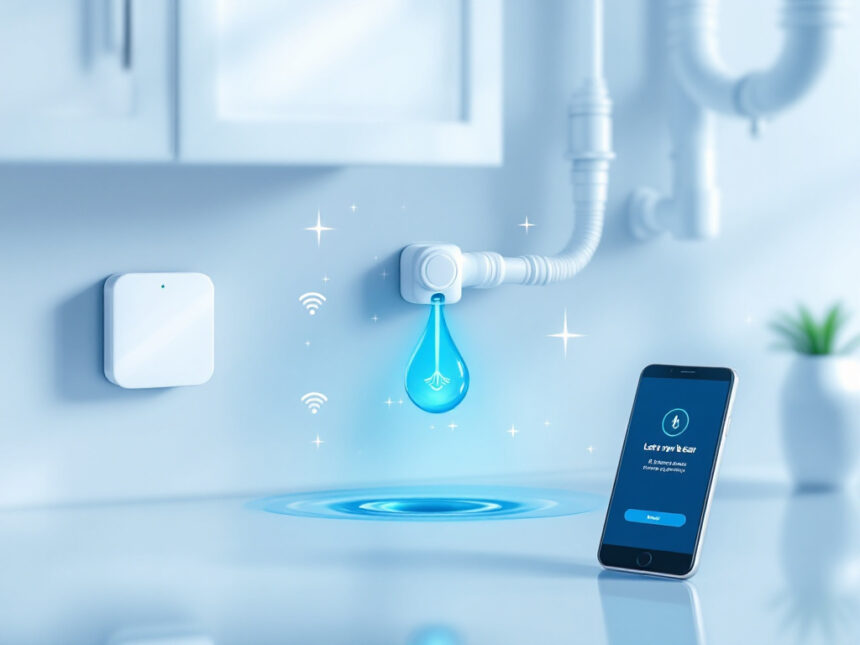
Smart water leak detectors sit quietly near pipes and appliances and constantly look for moisture, freezing temperatures, or unusual water use. When something goes wrong, they send alerts to your phone, sound a siren, or even shut off the water automatically so you can act quickly.
Water damage is both common and expensive. Between 2017 and 2021, the average cost of water damage repairs for U.S. homeowners was $12,514, and many of these incidents could have been less severe with early detection. Smart detectors help you catch issues like slow leaks, overflowing toilets, or burst pipes before they soak walls and floors.
You also avoid wasting water. The U.S. Environmental Protection Agency estimates that household leaks waste more than 1 trillion gallons of water every year, which shows how easily unnoticed drips add up. Smart detectors that monitor flow or shut off the water can cut this waste and lower your utility bill, according to a 2024 Best Buy guide on smart water monitoring systems.

As a bonus, many insurers now offer lower premiums or rebates if you install smart water leak detectors because water damage accounts for about 24 percent of household insurance claims in the U.S. Fewer claims means better prices for you and less hassle overall.
How smart water leak detectors work
Most smart water leak detectors use one or more of the following technologies:
- Moisture sensors that detect puddles, drips, or film of water
- Temperature and humidity sensors that warn of freezing pipes or mold risk
- Flow or pressure sensors that track how much water your home uses and flag unusual spikes
Point‑of‑use sensors are the familiar pucks or slim bars you place under sinks, near washing machines, water heaters, or in basements. Whole‑home systems sit on your main water line and use ultrasonic wavelengths, mechanical turbines, or other flow‑monitoring technology to spot leaks anywhere in the plumbing as described in the 2024 Best Buy guide.

Most smart leak detectors connect to your Wi‑Fi or a small hub and then send alerts to a mobile app. Many models can email you, text you, or even call you when they spot trouble. Advanced systems can automatically shut off the main water supply when they detect abnormal water usage so you do not have to be home to respond.
Best overall: Eufy Water and Freeze Sensor
If you want a reliable, set‑it‑and‑forget‑it sensor that covers the biggest leak and freeze risks, the Eufy Water and Freeze Sensor is a strong starting point.
This battery‑powered sensor looks for both water leaks and freezing temperatures. That dual function is ideal if you live somewhere with cold winters, where a frozen pipe can burst and flood a room in minutes. The sensor runs on a two‑year battery and connects to a Eufy HomeBase hub, which costs around 100 dollars. Once the hub is in place, you can add multiple sensors around your home.
You receive app alerts for leaks and low temperatures, so you can shut off water or add heat before pipes burst. Since it ties into a broader Eufy ecosystem, it can work well alongside other smart devices if you are building out smart home security automation over time.
This pick is best if you:
- Own a home and want long‑term protection
- Live in a colder climate where freezing is a real risk
- Are comfortable setting up a hub for better range and reliability
Best standalone: SwitchBot Wi‑Fi Leak Detector
If you prefer a simple device that connects straight to Wi‑Fi without a separate hub, look at the SwitchBot Wi‑Fi Leak Detector.

This sensor was recognized as one of the best standalone leak detectors because it is:
- Affordable compared with many competitors
- Very easy to set up, since it connects directly to your Wi‑Fi
- Powered by standard AAA batteries with about a two‑year lifespan
- Compatible with Alexa, Google Assistant, and Siri for voice alerts and automations
Place it near a water heater, under a sink, or by a washing machine, and you will get instant app notifications if it detects water. If you are already exploring diy smart home security, this fits naturally into a low‑maintenance, hub‑free setup.
The SwitchBot is ideal if you:
- Rent or move frequently and want portable protection
- Only need a few sensors in key spots
- Want voice assistant integration without investing in a whole ecosystem
Best plug‑in kit: D‑Link Next‑Gen WiFi Water Leak Detector Starter Kit
The D‑Link Next‑Gen WiFi Water Leak Detector Starter Kit is a smart pick if you like the idea of a plug‑in hub with built‑in visual and audible alerts.
This kit includes a plug‑in hub that connects to your Wi‑Fi and has an LED strobe plus a 3‑foot sensor cable you can snake around toilets, water heaters, or along baseboards. It also includes an extra wireless sensor that you can place in a crawlspace or other remote area.
If there is a leak, you get:
- A bright LED strobe on the hub
- Audible alarms
- App notifications on your phone
That combination is useful if you want something that can wake you at night, not just ping your phone. It works well in homes with multiple levels where you might not hear a sensor in a basement or garage without a central hub.
Choose this kit if you:
- Want both local alarms and remote alerts
- Have areas like crawlspaces or unfinished basements that need coverage
- Prefer a plug‑in hub that can serve as a central warning beacon
Best multi‑pack: GoveeLife Upgraded Smart Water Leak Detector
If you want wide coverage across many rooms without spending a fortune, GoveeLife’s Upgraded Smart Water Leak Detector offers a five‑pack of sensors at a very competitive price.
These sensors stand out for:
- A very long wireless range of over 1,800 feet, so you can cover large homes or detached areas
- An impressive five‑year battery life
- Built‑in sirens and red strobe alerts on each sensor
- Multiple notification options including app alerts, email, and text messages
You can place sensors under every sink, next to your washing machine, behind your fridge, and near your water heater and still have units left for a basement or utility closet.
This multi‑pack is ideal if you:
- Own a bigger home that needs coverage in many rooms
- Want redundant alerts in case you miss a phone notification
- Prefer long‑life sensors that you do not have to check constantly
Best for Apple and Zigbee: Aqara Water Leak Sensor
If you already use Apple Home or Zigbee‑based smart devices, the Aqara Water Leak Sensor will fit smoothly into your existing setup.
This small, battery‑powered sensor requires an Aqara hub that costs around 30 dollars. Once connected, it supports:
- Apple Home for tight integration on iPhone, iPad, and Mac
- Zigbee connections for reliable, low‑power performance
- Automation with other Aqara products, such as smart locks and security systems
For example, you can create a rule that flashes your smart lights if a leak is detected or triggers an alarm scene alongside other smart security sensors.
Pick the Aqara sensor if you:
- Already have Aqara or other Zigbee devices in your home
- Prefer Apple‑centric smart home systems
- Want to build coordinated automations across security and safety devices
Best budget coverage: Stechro WiFi Smart Water Leak Detector
The Stechro WiFi Smart Water Leak Detector system gives you a lot of coverage for the cost. It comes with 4 water sensors and 1 gateway that connects to your 2.4 GHz Wi‑Fi network. The gateway supports up to 24 upgraded WD77 sensors, so you can expand coverage later without replacing the system.
Stechro’s sensors offer:
- Adjustable alarm volume up to 120 dB with 32 different ringtones
- Rechargeable batteries that you can keep plugged in while charging to avoid downtime
- Customizable names and locations for each sensor in the TUYA app
- Real‑time app notifications when leaks are detected
This flexibility helps you quickly identify which sensor triggered the alert, for example, “Laundry room sink” or “Basement water heater,” so you know exactly where to go.
Stechro is a practical choice if you:
- Want a budget‑friendly starter kit with room to grow
- Have several leak‑prone spots across a home, condo, or rental property
- Prefer loud local alarms plus app alerts
Best whole‑home shutoff: Flo by Moen Smart Water Shutoff
For the highest level of protection, a whole‑home system with automatic shutoff is hard to beat. The Flo by Moen Smart Water Shutoff installs on your main water line and continuously monitors water flow throughout your entire plumbing system.
After a 7 to 10 day learning period, it understands your home’s typical water usage and can detect unusual patterns that may indicate:
- Hidden pipe leaks inside walls
- Running toilets or open taps
- Slow drips that would otherwise go unnoticed
The system can automatically shut off your main water supply when it detects a serious issue. It also generates water usage reports by fixture and provides insights that help you conserve water. This makes it ideal for frequent travelers or anyone who wants to take a more environmentally conscious approach to home water use.
Installation usually requires a professional plumber and the unit costs around 500 dollars, but the mix of leak prevention, automatic shutoff, and usage data provides strong protection and could help with insurance discounts.
If you want to extend that protection, you can pair a Flo Smart Water Monitor & Shutoff with Moen Smart Leak Detectors that sit in specific rooms. The leak detector connects to local Wi‑Fi using the Flo by Moen app. You can nickname each detector by location, such as “Kitchen sink” or “Guest bath,” and you can customize alerts for humidity, temperature, and battery level. When combined, the shutoff valve can turn off the water automatically if any detector senses a leak.
Best whole‑home monitor without shutoff: Flume 2 Smart Home Water Monitor
The Flume 2 Smart Home Water Monitor is a less invasive whole‑home option. It straps to your existing water meter and uses external sensors to track flow. You do not need to cut pipes or call a plumber, which makes it attractive for renters or anyone who cannot modify plumbing easily.
Flume 2 tracks your total water use, spots potential leaks, and sends warnings through its app. It does not have an automatic shutoff valve, so you still have to manually close your main water valve if something goes wrong. Still, it provides a detailed picture of your water habits and can help you find hidden leaks or waste.
This model is best if you:
- Want whole‑home monitoring but cannot install a shutoff valve
- Prefer a DIY installation you can remove when you move
- Are focused on water conservation and analytics
Best for large properties on a budget: Orbit B‑Hyve Smart Flood Sensor
The Orbit B‑Hyve Smart Flood Sensor system offers a cost‑effective way to cover a lot of ground. The system uses multiple wireless sensors that connect to hubs with about a 150‑foot range. You can expand with additional hubs and dozens of sensors, which is very helpful for big homes, multi‑building properties, or finished basements with several zones.
Each sensor can monitor humidity, temperature, and leaks, and sends alerts through its app. This mix of leak and freeze detection gives you early warning of both water issues and potentially frozen pipes.
Orbit B‑Hyve works well if you:
- Have a large home or separate structures like a detached garage
- Need many sensors without spending as much as premium systems
- Want simple leak and freeze protection tied into a single app
How smart leak detectors fit into your security setup
Smart water leak detectors are one piece of a safer, smarter home. When you combine them with wireless home security systems, smart door locks for home, and smart window sensors, you are protecting both the people and the property inside your space.
Many of the detectors above integrate with larger ecosystems, so a leak alert can trigger a scene that turns on lights, activates smart home alarm systems, or records video. If you are comparing best smart home security devices overall, leak sensors and shutoff valves are easy wins for long‑term peace of mind.
For more help designing a balanced setup, explore guides like smart home security features, affordable smart home security, and smart home security tips. These resources can help you choose a mix of cameras, alarms, and environmental sensors that fit your home and budget.
Quick comparison of smart water leak detector types
| Type of device | Typical cost range | Best for | Key advantage |
|---|---|---|---|
| Basic point‑of‑use sensor | Around 50 dollars and up | Renters, single rooms | Simple, cheap protection where leaks are most likely |
| Hub‑based multi‑sensor kit | 100 to 250 dollars | Whole‑home coverage | One app and hub for many sensors, good for families |
| Whole‑home monitor (no shutoff) | Around 200 to 300 dollars | Conservation, renters | DIY install, detailed usage analytics |
| Whole‑home monitor with shutoff | Around 500 dollars plus install | Long‑term homeowners | Automatic shutoff protects against major damage |
Smart water leak detectors, whether simple pucks or advanced in‑line systems, are relatively affordable compared with the cost of even a single serious leak. Many basic sensors are available for less than 50 dollars from home improvement stores and online retailers, while high‑end in‑line systems with automatic shutoff can cost more than 500 dollars and may add around 200 dollars or more in professional installation.
FAQs about smart water leak detectors
Are smart water leak detectors worth it?
Yes, especially when you compare their cost to potential water damage. With the average water damage claim over 12,000 dollars, even a small number of avoided incidents can more than pay for the detectors. They also help reduce wasted water and may qualify you for insurance discounts, since water damage represents a significant share of home insurance claims.
Where should you place smart water leak detectors?
Start with the most leak‑prone areas: under sinks, behind toilets, next to the washing machine, near the water heater, around dishwashers and refrigerators with water lines, and in basements or crawlspaces. For whole‑home monitors, placement is usually at the main water line, while point‑of‑use sensors should be as close to the floor and the potential leak source as possible.
Do smart water leak detectors work in apartments and rentals?
They work very well for renters because most point‑of‑use sensors are small and do not require drilling or plumbing changes. DIY options like SwitchBot sensors or multi‑packs from GoveeLife and Stechro can move with you and pair nicely with smart home security for apartments. Whole‑home shutoff systems usually require landlord approval because they modify plumbing.
How hard is it to install a smart water leak detector?
Battery‑powered or plug‑in point‑of‑use sensors are typically plug and play. You download the app, connect the device to Wi‑Fi or a hub, and place it on the floor. Whole‑home systems that tie into your plumbing are more complex and usually need a professional to cut into the main line and install a shutoff valve. Plan for extra cost and scheduling time if you choose one of those.
Can smart water leak detectors integrate with my other smart home devices?
Many newer detectors connect through Wi‑Fi or IoT platforms and integrate with systems like Google Home and Apple HomeKit. Some Zigbee‑based sensors, such as the Aqara Water Leak Sensor, work with other Aqara devices and larger smart home hubs. You can often create automation rules so a leak alert turns on lights, pings your smart home alarm systems, or notifies you through multiple channels. To keep everything secure, it is worth reviewing a guide like how to secure smart home devices when you add new sensors to your network.
With the right mix of smart water leak detectors, you protect your floors, walls, and belongings from one of the most common and costly home disasters, and you make your smart home work a little smarter for you every day.
FAQs
Are smart water leak detectors worth it?
Yes—because water damage claims are common and expensive, and early alerts can stop a slow leak from turning into cabinet, drywall, and flooring repairs.
Where should you place smart water leak detectors first?
Start with: under kitchen/bath sinks, behind toilets, near the water heater, washing machine, dishwasher, fridge water line, basement/crawlspace, and sump pump area. A placement walkthrough can help you avoid “almost-right” positioning.
Do leak detectors work in apartments and rentals?
Absolutely. Point sensors are portable and don’t require plumbing changes. Whole-home shutoff systems usually need landlord approval since they modify the main line.
Wi-Fi vs Zigbee/hub: which is better?
Wi-Fi is simpler for 1–3 sensors. Zigbee/hub setups tend to be more reliable at distance and in larger homes (especially basements/garages), because they’re built for low-power sensor networks.
What’s the difference between “monitoring” and “automatic shutoff”?
Monitoring warns you about abnormal usage. Automatic shutoff physically closes the main valve when a serious leak is detected—best when you travel often or want maximum protection.
Can a leak sensor reduce water waste too?
Yes. Leak awareness helps you fix “small drips” that add up, and EPA notes household leaks waste over a trillion gallons annually nationwide.