A smart home is only as secure as its easiest entry point. That usually means your windows. Smart window sensors give you a fast, affordable way to know exactly when any window opens, send alerts to your phone, and even trigger other smart devices like lights, cameras, and thermostats. You can get all of that without drilling into walls or signing up for a complicated system.
Below, you will see how smart window sensors work, how they fit into your broader smart home security setup, and simple ways to install them in minutes, whether you own a house or rent an apartment.
What smart window sensors actually do
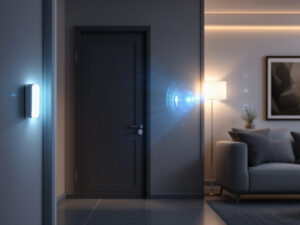
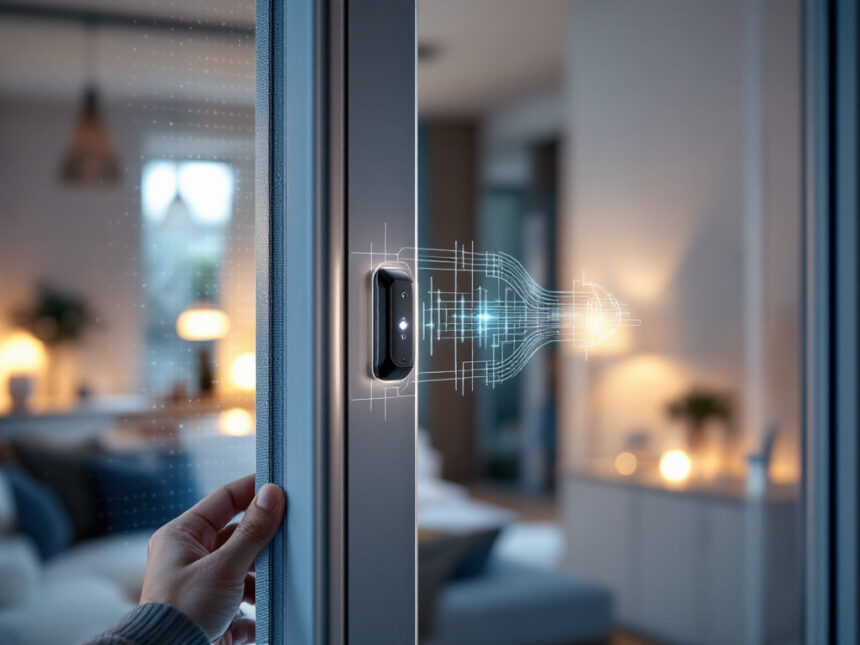
Smart window sensors are small, usually wireless devices made of two parts. One attaches to the window frame and the other to the window itself. When the window is closed, the two pieces line up. If someone opens the window and breaks that alignment, the sensor sends a signal to your security system, smart hub, or app.
With most smart window sensors you can:
- Get instant notifications if a window is opened when it should not be
- Trigger alarms as part of smart home alarm systems
- Turn on connected lights or smart security cameras for home
- Pause your HVAC to save energy if a window is left open
This simple contact mechanism is why they are sometimes just called contact sensors. Security.org notes that most models are wireless and battery powered, so you can install them yourself without special tools or skills.

Main types of smart window sensors
You will see a few different styles when you start shopping. Understanding the basics helps you choose what fits your home and budget.
Standard contact sensors
These are the most common smart window sensors. They:
- Use magnets and a reed switch to detect when a window opens
- Mount on the surface of the window and frame with adhesive or screws
- Are compact and generally unobtrusive
Brands like Aqara, TP Link Tapo, Ring, and Samsung SmartThings make budget friendly versions that work with hubs and platforms such as Alexa, Google Home, and Apple HomeKit.

For example, the Aqara Door and Window Sensor is a well reviewed contact sensor that offers fast alerts and reliable automations in a tiny package, and it runs on a small CR1623 coin cell battery for long life.
Glass break sensors
Contact sensors only know that a window has opened. They do not detect broken glass. For that, you can add glass break sensors that:
- Listen for the specific sound frequency of shattering glass, or
- Detect physical shock in the glass
They are especially useful for large fixed windows that do not open often, or for ground level windows that a burglar might try to smash instead of slide open. Pairing glass break sensors with contact sensors gives you a stronger perimeter, as explained in the Abode guide on window sensors.
Wired, wireless, and recessed options
You will find three main installation styles:
- Wireless sensors use batteries and send signals via Wi Fi, Zigbee, Z Wave, or a proprietary protocol to a hub. These are ideal for DIY setups, apartments, and existing homes because you avoid running new wires.
- Wired sensors connect directly to your security panel. They are very reliable and never need batteries, but usually require professional installation and are better suited to new construction.
- Recessed sensors are installed inside the window frame. They are more discreet but may need a pro to install and are harder to move if you rent.
Most people starting from scratch choose wireless sensors because they are simple and flexible. Companies like Vivint and Abode use mainly wireless window sensors in their modern smart home security systems and report that homes with these systems are significantly less likely to be broken into.
Why smart window sensors matter for security
If you already have a smart camera or video doorbell, you might wonder if smart window sensors are overkill. They are not. They solve a different problem.

Early warnings and loud deterrents
When your system is armed, a window sensor that is triggered can:
- Send an instant alert to your phone
- Sound a loud siren that scares off intruders
- Notify a monitoring service if you use professional monitoring
Providers like Brinks Home and Ecobee offer systems where triggered sensors can connect to monitoring teams that call you, and if needed, contact authorities and speed up 911 response times.
Even if you go with a fully diy smart home security setup without monitoring, an alarm plus real time phone alerts is often enough to stop a break in and let you act quickly.
Protecting kids, guests, and loved ones
Smart window sensors are not only about intruders. They are also about awareness inside your home.
You can set them to alert you when:
- A child opens a bedroom or balcony window
- An elderly family member opens a door or window at unusual hours
- A medicine cabinet, liquor cupboard, or jewelry drawer is accessed
Because Brinks Home sensors have extended range and are small, they work on all kinds of surfaces, including cabinets and safes, not just windows. This gives you a simple way to monitor sensitive areas without installing cameras there.
Everyday convenience and energy savings
Smart window sensors also help your home feel more comfortable and efficient, especially when combined with other smart security sensors and devices.
Smarter heating and cooling
When you pair sensors with a smart thermostat, your home can automatically respond when windows open. For instance:
- Ecobee’s SmartSensor for doors and windows can shut off your HVAC automatically if a door or window is left open for five minutes, then restart it after the opening is closed for 30 seconds. This requires an Ecobee thermostat and subscription, but it helps avoid wasting energy when fresh air is flowing in.
- Smart thermostats from Ecobee and Nest can use open window information to prevent overworking your system and to fine tune comfort.
Some systems, including Abode and SmartThings, let you build your own automations so that a window opening in a specific room temporarily adjusts the thermostat schedule instead of heating or cooling that space.
Automated lighting and safety
Smart window sensors can trigger your lights in smart ways. For example, you can set up routines so that:
- A closet light or hallway light turns on when the door opens
- A porch or side yard light activates when a window or door is opened after dark
- An interior light turns on if a window sensor is tripped while your smart home alarm systems are armed
Platforms like Alexa, Google Home, and HomeKit make this kind of automation easy to set up and connect to compatible bulbs, switches, or smart home video doorbell devices.
Smarter blinds with retrofit options
If you like the idea of blinds that move on their own, smart window sensors can integrate with them too. Many smart blinds use sensors and schedules to:
- Close during peak afternoon sun to help keep rooms cool
- Open on sunny winter mornings to warm the space naturally
- Follow sunrise and sunset to support better sleep patterns and privacy
Retrofit solutions like RYSE SmartShade let you add motorized and sensor automation to your existing blinds, often without drilling or rewiring. Rechargeable batteries that last several months between USB charges keep maintenance low and make these systems renter friendly.
Best smart window sensor picks and platforms
Most smart window sensors fall into a few ecosystems. You do not need to memorize all the protocols, but it helps to know the basics so your devices can talk to each other.
Popular sensor brands and hubs
Here are some standout options mentioned in recent reviews and guides:
- Aqara Door and Window Sensor. Compact, reliable contact sensor with near instant alerts and strong automations inside the Aqara and HomeKit ecosystems. Requires an Aqara hub that can support over 120 devices.
- TP Link Tapo T110 Smart Contact Sensor. Easy to install with a straightforward app, detailed logs, customizable notifications, and an integrated alarm through the Tapo H100 Smart Hub, which supports up to 64 devices.
- Ecobee SmartSensor for doors and windows. Ideal if you already own or plan to buy an Ecobee thermostat or camera. It ties into Ecobee Smart Security, offers motion coverage up to 120 degrees, and gives you HVAC automations and optional 24/7 professional monitoring.
- Brinks Home door and window sensors. Designed to work with the Brinks Home Touchscreen panel, these sensors use S line encryption for secure communication and offer up to eight years of battery life.
Many budget friendly sensors from Ring, Wyze, Eve, and Samsung SmartThings work inside their respective hubs and connect to major smart platforms like Alexa, Google Home, and Apple HomeKit.
If you are building a full system over time, it is worth looking at top smart home security brands and broader smart home security packages so you know which ecosystem you are buying into.
Fast installation tips for renters and homeowners
You do not have to be handy to install smart window sensors. Most setups only take a few minutes per window.
Step by step basics
- Choose your hub or system. Decide if you want a standalone sensor plus app, or a sensor that works inside a bigger setup such as wireless home security systems or smart home security systems.
- Clean the mounting surface. Wipe the window frame and window with a dry cloth to help the adhesive stick.
- Line up the two pieces. Position the magnet and sensor so they are within the specified gap, often around 0.75 to 1.25 inches apart like Ecobee’s SmartSensor, and aligned when the window is fully closed.
- Stick or screw them in place. Most DIY friendly sensors use peel and stick adhesive pads. Some also offer screw holes for a more permanent mount.
- Pair with your hub or app. Follow the in app instructions to add the sensor to your account and test it by opening and closing the window.
A pro tip from Security.org is to use Velcro strips instead of permanent adhesive so you can easily remove sensors to change batteries or reuse them in a new home, which is especially handy for renters.
Battery life and maintenance
Battery life is one of the main reasons people like smart window sensors. Many models run for years on a single coin cell, and some Brinks Home sensors advertise an eight year battery life. Others, like Ecobee’s SmartSensor, use a CR2477 battery and are rated for up to three years of use.
Keep an eye on battery status in your app. Some apps only show a general status like normal rather than specific percentages, but most will alert you when it is time to replace a battery.
How window sensors fit into your overall smart security
Smart window sensors are most powerful when they are part of a complete setup instead of stand alone alerts.
You can pair them with:
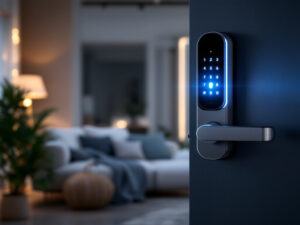
- Smart door locks for home so your system knows when an entry point is open or closed
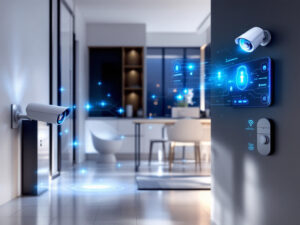
- Smart security cameras for home to start recording when a specific window is opened
- Smart home alarm systems that tie all your sensors together
- Smart home security automation scenes that turn on lights, lock doors, and arm your system at once
If you live in an apartment, smart home security for apartments and smart home security for renters guides can help you find no drill, no contract options that still give you coverage on your main windows and balcony doors.
For a complete picture of what you might want to add over time, it is worth browsing best smart home security devices, affordable smart home security, and best budget smart home security so you can build your system in stages without overspending.
You do not have to install everything at once. Start with the windows that worry you most, then expand as you get comfortable with the tech and see how it fits your daily routine.
FAQs about smart window sensors
Are smart window sensors worth it if I already have cameras?
Yes. Cameras record and help you see what happened. Smart window sensors tell you the instant a window opens and can trigger alarms immediately. Used together, they create stronger protection than either one alone.
Do smart window sensors work without Wi Fi?
Many sensors connect through a hub that uses Zigbee, Z Wave, or a proprietary protocol. You usually need an internet connection to get remote alerts on your phone, but local alarms can still work without Wi Fi. Check the product details and related smart security system integration guidance if local only operation matters to you.
Can I install smart window sensors in a rental?
Yes. Most are wireless and attach with removable adhesive or Velcro, making them ideal for rentals and smart home security for apartments. Just avoid drilling unless you have permission from your landlord.
Do window sensors replace motion or glass break sensors?
No. Window sensors detect when a closed window is opened. They do not detect someone breaking the glass or moving inside a room. For best coverage, pair them with motion and glass break sensors as suggested in Abode’s 2026 window sensor guide and your broader smart security sensors plan.
How do I keep my smart window sensors secure from hacking?
Use strong, unique passwords for your smart home accounts, turn on two factor authentication, and keep your apps and hubs updated. Many brands now use encrypted signals, such as Brinks Home’s S line encryption, to protect communication between sensors and panels. For more detail, review how to secure smart home devices and smart home security encryption so your physical security upgrades stay digitally secure too.
If you start with just one or two smart window sensors on your most vulnerable windows, you will quickly see how much peace of mind they add. Then you can build out the rest of your system with confidence, using resources like smart home security tips, smart home security benefits, and smart home security upgrades to guide your next steps.