Smart home devices can make everyday life easier, but they also introduce new ways for strangers to peek into your home or even unlock your doors. With a few practical smart home security tips, you can keep the convenience you love while boosting both safety and peace of mind.
Below, you will find simple steps you can take whether you are just buying your first camera or already have a full setup of locks, lights, and sensors.
Start with a secure Wi‑Fi router
Every device in your smart home connects through your router. If that single point is weak, everything behind it is easier to reach.
In the Internet of Things (IoT) era, cybersecurity experts stress that securing your home Wi‑Fi router is essential because it is the gateway to all of your connected devices and data. Many smart home attacks start with a poorly protected router rather than a vulnerable camera or lock.
Quick router security upgrades
- Change the default router username and password to something long and unique.
- Turn on WPA2 or WPA3 encryption if it is available in your router settings.
- Create a separate guest network for visitors, kids’ friends, and older devices.
- Turn off remote administration unless you truly need it.
Log in to your router’s web interface and review the list of connected devices. This is usually labeled as connected devices, wireless clients, or DHCP clients. If you see devices you do not recognize, remove or block them, then change your Wi‑Fi password.

If you are planning a new system from scratch, it can help to choose gear that works well with wireless home security systems so you can keep everything on one well protected network.
Lock down each smart device
Once your network is solid, turn to the devices themselves. Smart TVs, cameras, speakers, locks, and sensors all collect data and can become entry points if you leave default settings in place.
Security researchers have found that an estimated 80 percent of IoT smart home devices are vulnerable to some kind of cyberattack, including man in the middle attacks, data theft, and device hijacking. This is one reason specialists at RocketMe Up Cybersecurity encourage homeowners to take device level security as seriously as the Wi‑Fi password.
Common devices and what to secure
Smart TVs often track what you watch and how you use streaming apps. Adjust the TV’s tracking or privacy settings to match your comfort level and delete any apps you do not use. Some may still collect data even when they are sitting idle.
IP cameras used for baby monitors, pet cams, or security are frequent hacking targets. Change the default username and password, enable two factor authentication if it is offered, and regularly check the camera’s access logs for suspicious IP addresses or odd access times.
Voice assistants can listen for wake words around the clock and may send short recordings back to manufacturers for analysis. Follow the privacy guidelines for your specific assistant, review what data is stored, and clear recordings you no longer want to keep.
For a deeper step by step walkthrough, you can also review how to secure smart home devices and use it as a device setup checklist.
Plan smart protection around entry points
Burglars still care more about doors, windows, and garages than anything else. Your smart home security system should reflect that.
Start by listing every way in and out of your home. Include front and back doors, sliding doors, ground floor windows, and attached garages or outbuildings. Experts at ADT recommend placing sensors on all primary entry points and positioning your main control panel where you can reach it easily but an intruder cannot see it from outside.
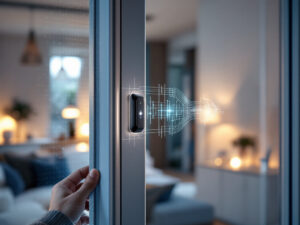
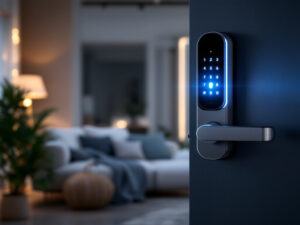
Door and window sensors are the basic building blocks. If you live in an apartment or rental, look for smart window sensors and peel and stick options that come off cleanly at move out time. For houses, you can combine sensors with smart door locks for home so doors can lock automatically when you arm the system.
Garage doors can be a weak spot. In 2026, security reviewers highlighted garage entry as a common access method for burglars and recommended adding sensors or motion detectors to this area to round out your coverage.
If you are unsure which mix of gear you need, browsing smart home security packages can help you see typical sensor and camera combinations for different home sizes.
Use the right mix of sensors and cameras
While every home is different, certain devices show up in nearly every effective setup.
Key components of a modern system include door and window sensors, motion sensors, smoke and flood detectors, glass break sensors, and security cameras. ADT notes that there are three main DIY camera types: indoor cameras, weatherproof outdoor cameras, and doorbell cameras that alert you when someone is at your door and let you talk to them remotely.
Here is a simple way to think about roles:
| Device type | What it does best |
|---|---|
| Door and window sensors | Alert when entry points open or close |
| Motion sensors | Detect movement in hallways and large rooms |
| Glass break sensors | Catch break ins through windows without opening them |
| Smoke and flood sensors | Warn about fire or water damage early |
| Indoor cameras | Keep an eye on kids, pets, and common areas |
| Outdoor and doorbell cameras | Watch driveways, yards, and front doors |
If you are just starting out, a smart home video doorbell and one or two smart security cameras for home can give you a lot of visibility with a small budget. As you add more devices, you can explore more advanced smart security sensors around high risk spots like basements and garages.
Choose monitoring that fits your lifestyle
You have two main monitoring choices: keep an eye on alerts yourself or pay a company to do it for you.
Many DIY kits let you self monitor through a mobile app at no extra cost. You get alerts on your phone and decide when to call for help. This works well if you are usually available and comfortable handling alarms.
Professional monitoring services cost more per month but add another layer of protection. ADT, for example, offers monitoring starting around 24.99 dollars per month and can contact authorities for you during a break in or fire. In 2026, ADT was noted for its network of 12 monitoring centers across North America and for combining Google Nest Cams, facial recognition and Activity Zones to reduce false alarms.
Other brands take a different approach. SimpliSafe now includes advanced features like Intruder Intervention and Active Guard Outdoor Protection in its professional plans, which let agents see and speak through your cameras to stop intruders faster. According to recent reviews, SimpliSafe plans remain contract free and start at about 22.99 dollars per month.
ADT, SimpliSafe, and Vivint all support DIY friendly equipment with either self or professional monitoring. If you want a closer look at what each offers, you can browse top smart home security brands and read detailed smart home security reviews.
Take advantage of smart home automations
One of the biggest benefits of modern systems is that devices can talk to each other. Smart home security is no longer just about sensors that make noise, it is also about lights, locks, and thermostats that respond automatically.
Recent reviews of top systems in 2026 highlight how smart home security setups can tie into other devices so that when motion is detected, doors lock, cameras start recording, and lights turn on at the same time. This type of coordination not only keeps you safer, it also makes your home feel smarter and more responsive.
Many systems support tools like IFTTT, short for If This Then That. This lets you build routines that connect different brands. For example, when your garage door sensor opens, your thermostat can automatically adjust the temperature, which is particularly useful for hot or cold climates.
Z wave technology is another behind the scenes helper. It allows devices from different manufacturers to communicate wirelessly, so your Vivint or abode system can work with a wide range of bulbs, locks, and switches. Security specialists note that Z wave devices can also be combined with IFTTT routines for more complex behavior.
If you are ready to experiment, start with one or two simple rules in your system’s app. You can also explore smart home security automation for more ideas that go beyond basic alarms.
Protect your data with strong encryption
As smart homes collect more information, from camera footage to voice commands, cryptography becomes just as important as door locks.
IoT experts point to three pillars of secure devices. Secure boot uses cryptographic code signing to prevent malicious firmware from running on your device. Mutual authentication makes devices prove their identity to each other and to the cloud, often using symmetric or asymmetric cryptographic keys. Encryption keeps data private and intact as it moves between your home and the cloud.
RocketMe Up Cybersecurity stresses that many devices ship with weak or limited protections, which is part of why so many are vulnerable to attacks that can lead to data theft, loss of control, or even permanent device damage.
When you shop for equipment, look for clear descriptions of encryption and security features. You can also read up on smart home security encryption so you know what to expect, especially if you work from home or store sensitive information on devices inside your house.
Finally, remember the basics. Turn on automatic firmware updates wherever you can, use strong passwords and two factor authentication, and periodically remove devices you no longer use. Security lifecycle management, including over the air key replacements and secure device decommissioning, is a big part of staying safe long term.
Make smart security renter friendly
If you are in an apartment or do not want to drill into walls, you still have plenty of options.
Wireless kits and diy smart home security setups are designed to go in quickly and come out cleanly. Many require little more than peel and stick adhesive, a screwdriver, and your smartphone. In 2024 tests, ADT Self Setup took around 45 minutes to install in a 2,200 square foot home and SimpliSafe was even quicker at about 25 minutes.
For renters, the biggest priorities are usually easy installation, landlord friendly gear, and a system you can take with you when you move. Smart home security for apartments and smart home security for renters both focus on non permanent sensors, flexible cameras, and app based control.
If you stay cost conscious, you can also look into best budget smart home security and affordable smart home security. Installing your own equipment can help you avoid installation fees and long contracts, and in some cases can even qualify you for lower home or renter insurance premiums.
Build a reliable system that grows with you
Smart homes are never really finished. You might start with a doorbell, then add a lock, then add indoor cameras or environmental sensors later.
As you expand, keep an eye on smart home security reliability. Strong internet coverage, sturdy mounting hardware instead of temporary adhesive, and cellular backup through professional monitoring all help your system keep working during storms or power outages.
When it is time to add new gear, look into best smart home security devices and smart home security upgrades. Compatibility matters, especially if you want all your devices to work in a single app or hub. It is often easier to deepen your investment in one or two ecosystems than to juggle five different apps.
If something goes wrong, you can usually solve it on your own by checking connections, app permissions, and Wi‑Fi strength. When basic fixes are not enough, resources like smart home security troubleshooting can walk you through more specific problems.
Above all, remember that smart security is meant to serve you. The right setup should make it easier to relax at home and feel confident when you are away.
FAQs about smart home security
How do smart home security systems protect against hacking?
Smart systems use encryption, secure boot, and mutual authentication to make it harder for attackers to read your data or take over your devices. Security monitoring and analysis can also detect unusual behavior in real time and quarantine compromised devices before damage spreads. You can strengthen this by keeping firmware updated, using strong passwords, and following guidance from experts like RocketMe Up Cybersecurity.
Is a DIY smart home security system safe enough for families?
Yes, especially if you choose reputable brands and follow setup best practices. Many smart home security systems now match or exceed the hardware quality of professionally installed options, and you can add professional monitoring to most DIY kits if you want extra backup. Planning your sensors carefully and testing alerts regularly will do more for safety than drilling more holes in the wall.
What smart home security tips matter most for renters?
Focus on devices that use adhesive mounts, avoid wiring changes, and connect over Wi‑Fi. A video doorbell that fits over an existing peephole, peel and stick window sensors, and small indoor cameras are all renter friendly options. Start by reviewing smart home security for renters and checking your lease or asking your landlord before you install anything outside your front door.
Do smart home security devices really reduce insurance costs?
In many cases they can. Insurers often offer discounts when you install monitored alarm systems, leak detectors, or other loss preventing devices. While the exact savings vary, some homeowners see up to 20 percent lower premiums, especially if they combine monitored alarms with sensors like smart water leak detectors or smoke detectors that tie into a central system.
Where should I start if I am overwhelmed by options?
Begin with one or two areas that matter most to you. For many people that means a front door camera or doorbell and a reliable lock or alarm. From there, use resources like smart home security benefits and best smart alarm systems to understand your next steps and build out your system in stages rather than all at once.