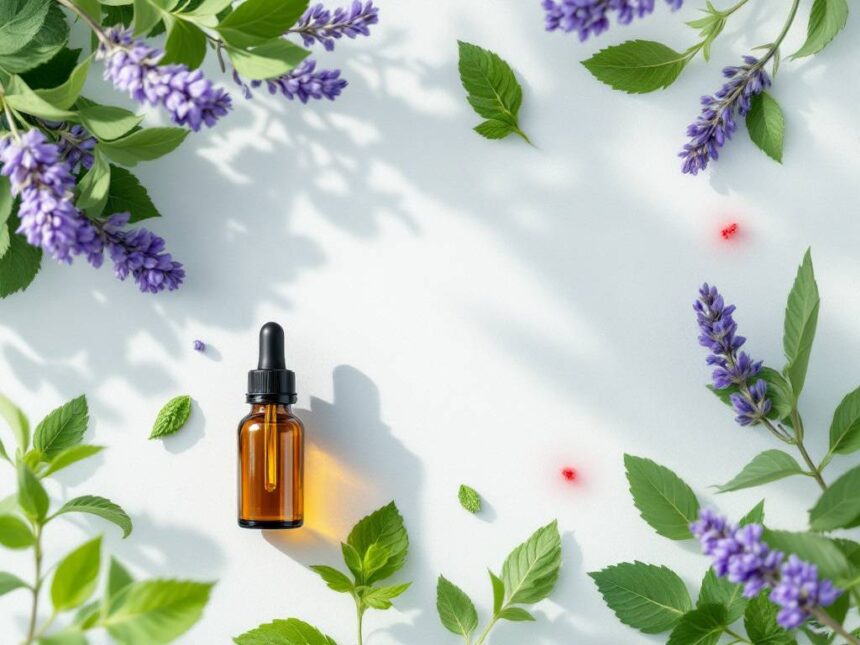
A single mosquito bite can derail an otherwise perfect evening outside. If you prefer to reach for natural options first, essential oils for insect bites can give you quick, targeted relief, as long as you use them safely and correctly.
This guide walks you through the top essential oils you can trust for bug bites, how they work, and exactly how to dilute and apply them, especially if you have kids, pets, or sensitive skin at home.
How do essential oils help with insect bites?
When a bug bites or stings you, it injects saliva or venom that can cause redness, swelling, warmth, pain, and itching. Essential oils support your skin in three main ways:
- Calming inflammation
- Reducing pain and itching
- Helping protect the area from infection
Many of the oils below have been studied for their anti-inflammatory or antimicrobial effects. For example, basil essential oil showed strong anti-inflammatory activity in a 2013 animal study, which helps explain why it feels so soothing on irritated skin. Lavender has also been found to have notable anti-inflammatory effects at the cellular level in a 2012 study.
You will see some of these studies mentioned throughout this article, so you know you are not just relying on folk wisdom.

If you are brand new to plant-based remedies, you might also like to skim broader topics like essential oils benefits and basic guidance on how to use essential oils before you start blending.
Safety first when treating bites
Before you dab anything on an itchy welt, it helps to understand a few safety basics, especially for children, pregnant people, and anyone with asthma, allergies, or very reactive skin.
Dilution rules for sensitive skin and families
Applying essential oils straight from the bottle can burn or sting already irritated skin. Most experts recommend diluting essential oils with a carrier oil, such as coconut, jojoba, or sweet almond oil, before using them on bug bites.

A gentle, skin safe guideline:
- Adults: up to 2 percent dilution for short term spot use, which is about 5 to 6 drops of essential oil per ounce (30 ml) of carrier oil
- Children, older adults, or sensitive skin: 0.5 to 1 percent dilution, about 3 drops of essential oil per ounce of carrier oil
For spray-style remedies, research suggests combinations like 3 drops of essential oil with about 3 drops of carrier oil per ounce of water, then shaking well before each use so the oil disperses.
You can find more detail on safe ratios in this guide to how to dilute essential oils.
When you should not use essential oils
Essential oils are not the right choice if:
- You have signs of a serious allergic reaction, such as trouble breathing, swelling of lips, tongue, or throat, dizziness, or widespread hives. Call emergency services right away instead.
- You suspect a venomous spider or snake bite. Go to urgent care or an emergency room.
- The bite looks infected, with spreading redness, pus, or red streaks, or you have a fever. Contact a healthcare provider.
In all of these situations, see a doctor first. Plant oils can be a nice complement later, but they are not a replacement for urgent medical care.
If you have asthma, epilepsy, are pregnant, or are under treatment for a skin condition such as eczema or psoriasis, talk with your healthcare provider before adding essential oils. If you already use them for issues like essential oils for allergies or essential oils for eczema, check that your bite blends use similar skin friendly dilutions.

Best essential oils for insect bites
Below you will find the essential oils most often recommended for insect bites, what science suggests about them, what types of bites they are useful for, and simple ways to apply them.
For each oil, always assume proper dilution unless otherwise noted.
Lavender: Gentle, versatile bite soother
If you only buy one essential oil for insect bites, make it lavender (Lavandula angustifolia). It is one of the few oils that many people can tolerate in very small, undiluted amounts on intact skin, and it has a long track record for both pain relief and calming inflamed skin.
A 2012 study found that lavender has strong anti-inflammatory effects at the cellular level, which matches what many people notice in everyday use, less redness and swelling around bites.
What lavender can help:
- Mosquito and gnat bites
- Bee and wasp stings (after you remove the stinger, if present)
- Spider bites and fire ant bites, for soothing and pain relief
How to use it:
- Quick roll on: Add 4 to 5 drops of lavender essential oil to 2 teaspoons of jojoba or fractionated coconut oil in a roller bottle. Swipe over itchy bites up to 3 times per day.
- Bath for multiple bites: Mix 4 to 6 drops of lavender with 1 tablespoon of carrier oil or a fragrance free bath oil base. Stir into warm bath water and soak for 10 to 15 minutes.
Lavender is also one of the best beginner oils for relaxation and sleep support. If bites keep you awake, combining topical use with a diffuser blend from this guide to the best essential oils for sleep can help you rest more comfortably.
Tea tree: Deep clean, itch control support
Tea tree (Melaleuca alternifolia) is a powerhouse when you are worried about contaminated bites or scratching open the skin. It is widely recognized for:
- Anti pain and anti itch effects
- Anti swelling activity
- Strong antimicrobial, antiseptic, and antibacterial action
A 2012 trial even found that tea tree prevented itching better than some conventional medications in another context. These same properties can be helpful for itchy, angry bug bites and for discouraging bacterial infection when you accidentally scratch too hard.
What tea tree can help:
- Mosquito and midge bites
- Tick, flea, and bed bug bites
- Fire ant and spider bites
- Any bite you have scratched open that now needs extra cleansing
How to use it:
- Cleansing spot treatment: Mix 2 drops of tea tree with 1 teaspoon of aloe vera gel and 1 teaspoon of carrier oil. Dab on the bite with a clean cotton swab up to 3 times daily.
- Post shower body oil: For people who react strongly to many bites, combine 10 to 12 drops of tea tree in 2 ounces of carrier oil. Massage a small amount over exposed legs and arms after a shower when you are indoors to soothe multiple small bites.
Tea tree can be quite strong, so it is important to dilute it well and avoid using it on babies or very young children without professional guidance. If you already use tea tree in blends for essential oils for acne or essential oils for pain relief, keep those lower dilutions when using it on fragile bite areas.
Chamomile: Extra gentle care for kids and very sensitive skin
If your skin reacts to “everything,” or you are looking for an oil that is usually well tolerated by children, chamomile is worth having on hand. There are two common types, German chamomile (Matricaria recutita) and Roman chamomile (Chamaemelum nobile), and both can calm hot, itchy skin.
A 2011 study found that chamomile healed skin lesions faster than a 1 percent hydrocortisone cream and reduced pain and inflammation, which is impressive for such a gentle plant.
What chamomile can help:
- Delicate areas like the face or neck
- Children’s bites where you need an ultra mild option
- Red, angry bites that react to many other products
How to use it:
- Sensitive skin oil: Add 2 drops of chamomile to 2 teaspoons of carrier oil. Apply a thin layer to bites up to 3 times daily.
- Calm the whole body: Blend 3 drops of chamomile and 3 drops of lavender into 1 tablespoon of carrier oil, then swirl into bathwater when a child is fussy and itchy from multiple bites.
Chamomile is also a favorite for essential oils for relaxation and essential oils for stress relief, so a small bottle can serve several purposes in your home.
Peppermint and other mints: Cooling relief for hot, painful bites
Mint essential oils, such as peppermint and spearmint (Mentha species), offer an instant cooling sensation that can distract your nerves from pain and itching. A 2013 review highlights peppermint’s anti-inflammatory benefits, which supports its use for sore, swollen bites.
Peppermint is also analgesic, antiseptic, and cooling, and it gently tightens blood vessels in the area, a combination that can reduce swelling and pain. Because its strong scent may also deter insects, it is a nice two in one option for your outdoor kit.
What mint oils can help:
- Fire ant bites that feel hot and burning
- Painful mosquito or horsefly bites
- Itchy clusters of flea bites on ankles or legs
How to use it:
- Cooling compress: In a small bowl, combine 2 cups of cool water with 2 drops of peppermint essential oil and 2 drops of carrier oil. Stir well, then soak a washcloth, wring it out, and lay it over the bite for 5 to 10 minutes.
- Spot stick: Mix 1 drop of peppermint and 2 drops of lavender into 1 teaspoon of carrier oil. Dot over bites that feel especially hot or sore.
Peppermint can be too intense for very young children and should be kept away from the face of infants and toddlers. Use it sparingly and always dilute well if anyone in your home has reactive airways.
Basil: Under the radar ally for stings
Basil essential oil (Ocimum species) is better known in the kitchen than in the medicine cabinet, but it deserves a place in your bite care lineup. It has gentle anti-inflammatory and antimicrobial properties and may help relieve irritation and prevent infection.
A 2013 study in mice documented basil’s notable anti-inflammatory effects, which supports what many people notice, less warmth and swelling after using it on stings.
What basil can help:
- Bee and wasp stings, after you gently remove the stinger
- Mosquito bites that stay sore and puffy
- Bites that risk contamination, such as those on feet or lower legs
How to use it:
- Simple sting rub: Combine 2 drops basil with 2 teaspoons of carrier oil. Gently massage around the bite, not directly over any broken skin, up to 3 times per day.
- “After yardwork” blend: Mix 3 drops basil, 3 drops lavender, and 3 drops tea tree in 2 tablespoons of carrier oil. Apply a small amount to arms and legs where you have multiple small bites or minor scratches.
If you already enjoy basil in diffuser blends from guides like essential oils diffuser blends, you may be pleasantly surprised by how well it supports your skin too.
Camphor: Warming pain relief and insecticidal support
Camphor essential oil (Cinnamomum camphora) has been used since ancient times for pain, irritation, and inflammation. It creates a tingling warmth on the skin that can dull discomfort from bites and may also repel insects.
Camphor acts as an antiseptic, anesthetic, anti-inflammatory, and insecticide, which makes it particularly helpful when you have older, deeply irritated bites that still ache.
What camphor can help:
- Older mosquito or blackfly bites that continue to itch or hurt
- Bites around muscles that feel sore or tight
- Situations where you want both relief and a mild insecticidal effect
How to use it:
- Warming rub: For adults, mix 2 drops camphor and 2 drops peppermint into 2 tablespoons of carrier oil. Massage lightly around, not on, sensitive or broken skin.
- Pre camping blend: Combine 2 drops camphor, 4 drops citronella or lemongrass, and 4 drops eucalyptus in 2 tablespoons of carrier oil. Apply sparingly to clothing exposed during hiking or camping, avoiding direct contact with sensitive skin.
Camphor can irritate damaged or very delicate skin, and should be avoided if the bite area already burns or is very sensitive. It is not recommended for small children or pregnancy. Use it with care and only in low concentrations.
Eucalyptus: Cooling, cleansing, and mild repellent
Eucalyptus essential oil offers analgesic, antiseptic, antiviral, and bactericidal properties. Certain varieties, such as lemon scented eucalyptus, are also used as insect repellents in their own right.
For insect bites, eucalyptus can:
- Lightly numb the area
- Help keep the bite clean
- Provide a fresh, cooling sensation similar to mint but often milder
What eucalyptus can help:
- Fresh mosquito or gnat bites
- Bites you get while outdoors that you want to soothe quickly
- Mild clusters of bites on legs or arms
How to use it:
- Outdoor spray: In a 2 ounce spray bottle, add 6 drops eucalyptus essential oil, 6 drops lavender, 1 teaspoon carrier oil, and top with water. Shake well before spraying onto clothing and around, not directly into, bite areas.
- Post bite body oil: Mix 4 drops eucalyptus and 4 drops chamomile into 2 tablespoons of carrier oil. Apply a thin layer to itchy areas to calm and cool.
If you enjoy eucalyptus in steam blends for congestion or in your shower, it can be an easy transition to include it in your summer skin kit.
Rosemary, lemongrass, and other supportive oils
Several other essential oils can play useful supporting roles for insect bites.
- Rosemary: Offers insecticidal, anti-inflammatory, antimicrobial, and antioxidant properties. Good in low dilution in blends for sore, itchy bites on muscles, you also want to warm or relax.
- Lemongrass: Provides insecticidal and antimicrobial benefits along with a fresh scent that can help repel insects. It works well in outdoor sprays or combined with eucalyptus or lavender.
- Other citrus family oils, such as citronella: Often used primarily as repellents, they can be part of a prevention strategy to reduce the number of bites you need to treat later.
These are best used in combination with more skin focused oils like lavender, chamomile, or tea tree, and always well diluted to prevent irritation.
If you are already using oils like lemongrass or citrus in home blends for essential oils for cleaning or essential oils for laundry, make sure to keep concentrations gentler for leave on skin applications.
How to apply essential oils to insect bites
Once you have chosen your oils, the next step is knowing how to use them in simple, safe ways. Most methods fall into four categories.
Always patch test a new blend on a small area of inner forearm first. Wait 24 hours to check for redness, itching, or irritation before using it on larger or more delicate areas.
1. Diluted spot treatments
This is your go to method for one or two annoying bites.
Basic formula:
- 1 teaspoon of carrier oil
- 1 to 3 drops of essential oil total, or fewer for children
Stir together in a small dish and apply a thin film directly on and around the bite with clean fingers or a cotton swab. Reapply up to 3 times daily as needed.
Good oil choices:
- Lavender alone for most bites
- Tea tree and lavender for bites you have scratched open
- Chamomile for very sensitive or children’s skin
2. Bite soothing sprays
Sprays are useful when you have multiple bites in one area, or you want a light, non greasy application.
Simple spray blend:
- 2 ounces of water
- 1 teaspoon of carrier oil or unscented lotion base
- 6 drops of total essential oils (for example, 3 drops lavender, 2 drops tea tree, 1 drop peppermint)
Add to a spray bottle, shake well before each use, and mist lightly over bite areas. Allow to air dry. Use up to 3 times per day.
3. Ointments, gels, and lotions
For longer lasting moisture and a barrier that helps you avoid scratching, you can stir essential oils into an existing unscented cream, balm, or aloe gel.
Guideline:
- 1 ounce of base (cream, salve, aloe gel)
- 5 to 10 drops of combined essential oils for adults, 3 to 5 drops for children
Popular combinations:
- Lavender and chamomile in aloe gel for post beach bites
- Tea tree, basil, and lavender in a thick salve for campers and gardeners
- Peppermint and eucalyptus in lotion for quick cooling after outdoor activities
4. Baths for widespread bites
If you have many small bites after a camping trip or outdoor event, a bath can be more comfortable than trying to dab each one.
Bath method:
- In a small bowl, mix 4 to 8 drops of essential oils with 1 to 2 tablespoons of carrier oil, milk, or a dispersing bath base.
- Add this mixture to a tub of warm (not hot) water.
- Swirl well and soak for 10 to 15 minutes. Pat skin dry gently afterward.
Lavender, chamomile, eucalyptus, and a small amount of peppermint all work very well in bath blends. You can find more soak ideas in this guide to essential oils for bathing.
Simple starter kits for common bite situations
If you are new to essential oils, you probably do not want a dozen different bottles on your shelf. Here are three small, practical “kits” you can build depending on your home.
For families with kids and sensitive skin
Choose gentle, multi use oils:
- Lavender
- Chamomile
- Tea tree (for older kids and adults)
With these three, you can:
- Make mild bite rollers
- Create soothing bath blends
- Reuse the same oils for essential oils for skin care, essential oils for headaches, or essential oils for anxiety blends, as appropriate
For outdoor enthusiasts and campers
You will want soothing plus extra cleansing and repellent support:
- Tea tree
- Lavender
- Eucalyptus or lemongrass
- Peppermint or camphor (for adults only)
These give you options for:
- Bite relief while out on the trail
- Mild repellents, especially when combined with guidance from essential oils for mosquito repellent
- Post hike muscle and bite blends that overlap with essential oils for muscle pain
For minimalist, multi use households
If you want the fewest bottles that still cover many needs, try:
- Lavender as your all purpose oil
- Tea tree for cleansing and skin challenges
- Peppermint for cooling relief, nausea, and head tension
You can also reuse these in areas like essential oils for nausea, essential oils for aromatherapy, and custom essential oils recipes.
Whichever set you pick, it is worth taking a moment to learn how to assess quality. This guide to therapeutic grade essential oils explains what to look for in a reputable brand.
When to combine essential oils with other care
Essential oils can be powerful helpers, but they work best as part of a simple, common sense bite care routine.
A practical sequence might look like this:
- Wash the area gently with mild soap and cool water.
- If needed, remove a stinger with a clean tool and avoid squeezing venom deeper.
- Apply a cool compress to reduce immediate swelling.
- Use your chosen diluted essential oil blend for itch and pain relief.
- Keep nails trimmed short and consider a light cotton bandage if you tend to scratch in your sleep.
If you find that your skin frequently reacts to bites with intense inflammation, you might also explore long term support with essential oils for inflammation and discuss overall allergy management with a healthcare professional.
Key takeaways
- Essential oils for insect bites can calm itching, reduce pain and swelling, and help protect against infection when used correctly.
- Lavender, tea tree, chamomile, peppermint, basil, camphor, and eucalyptus have some of the strongest support from both traditional use and modern studies.
- Always dilute essential oils in a carrier oil, gel, or lotion before applying them to bites, especially on children or sensitive skin.
- Watch for warning signs, such as trouble breathing, spreading redness, or fever, and seek medical care if they appear. Essential oils supplement, not replace, urgent treatment.
- Start with a small, well chosen kit that suits your household, and reuse those same oils in other routines such as essential oils for massage, essential oils for stress relief, or essential oils for aromatherapy.
With a few trusted oils and clear safety steps, you can turn bite care into a calmer, more natural part of your warm weather routine, instead of a scramble through the medicine cabinet every time you hear a mosquito buzz.
FAQs
Can I put essential oils directly on a mosquito bite?
Usually, no—dilute first. Direct application raises irritation risk, especially on already-inflamed skin. Use NAHA/Tisserand-style dilution ranges for safer spot use.
What’s the best essential oil for insect bites for most people?
Lavender is the most universally useful “first pick” for itch + redness support, and it’s easy to blend into roll-ons, gels, and baths.
What essential oil helps bug bites that I scratched open?
Choose tea tree (well diluted) in an aloe gel base for a cleaner-feeling spot treatment—but patch test first.
Are essential oils safe for kids’ insect bites?
They can be, but use lower dilution, avoid certain oils (like peppermint on young children’s faces), and always patch test.
When should I see a doctor for a bug bite?
Seek care if you have fever, body aches, rash, worsening swelling, signs of infection, or any breathing/swelling of lips/tongue/throat.