A smart home security setup does not have to cost a fortune. The best budget smart home security systems use a few well chosen devices and smart settings so you get real protection without a high monthly bill or a complicated install.
This guide walks you through what you actually need, how to plan a system for your home or apartment, and which affordable brands and kits are worth a closer look.
Understand what “budget smart home security” means
When you look for the best budget smart home security, you are trying to balance three things: upfront equipment cost, ongoing fees, and everyday convenience. A good system will:
- Cover the main ways in and out of your home
- Alert you quickly if something is wrong
- Be easy to install and move or expand later
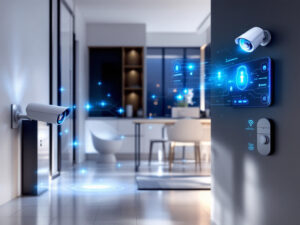
Most budget friendly setups are wireless home security systems that talk through Wi‑Fi or a cellular hub. You control them from your phone and can mix and match devices like cameras, sensors, and smart locks into one system. To see how these pieces can fit together, it helps to get familiar with common smart home security features.
Know the core devices you actually need
You do not need every new gadget on the market. Focus on a few essentials that deliver the most security per dollar.

Smart security cameras
A single well placed camera can do a lot of work. Budget friendly options like the Wyze Cam v4 and TP‑Link Tapo C120 give you sharp video, motion alerts, and night vision for under 40 dollars.
The Wyze Cam v4 is often recommended as the best budget security camera with no subscription in 2026. It offers 2.5K resolution, indoor and outdoor use, free detection of people, vehicles, pets, and packages, plus local storage via microSD card so you are not locked into a paid cloud plan. The TP‑Link Tapo C120 stands out as the best overall home security camera with no subscription, with 2K video, person recognition, color night vision, and onboard microSD storage.
If you want a deeper dive into camera options, you can browse dedicated smart security cameras for home.
Door and window sensors
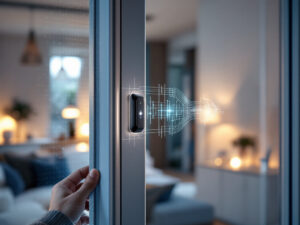
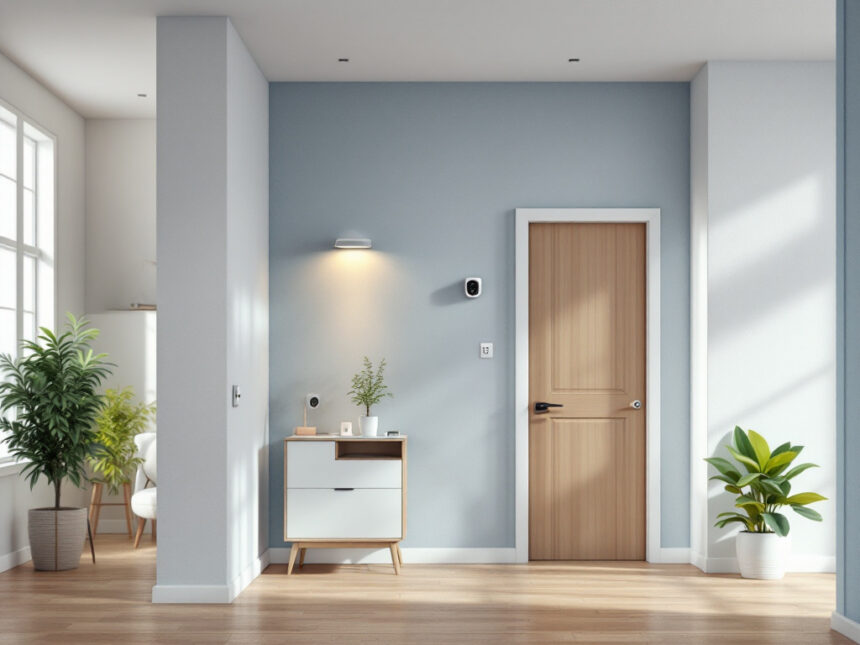
Entry sensors are low cost and high value. They alert you when a door or window opens and are the backbone of most smart home alarm systems. Affordable options like Aqara door and window sensors or the sensors in starter kits from SimpliSafe, Wyze, and Abode cover the main entry points without driving up your budget.
Motion sensors and extra detectors
A motion sensor covers larger areas like hallways or living rooms so you do not need a sensor on every single window. Some all in one sensors, such as the Arlo Home Security System sensors, can also detect leaks, sound, and temperature changes, which is especially helpful if you are a renter and cannot install many devices.
Water leak alerts can save you thousands in damage, so it is worth reading up on smart water leak detectors once your main security basics are in place.
Smart locks and video doorbells
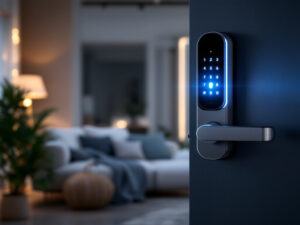
Smart locks and doorbell cameras are not strictly required, but they add a lot of everyday security and convenience. Budget options like Wyze Lock or an August smart lock let you check if your door is locked, set guest codes, and lock or unlock from your phone. A smart home video doorbell adds live video and two way talk at your front door.
If you are renting, look for models that use your existing deadbolt or door viewer so you do not need to drill new holes.
Plan your budget smart home security layout
Before you buy anything, step back and plan. A small amount of planning usually saves you from buying extra gear you do not really need.
Map your home and risk points
Walk through your home and list:
- Every exterior door
- Ground floor or easily accessible windows
- Shared entry points if you live in an apartment
For many people, the most effective starter layout looks like this:
- 1 hub or base station
- 1 keypad or main control
- 1 indoor camera pointed at the main entry
- 2 to 4 door or window sensors
- 1 motion sensor covering a hallway or living area
Later, you can grow this into larger smart home security packages if your needs change.
Decide what protection matters most to you
You might prioritize different things depending on your home and lifestyle:
- New smart home buyers often want one or two cameras, a doorbell, and a few sensors so they can get alerts and check on packages.
- Families and homeowners may add more sensors, outdoor cameras, and smart door locks for home for kids or guests.
- Renters and apartment dwellers usually need no drill devices, compact kits, and systems that are easy to take with them when they move, which is where smart home security for apartments comes in.
Write down your must haves, then match them to a starter kit or a few standalone devices rather than buying a lot of extras right away.
Choose the right budget friendly system or brand
Many of the best budget smart home security kits come from companies that focus on DIY, flexible systems instead of long contracts.
Best cheap starter kits for 2026
Here is a quick comparison of notable affordable systems mentioned in the research.
| System | Best for | Starter cost (approx.) | Key strengths |
|---|---|---|---|
| SimpliSafe Home Security Base Kit | Overall value for houses | 240 to 300 dollars | Easy DIY setup, expandability, strong monitoring options |
| Aqara Camera Protect Kit Y100 | Ultra cheap and small spaces | About 165 dollars | Camera hub with 2K video, motion and vibration sensors, works with major platforms |
| Wyze Home Security Core Kit | Cheapest pro monitoring | Low equipment cost, 10 dollars per month monitoring | Includes hub, keypad, motion and entry sensors |
| Arlo Home Security System | Renters and small setups | Mid range pricing, flexible | Wireless all in one sensors, no required subscription |
| Abode Iota 4 Piece Kit | Apple and mixed platforms | Mid range pricing | Built in camera hub, broad smart home integration |
SimpliSafe is frequently highlighted as the best overall cheap home security system and best budget friendly DIY system for 2026. Packages start near 250 dollars and a typical setup with extra motion sensors and a couple of cameras often costs around 500 dollars, which is still far below many premium systems that can be more than 1,200 dollars. Monitoring plans start at 22.99 dollars per month, go up to 79.99 dollars, and are contract free, so you can change or cancel any time.
Cove Security competes strongly on cost, with equipment discounts of up to 75 percent during sales. That can bring entry sensors under 5 dollars and touch screen panels under 40 dollars, making it a strong pick if you want the best system for the money. The tradeoff is that some pieces, like the doorbell camera, rely on a partner app, so the experience is slightly less unified.
If you lean toward heavy smart home automation, Abode’s Iota kit is worth a look. It offers deep smart home integration even on its free plan and strives to keep the built in camera privacy friendly.
You can explore more detailed smart home security reviews once you narrow down your short list.
Keep subscription costs low or optional
Equipment price is only part of the budget story. Many companies push monthly cloud storage and professional monitoring. These can be worth it, but only if you know what you are paying for.
Free and low cost video storage
Several budget cameras now support local storage on microSD cards, which helps you avoid monthly fees. For example, a 256 GB card, which can hold a large amount of footage, typically costs under 20 dollars as of 2026. That means you can record plenty of video without paying for cloud storage every month.
Systems like Wyze Cam v4, TP‑Link Tapo C120, Reolink Argus PT Ultra, and Blink Outdoor 2K Plus all support some form of local or hub based storage, so you keep more control of your data and your budget.
If you prefer cloud recording for off site backups and easier clip sharing, look for plans in the 3 to 10 dollar per month range for one or several cameras, and avoid overpaying for features you will not use.
When professional monitoring makes sense
Professional monitoring can call police or fire on your behalf. It costs more but adds peace of mind if you travel often or have a family to protect.
- SimpliSafe offers contract free monitoring from around 22.99 dollars a month. Its higher tier plans, such as those near 32.99 or 49.99 dollars, add features like Intruder Intervention and Active Guard Outdoor Protection, where agents can see and speak to potential intruders to deter crimes faster.
- Wyze’s professional monitoring with the Core Kit is only about 10 dollars a month, which is one of the cheapest ways to get 24/7 monitoring coverage.
If you decide to use monitoring, compare it with keeping your system self monitored through your phone. Start with month to month plans so you can switch off if you find you are not using the extra service.
Install your system yourself and save
DIY installation is one of the easiest ways to keep costs down. Most modern kits are designed so you can set them up with basic tools in under an hour.
Step by step DIY approach
- Gather tools and devices
Have your hub or base station, sensors, camera, smart lock if you use one, plus a drill or screwdriver if needed. Many devices only need adhesive tape. - Pick smart locations
Place the hub in a central spot with a strong Wi‑Fi signal. Put the camera where it can see your main entry, not just a corner of the ceiling. Aim motion sensors to watch hallways, not directly at windows or busy roads. - Install and pair devices
Follow each device’s app instructions one by one. Most kits walk you through pairing door and window sensors, motion detectors, and cameras in clear steps. - Set up your app and automations
Once everything shows as online, customize alarm modes, notifications, and simple smart home security automation. For example, you can have lights turn on when a motion sensor triggers, or have the system arm automatically at night. - Test and adjust
Arm the system, open doors and windows, and walk past motion sensors to make sure everything responds as expected. Adjust sensitivity or placement if you get too many false alerts.
For more hands on guidance, see the dedicated guide to diy smart home security.
Protect your privacy and secure your devices
Good security includes digital safety. A budget smart home system still needs strong privacy basics so your cameras and sensors are not easy targets.
At a minimum, you should:
- Use strong, unique passwords for your accounts and Wi‑Fi
- Turn on two factor authentication wherever possible
- Check which devices support modern smart home security encryption
- Regularly install firmware updates from your device makers
If you share your home with kids, guests, or roommates, take a few minutes to review a full checklist in how to secure smart home devices. Small changes now can prevent headaches later.
Maintain and upgrade over time
Even the best budget smart home security system needs a little upkeep. Batteries run down, software gets old, and your home or family needs may change.
Create a simple routine:
- Once a month, check battery levels and test the alarm siren and alerts
- Every few months, review your camera angles, especially if you move furniture
- Once a year, look at new smart home security upgrades like better outdoor cameras or smarter leak and smoke integration
Systems like SimpliSafe, Cove, Abode, and Arlo all support adding more sensors and cameras later, so you can start small and scale up without replacing everything.
If problems come up, a quick look at smart home security troubleshooting can help you diagnose whether the issue is Wi‑Fi, power, or a specific device.
Quick starting checklist
Use this short list to build your best budget smart home security setup step by step:
- List your doors, main windows, and any shared entry points
- Choose a DIY friendly system or mix of devices that fit your home type
- Start with 1 indoor or outdoor camera, 1 motion sensor, and a few entry sensors
- Decide if you need pro monitoring or if app alerts are enough
- Turn on encryption, strong passwords, and two factor authentication
- Test everything regularly and add new devices only when needed
You can find more practical smart home security tips once your basic system is live.
FAQs
What is the cheapest way to start with smart home security?
The lowest cost way is usually one or two budget cameras with local microSD storage, plus a handful of door and window sensors. Kits like Wyze Core, Aqara Y100, or a small Abode or Cove package give you alarms and app alerts without expensive installation. If cost is your top concern, explore options in affordable smart home security.
Do I really need professional monitoring?
Not always. If you are home most of the time and check your phone often, self monitoring can be enough. Professional monitoring is most useful if you travel frequently, live alone, or want a backup in case you miss alerts. You can compare how systems handle monitoring in smart home security systems and best smart alarm systems.
Are budget smart security cameras safe to use?
Budget cameras can be safe if you secure them properly. Look for brands that support strong encryption, regular security updates, and local storage if you prefer not to rely on the cloud. Then follow the basics in smart home security reliability and smart home security benefits, such as unique passwords and two factor authentication.
What is the best budget smart home security for renters?
Renters should look for wireless, no drill devices that are easy to remove when moving out. The Arlo Home Security System, Wyze kits, and many smart locks that retrofit onto existing deadbolts are strong candidates. To see renter friendly ideas in one place, check smart home security for renters.
How do I know when it is time to upgrade my system?
You might need an upgrade if you keep running into dead batteries, missed alerts, or devices that no longer get updates. Another sign is when your system cannot integrate with newer gadgets you want to add. A quick review of smart home security upgrades and smart security system integration will help you decide whether to replace or expand.