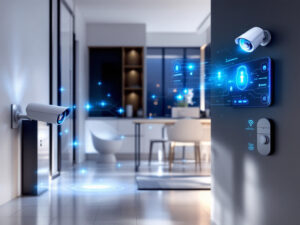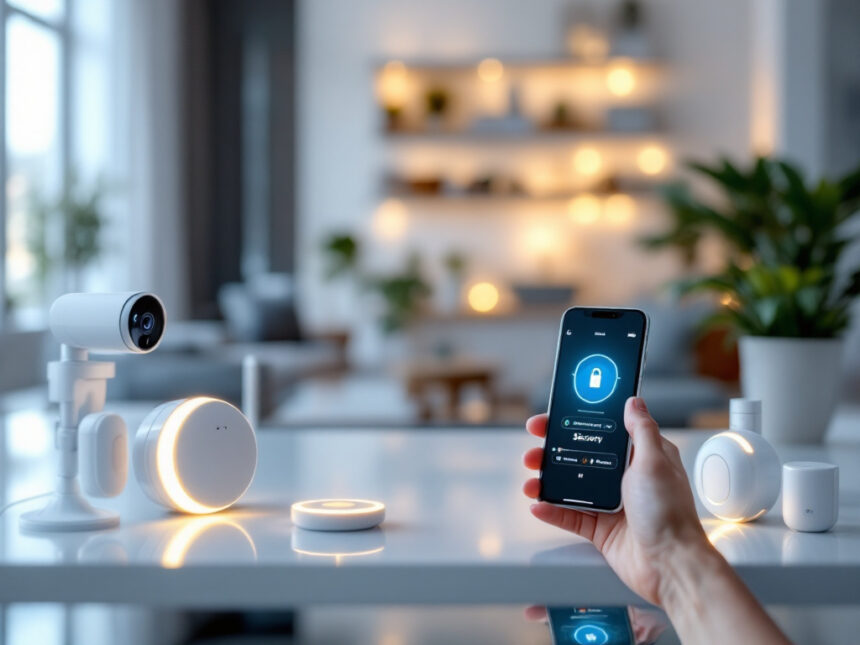
Smart home security benefits go far beyond a few extra cameras and an app on your phone. When your devices work together, they can help prevent break ins, protect your family from fire and water damage, and even save you money on energy and insurance.
In this guide, you will see how a connected security setup can make your home safer, more convenient, and less stressful to manage, whether you own a house, rent an apartment, or are just starting your smart home journey.
Understand why smart home security matters
Homes without any security system are 300 percent more likely to be burglarized. That statistic alone explains why adding smart protection is one of the highest impact upgrades you can make.
With modern smart home security systems, you are not just reacting after something goes wrong. Your devices watch for unusual activity, send instant alerts, and in many cases trigger an automated response. The result is a safety net that works in the background while you live your life.
If you are a renter or in a small apartment, you can still get these smart home security benefits with smart home security for apartments that use peel and stick sensors and wireless hubs instead of drilling and hardwiring.

Deter intruders before they act
Most burglars are looking for easy targets. Visible cameras, smart locks, and responsive lighting signal that your home will not be worth the risk.
Cameras and video doorbells as digital “do not disturb” signs
Smart cameras and a smart home video doorbell are often the first security devices people buy, and for good reason. Smart residential cameras provide 24/7 protection with live streaming, night vision, and motion detection so you can check in at any time through your phone. They also give you recorded footage to share with law enforcement if something happens.
Video doorbells and door locks with built in cameras help prevent package theft, a problem that affects around 29 percent of Americans, by letting you see and talk to delivery drivers and visitors in real time. Some doorbells, like the Vivint Doorbell Camera Pro, use computer vision and Smart Deter technology to recognize when someone is lingering on your porch and play a warning sound to scare them off.

If you are choosing your first camera, a guide to smart security cameras for home can help you compare features like resolution, night vision, and local versus cloud storage.
Smart locks that make your front door smarter
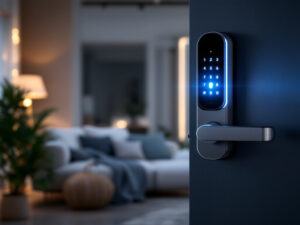
Your front door is a favorite entry point for intruders, so upgrading to smart door locks for home can dramatically improve your security. ACS style smart locks allow you to:
- Lock and unlock remotely from your phone
- Create unique access codes for family, guests, or cleaners
- Get tamper alerts when someone tries to force or pick the lock
Many smart locks now include built in cameras. These let you visually confirm who is at the door, even if they know a passcode, and they record attempted break ins so police have clear evidence later.
Most smart locks run on battery power, which means they still work during a power outage. Even if Wi Fi goes down and you lose app control and live video for a while, the lock continues to function mechanically with a keypad or backup key.
Get faster alerts and smarter responses
One of the biggest smart home security benefits is how quickly you know when something is wrong. Instead of relying on a siren that neighbors might ignore, your system sends a notification straight to the device you actually check every few minutes.
Real time notifications, wherever you are
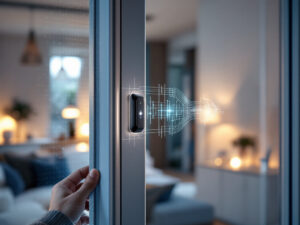
With wireless home security systems, you can place motion detectors, smart window sensors, and smart security sensors around your home without running cables. When they detect movement or a door opening, you get an instant alert on your phone or tablet.
Smart home security systems in Omaha and other cities already combine this real time monitoring with advanced features like AI powered alerts. These systems can tell the difference between a pet walking through the living room and a person at the back door, which helps reduce false alarms and makes you more likely to pay attention when your phone buzzes.
If you want everything under one roof, smart home alarm systems and the best smart alarm systems tie sensors, sirens, and cameras together so you can arm and disarm from a single app.
Intelligent systems that learn your routines
Modern smart home burglary protection does more than notice movement. It uses algorithms to learn what is normal in your home and flag what is not. For example, the system can learn that:
- You move around the kitchen most days at 7 a.m.
- Your dog sleeps on the living room couch at night
- The side door is never opened after 11 p.m.
If motion appears in a sensitive area at an unusual time, the system can send a high priority alert, start recording on surrounding cameras, and even trigger lights or a siren. This kind of intelligent monitoring improves reliability and helps you feel confident that alerts are worth checking.
For an overview of how all these pieces connect, it is worth skimming a guide on smart security system integration and smart home security automation.
Protect more than just your doors
Burglaries are only part of the risk to your home. Fire, water damage, gas leaks, and carbon monoxide can all be life threatening and extremely expensive. One of the most underrated smart home security benefits is how well these systems can monitor non criminal hazards.
Smoke, carbon monoxide, and gas leak alerts
Smart smoke detectors like Nest Protect and First Alert send alerts to your phone when they sense smoke or carbon monoxide. They can also shut down your HVAC system to reduce the spread of smoke through your vents. Since working smoke alarms are linked to a significantly lower risk of dying in a fire, insurers often encourage these devices with premium discounts, as noted by the U.S. Department of Energy and insurance providers that partner with security brands like ADT and SimpliSafe.
Smart CO and gas detectors work in a similar way. You get a notification on your phone, plus audible alarms at home, so you can respond quickly even if you are not in the same room.
Water leaks and flooding
Water damage is one of the most common and costly home insurance claims. Devices like Flo by Moen and Honeywell smart leak detectors can spot small drips before they turn into flooded rooms. Many models can automatically shut off your water supply when they detect a leak.
If you are researching this type of device, you can compare models and placement tips in a dedicated guide to smart water leak detectors.
These added layers of protection are a major reason some insurers offer up to 20 percent discounts for homes with connected smoke detectors, leak sensors, and smart security systems. By reducing the chance of expensive claims, smart tech can directly lower your insurance costs.
Smart home security is not just about stopping burglars. It is about creating a safety net for the whole home environment, from fire and smoke to hidden leaks and gas.
Save time and stress with everyday convenience
A good smart home setup makes it easier to secure your space without adding extra chores to your day. In many ways, convenience is the visible side of deeper security.
Remote control and automation
From a single app on your phone, tablet, or a wall mounted iPad, you can manage cameras, locks, lights, and sensors. Tablets or iPads often serve as central control panels, and wall mounts from companies like Displine keep them accessible and neatly integrated into your living space.
Here is what this looks like in daily life:
- You can lock your doors, close the garage, and arm your alarm from the couch or from the office.
- Your outdoor lights turn on automatically when a camera or motion sensor detects movement at night.
- When you unlock your front door, the hallway lights come on and your thermostat adjusts to a comfortable temperature.
If you are curious about what else you can automate, check out overviews of smart home security features and best smart home security devices.
Safer access for family, guests, and deliveries
Smart door locks paired with doorbell cameras make it easy to let trusted people in without hiding keys or rushing home. You can:
- Assign unique passcodes for kids, relatives, or cleaners
- Create temporary codes for guests or delivery drivers
- Get notifications each time a specific code is used
Some smart locks support up to 30 user passcodes and biometric access like fingerprints. This reduces the risk of keys being copied and saves you the hassle of rekeying locks when someone moves out or a key is lost.
For renters and apartment dwellers, stick on keypads and retrofit locks give you many of these benefits without altering the door, which is why guides on smart home security for renters and smart home security for apartments are worth reviewing before you buy.
Reduce energy use and monthly bills
A connected security system often pulls in smart plugs, lighting, and thermostats. Together, they can quietly trim your utility costs.
The U.S. Department of Energy notes that smart thermostats can reduce heating and cooling costs by up to 10 percent each year, and energy efficient lighting can cut electricity use by as much as 50 percent compared to traditional bulbs. When these devices are integrated into your security routines, you can create scenes such as:
- “Away” mode that turns off lights, adjusts the thermostat, and arms the system
- “Night” mode that locks doors, dims indoor lights, and activates outdoor motion lighting
Since many smart security setups charge between 3 and 20 dollars per month for optional cloud storage or professional monitoring, compared with some traditional providers that charge up to 60 dollars, your energy savings can help offset ongoing subscription fees. In addition, some homeowners see insurance discounts of 5 to 10 percent on premiums, which can mean another 75 to 150 dollars saved each year.
If cost is a concern, look for affordable smart home security, best budget smart home security, or starter smart home security packages that bundle key devices for less.
Keep your system secure and reliable
Any connected device brings up fair questions about privacy, hacking, and reliability. The good news is that a few smart choices greatly reduce your risk.
Security, encryption, and privacy
When you shop, look for systems that clearly describe their smart home security encryption. Features to look for include:
- End to end encryption for video and data in transit
- Two factor authentication for your account
- Regular firmware updates to patch vulnerabilities
You can further protect your setup by following best practices on how to secure smart home devices. This usually includes creating strong, unique passwords, updating devices promptly, and limiting which apps and services can access your cameras and locks.
If you ever have issues, a guide to smart home security troubleshooting and real world smart home security reviews can help you decide whether to fix your current system or consider smart home security upgrades.
Reliability and backup options
Smart home security systems are designed to keep protecting you even when conditions are not ideal. Many hubs include battery backups, and cellular connectivity is often available as an add on so your system can still send alerts if Wi Fi goes down.
Resources on smart home security reliability and top smart home security brands can help you choose equipment that has a strong track record. If you are more hands on, diy smart home security guides walk you through building a dependable system without professional installers.
Simple next steps to get started
You do not need to install everything at once to enjoy smart home security benefits. A practical path is to start with one or two high impact devices and build from there:
- Begin with a smart home video doorbell or a single camera at your main entry.
- Add a smart door lock for secure, keyless entry.
- Layer in smart window sensors and smart security sensors at key points.
- Expand with smart water leak detectors and smart smoke or CO detectors.
- Tie everything together with an integrated smart home alarm system or full smart home security systems.
As you grow your setup, you can reference smart home security tips, compare smart home security packages, and check smart home security faqs when you get stuck.
FAQs about smart home security benefits
1. Are smart home security systems really worth it?
Yes, especially when you consider that homes without security systems are several times more likely to be burglarized. Smart systems combine intrusion protection, hazard detection, and convenience features like remote control and automation, which makes them one of the highest value home upgrades.
2. Can I install smart security if I rent?
You can. Many devices are peel and stick or use existing door hardware, so you do not need to drill into walls or change wiring. Guides on smart home security for renters and smart home security for apartments highlight landlord friendly options.
3. Will my smart security still work if the power or Wi Fi goes out?
Most smart locks operate on internal batteries and still open and close normally during outages. Many hubs and alarms offer battery backup and optional cellular connections so they can keep sending alerts when Wi Fi is down. For details, look into smart home security reliability.
4. Can smart home security help lower my insurance?
In many cases, yes. Insurance companies often offer discounts for homes that have monitored smoke detectors, water leak sensors, and smart security systems because these reduce the risk of expensive claims. Check with your insurer and keep proof of installed devices to maximize potential savings.
5. Where should I start if I feel overwhelmed?
Start small. Choose one device that solves your biggest concern, such as a smart home video doorbell for package theft or a few smart water leak detectors for an older plumbing system. Once you are comfortable, you can explore the best smart home security devices and gradually build a more complete system at your own pace.