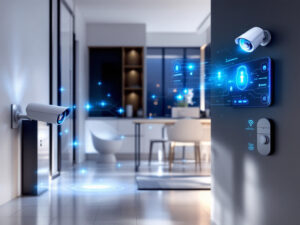
Smart home devices can make your life easier, but they also raise real questions about privacy, hacking, and how secure your Wi‑Fi really is. This smart home security FAQs guide walks you through the essentials so you can enjoy the convenience without feeling like you are opening the door to strangers.
You will see plenty of mentions of smart cameras, locks, and sensors, plus practical tips on how to secure them. If you are still shopping, you can dive deeper into specific gear like smart home security systems, smart door locks for home, and smart security cameras for home as you go.
What is a smart home security system?
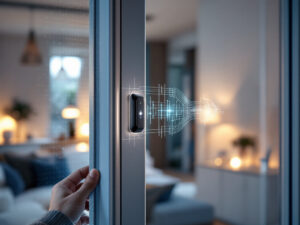
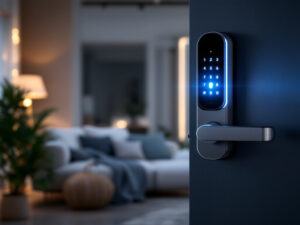
A smart home security system is a network of connected devices that protect your home and can be controlled from your phone, tablet, or a smart speaker. Instead of a simple alarm siren, you get cameras, door and window sensors, motion detectors, smart locks, and often a smart home video doorbell that all talk to each other.
Most smart home security systems connect to Wi‑Fi and support wireless standards like Z‑Wave or Zigbee so they can integrate with other smart devices in your home in 2026, according to current guides on home automation security systems. Many also let you add extras like smart water leak detectors, smart thermostats, and smart security sensors for a more complete setup.
If you want a quick overview of the most useful features across brands, you can skim our breakdown of smart home security features before you buy.

How do smart home security systems work?
Smart systems use your home network to keep everything connected and responsive. Here is the basic flow.
- A device detects something. A door opens, motion is detected, glass breaks, or a camera sees a person at your front door.
- The hub or app processes the event. Your security hub or cloud service decides if that event triggers a notification, a recording, an alarm, or a routine.
- You get an alert. You receive a push notification, text, or phone call and can usually open live video or an event log.
- The system reacts. It can trigger a siren, lock doors, turn on lights, or call professional monitoring if your plan includes it.
Most systems are managed through a mobile app that lets you check cameras, arm or disarm the alarm, and adjust automation rules. Many brands support voice control through Amazon Alexa and Google Assistant so you can arm the system or lock doors hands free. Systems like ADT and Vivint even let you trigger routines, such as turning on multiple lights and arming sensors with a single voice command, as current smart home security reports explain.
If you like to tinker, look into smart security system integration and smart home security automation to create routines like “Away mode” that turn off lights, lock doors, and arm sensors with a tap.
Are smart home security systems safe from hackers?
No device connected to the internet is 100 percent hack proof, but you can make smart home security systems much safer than many people realize.
In 2024, security experts stressed the importance of basic cyber hygiene for smart home security, such as using strong and unique passwords, enabling two factor authentication, and keeping apps and firmware updated, to reduce the risk of incidents like hacked baby monitors and cameras. Those same practices protect your privacy today and dramatically lower your odds of becoming a target.
If you want a simple, practical checklist, our guide on how to secure smart home devices walks you through steps like changing default passwords, securing your router, and limiting who can access your cameras and locks.
What features should you look for in a smart home security system?
When you compare systems, the list of specs can be overwhelming. Focus on features that protect your privacy and make everyday use easier, rather than flashy extras you will rarely touch.
Key features highlighted in SafeHome.org’s 2026 guide to home automation security systems include:
- Remote access through a secure app or web portal
- Smart device integration with popular platforms like Alexa, Google Assistant, and Apple Home
- Compatibility with third party devices using Z‑Wave or Zigbee
- Customizable alerts and automation rules
- Options for local and cloud video storage
From a privacy standpoint, it is smart to look for clear smart home security encryption details in the product documentation so you know how your video, sensor data, and account access are protected.
If you do not want to spend weeks comparing specs, our roundups of the best smart home security devices and top smart home security brands can help you quickly narrow your options.
Do you need professional monitoring, or is self monitoring enough?
Professional monitoring means a trained team watches your alarms 24/7 and can contact emergency services for you. Self monitoring means you receive the alerts and decide what to do next.
Some systems, such as ADT and SimpliSafe, require a monitoring subscription to unlock their full smart home features, while others, like abode, allow device integration and basic automations without mandatory subscriptions, as recent smart home security comparisons explain.
Professional monitoring is usually worth it if:
- You travel often or work long hours
- You want someone else to handle emergency calls
- You live in a single family home with valuable equipment or a higher risk of break ins
Self monitoring can work well if you:
- Are almost always near your phone
- Live in an apartment building with limited control over entry doors
- Want to keep monthly costs low
If you are trying to balance safety with price, compare best budget smart home security options and affordable smart home security bundles so you are not paying for services you never use.
Will smart cameras and doorbells invade your privacy?
Cameras and doorbells are often the most sensitive devices in a smart home because they capture video and audio. They can protect your deliveries and your front door, but they can also feel intrusive if you do not set clear boundaries.
Many smart video doorbells and cameras offer:
- Zone controls to ignore sidewalks or neighbor’s yards
- Privacy shutters or “home modes” that pause recording
- Local storage options so footage does not always go to the cloud
Reddit smart home users often recommend camera setups that prioritize local recording and do not require subscriptions, such as Reolink cameras for use with local hubs and platforms like Home Assistant. If you prefer that approach, look for brands that support SD cards, network video recorders, or direct integration with a local hub.
For an overview of camera options that balance privacy and protection, take a look at smart security cameras for home and smart home video doorbell comparisons.
Tip: Point indoor cameras at entry doors and common areas only. Avoid bedrooms and bathrooms to protect the privacy of family members and guests.
How do renters and apartment dwellers secure their homes?
If you rent, it can feel like you have less control over your security, but you still have strong options that do not require drilling or a landlord’s permission.
For renters and apartment dwellers, you will want:
- Devices that mount with adhesive or sit on shelves
- Wireless systems that do not need hardwiring
- Portable gear you can take with you when you move
Battery powered smart window sensors, peel and stick smart security sensors, and plug in wireless home security systems work especially well in apartments. Systems like SimpliSafe and abode are popular DIY picks since you can install them yourself and remove everything later, as recent home security reviews note.
To go deeper on this, see our dedicated guides to smart home security for apartments and smart home security for renters, which focus on no drill, no contract setups.
How do you troubleshoot common smart home security problems?
Even the best system will occasionally act up. The good news is that many issues have simple fixes you can try before calling support.
CNET’s 2024 troubleshooting guidance recommends several basic steps if cameras or locks are not working:
- Check for app updates, log out and back in, or reinstall the app
- Restart your router, and consider moving it to a more central location or adding a mesh node if devices keep disconnecting
- Power cycle the affected device by unplugging and plugging it back in or removing and replacing its batteries
- Perform a full reboot by turning off the device, closing the app, and restarting your phone, tablet, and router
- Remove the device from the app and add it back to force a fresh setup if connections keep dropping
Keeping firmware up to date is also important. CNET notes that many devices need to download and install updates during setup before certain security features work properly. You will usually find firmware updates in the settings section of your security app.
When you are stuck, check our focused guide on smart home security troubleshooting for symptom based tips, like what to try if a camera disconnects every night or a sensor stops reporting.
How do you choose devices that work together?
Compatibility is one of the most confusing parts of smart home security. You want your locks, cameras, and sensors to play nicely with your main voice assistant and any existing gear you already own.
Recent home security guides suggest starting by:
- Choosing a primary platform like Google Home, Amazon Alexa, or Apple Home
- Checking the security system’s compatibility list for that platform
- Looking for support for open standards like Z‑Wave or Zigbee if you plan to mix brands
In 2026, Google Assistant and Amazon Alexa are still the most commonly supported voice platforms. Apple Home users are often steered toward systems like abode, which integrates with Apple HomeKit, Alexa, Google Assistant, and IFTTT, and supports Z‑Wave and Zigbee devices. Key technologies such as IFTTT and Z‑Wave can help you knit together multi brand setups by creating routines across devices.
Before buying, follow the advice from current smart home compatibility reports and visit the company’s support site to confirm that specific devices work together, or contact the manufacturer directly if the answer is not obvious.
Our roundups of smart home security systems and smart home security packages highlight which ecosystems and third party devices each system supports so you do not end up with isolated gadgets.
Do you have to spend a lot to get good smart home security?
You can start small, then build up as your budget allows. You do not need a full suite of cameras, locks, and sensors on day one.
A sensible starter path is:
- Begin with a core kit or hub that includes a keypad, siren, and a few entry sensors.
- Add one camera or doorbell for visual verification at your primary entry.
- Expand with extra sensors, smart locks, or smart water leak detectors as needed.
If you want help stacking value without overspending, explore best budget smart home security, affordable smart home security, or diy smart home security kits that let you install everything yourself.
Over time, our guides to smart home security upgrades and smart home security benefits can help you decide whether it is worth adding advanced features like AI object detection or professional monitoring subscriptions.
Quick FAQ recap: 5 common questions
Below are five targeted smart home security FAQs so you can scan for quick answers.
1. What are the most important smart home security FAQs for beginners?
If you are new to smart home security, start with these questions.
- What devices do you actually need right now
- How will they connect to your Wi‑Fi or hub
- Which privacy settings and passwords should you change on day one
Our beginner friendly smart home security tips guide walks you through this in more detail.
2. Which smart home security devices should you buy first?
Most people get the best immediate protection from:
- A video doorbell at your main entrance
- A few door and window sensors
- At least one indoor camera for key entry points
You can compare popular picks in our smart home security reviews and best smart alarm systems roundups.
3. How do you keep kids and guests from changing settings?
Use app features like user roles and guest access when available. Many systems let you create PIN codes or app profiles that can arm and disarm the system without giving full admin rights. Also, review your automations regularly and disable ones you no longer use, as the 2024 smart home guidelines recommend, to limit accidental or confusing behavior.
4. How often should you review your smart home security?
At least twice a year, and any time you add or remove a major device. Security experts advise periodic smart home security assessments to ensure your family is protected and to catch unnoticed issues. Use that time to:
- Change Wi‑Fi and account passwords
- Check app and firmware updates
- Test alarms, locks, and sensors
5. What if something in your smart home acts strangely?
If a light turns on by itself or a camera moves unexpectedly, do not ignore it. Recent guidelines recommend investigating unexpected device activity, reviewing your automations, changing passwords, and checking access logs if available. If the issue persists, treat it like a potential security incident and work through our how to secure smart home devices and smart home security troubleshooting checklists.
With a few smart choices and regular checkups, you can enjoy the convenience of a connected home without sacrificing your privacy. Use these smart home security FAQs as a reference as you plan, install, and maintain your system, and add safeguards at the pace that feels right for you.
FAQs
What is a smart home security system?
A network of connected devices (cameras, sensors, locks, alarms) you control via an app—often with automation and optional monitoring. Stronger systems document security capabilities and update support, which matters long-term.
How do smart home security systems work?
Sensors detect events → hub/app/cloud processes → you get alerts → system reacts (record, alarm, lock, lights, monitoring call). Reliability improves when devices have stable connectivity and regular updates.
Are smart home security systems safe from hackers?
No internet device is perfect, but you can make attacks much harder: unique passwords, MFA, frequent updates, and limiting who has admin access.
What features should I look for (privacy-first)?
Look for: encryption details, MFA support, frequent firmware updates, clear support end dates, role-based access, and options for local storage or privacy modes.
Do I need professional monitoring?
Choose pro monitoring if you travel, can’t respond fast, or want someone else to handle emergency calls. Choose self monitoring if you’re always near your phone and want lower monthly costs.
Will smart cameras and doorbells invade privacy?
They can—unless you configure zones, privacy modes, and sensible placement. Avoid bedrooms/bathrooms, and consider local recording where possible.
How can renters secure an apartment without drilling?
Use peel-and-stick sensors, battery cameras, door wedges/alarms, and portable hubs. Prioritize devices you can remove and reuse.
What’s the fastest way to troubleshoot disconnecting devices?
Update the app/firmware, reboot router, power-cycle the device, check signal (or add mesh), then remove/re-add the device if pairing keeps failing.
How do I choose devices that work together?
Pick one “home brain” (Google Home / Alexa / Apple Home / Home Assistant) and verify compatibility lists + standards (Z-Wave/Zigbee/Matter) before purchasing.